
Legal and commercial handoffs fail earlier than creative taste debates. A Free-tier export that still carries a watermark can land in a client deck, a court exhibit annex, or a partner microsite before anyone notices the mark. At that point the argument is no longer about camera path. It is about whether the desk disclosed commercial rights and export status before a Seedance 2.0 API keep left the building.SeeAPI’s published plans draw a bright line: Free exploration includes watermarked exports, while paid tiers advertise HD watermark-free exports, private generations, and commercial usage. The useful claim for counsel-facing teams is procedural: treat watermark and commercial flags as release gates, not as footnotes after the motion looks good.
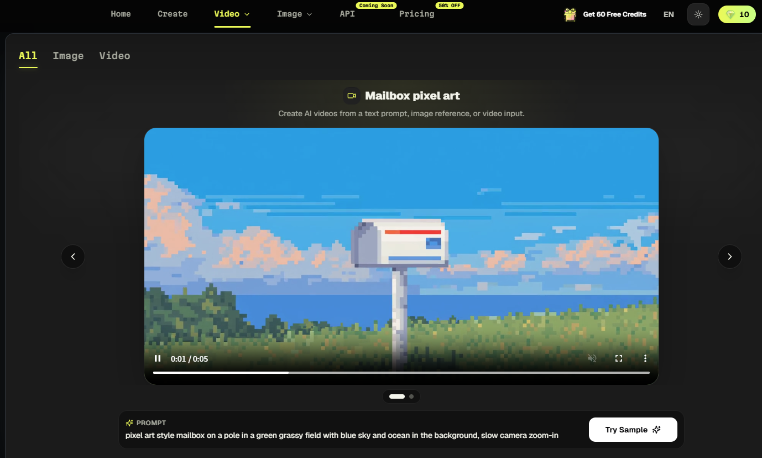
How A Pretty Clip Becomes A Disclosure Problem
Motion desks optimize for identity and tempo. Counsel and procurement optimize for license language, watermark status, and whether the file may appear in paid media. When those reviews happen in different weeks, the watermarked file often travels first because it is the only file ready. Removing the mark later does not erase the copies already emailed.Indian content and education teams see a parallel failure in slide decks: a teaching clip enters a client workshop PDF, then the PDF is forwarded. If the export was never cleared for commercial usage, the repair is a legal conversation, not a regenerate button. The generator did its job. The handoff protocol did not.In our desk pipeline, the first warning sign often arrives in a forwarded email thread: the motion looks publishable while the corner watermark still reads draft. A partner opens the file on a tablet, sees the mark, and asks whether the team ever had clearance. At that moment the face stability no longer matters. The disclosure failure already traveled.Observable damage shows up fast when label text in the clip becomes unreadable under compression but the watermark stays crisp. Counsel is not grading cinematic light. They are grading whether the file on the slide matches the plan tier named in the email thread.
Map Free Watermarks Against Paid Commercial Gates
The Free plan lists trial credits and watermarked exports. Paid plans such as Starter, Pro, and Studio advertise HD watermark-free exports and commercial usage among other capacity differences. Credits never expire and stack into one balance, which helps long matters, but permanence of credits is not the same as clearance to publish. A permanent watermarked file is still a watermarked file.
| Gate | Free exploration | Paid commercial path | Release question |
|---|---|---|---|
| Watermark | Expected on exports | HD watermark-free claimed | May this file leave the draft folder? |
| Commercial usage | Not the Free promise | Listed on paid tiers | May this file enter paid media? |
| Account story | Try Seedance online | Same account balance | Who owns the spend log? |
| API status | Online keep only | Production endpoint TBD | Is this a demo or a product claim? |
Put the table in the matter checklist before anyone schedules Seedance generations for client-facing work. Identity review can continue in parallel. Release review cannot wait until the night before delivery.When a matter spans weeks, credit ledger clarity matters as much as the watermark check. A team that burns trial credits on exploratory motion and then forwards the best-looking watermarked export has spent real budget on a file that still fails release. The rework cost is not another render. It is upgrade, regenerate, and rewrite the disclosure note before anyone resends the deck.
When The Watermark Passes But The Crop Fails
Release review should scrub the actual delivery crop, not only the full export frame. A paid clear can still ship a warped client logo or unreadable caption text in the corner the deck actually uses. That visual fail is separate from the watermark gate, but both block publish.
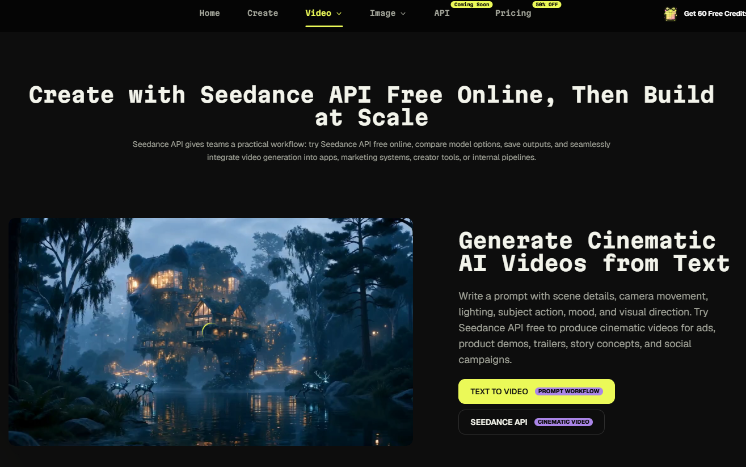
A Disclosure Note That Survives Forwarded Email
Write one line into the file package: plan tier, watermark status, commercial flag, and the person who may reverse the decision. Attach the identity still and the keep clip. If the clip was made during the Seedance 2.5 Launch Reward window, note eligible Seedance 2 spend separately; the 1:1 permanent credit return is account value, not a license upgrade by itself.
- Confirm the account plan covers watermark-free and commercial needs for this matter.
- Generate the Seedance keep only after the still and brief pass identity review.
- Export and scrub for watermark on the actual delivery crop.
- Store the disclosure line with the file before any external send.
The wider SeeAPI account can hold other model work on the same balance. That convenience increases the need for labels. A Seedance draft and an unrelated image draft should not share a vague “AI folder” name when counsel asks which file was cleared.Open the export on the delivery device before attach. If motion warps a client logo or invents a second figure in the background, the clip fails identity review even when the watermark is gone. Release gates stack: commercial clearance first, then visual fidelity, then motion polish.
Label The Draft Before It Leaves Draft Folder
Even internal forwards teach habits. Mark Free-tier exports with watermark status in the filename so a well-meaning teammate cannot attach them to a client thread. The label is cheaper than the rework loop after a partner spots the mark live.
Where The Gate Still Needs Human Judgment
Plan language does not replace matter-specific advice. Some deliverables need client contract language beyond a SaaS commercial toggle. Public API access remains coming soon, so do not promise a production endpoint date in a statement of work. Multi-shot Seedance 2.5 claims belong in future briefs, not in today’s client file unless the live desk path actually supports them.These limits still need counsel on edge cases: co-branded decks, court exhibits with chain-of-custody rules, and partner microsites that treat any AI mark as a reputational hit. The checklist catches common failures; it does not replace a matter owner who can say no to a pretty watermarked clip.
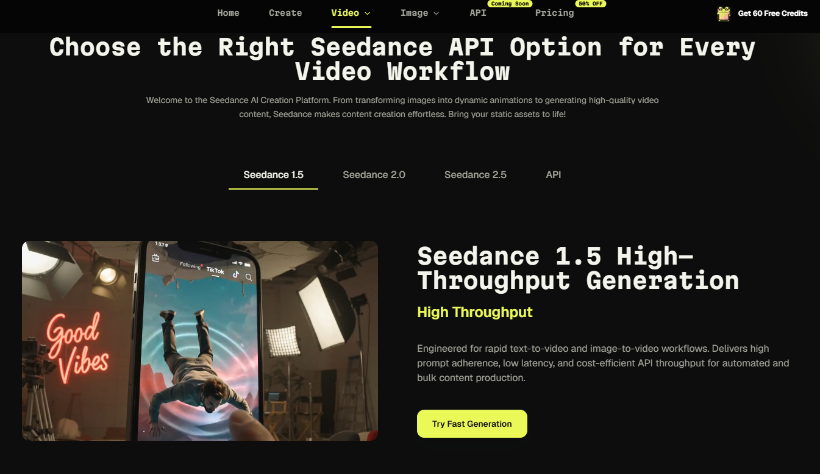
Use This Gate For Client Files Skip It For Private Sketches
Use the watermark and commercial checklist whenever a Seedance clip may leave the team. Skip the heavier counsel loop for private sketches that never exit the draft folder, but still mark those files so nobody “helpfully” attaches them to a client email. SeeAPI makes Seedance easy to try; the desk still has to say which tries are allowed to travel.If the only ready export shows a watermark, the honest options are upgrade and regenerate, or send a clearly labeled draft with written permission. Silence is how pretty clips become disclosure problems.When a client asks for chain-of-custody language, the generator metadata is rarely enough. Attach the still, the brief, the plan tier, and the person who approved send. SeeAPI account logs help reconstruct spend; they do not replace a human name on the release note.SeeAPI makes the online try path fast; the desk still owns the slow part—deciding which binary may travel. Speed without a gate is how pretty clips become forwarded problems.




의견을 남겨주세요