
Hello, ladies and gentlemen. I'm the "Environmental Bank" with all the worldwide environmental issues. Today, we’ll take a closer look at the topic "How social animals can spread diseases".
안녕하세요. 환경 관련 이슈들을 모두 보유하고 있는 "환경뱅크"입니다. 오늘은 "사회적 동물들이 질병을 퍼뜨리는 방법"에 대한 주제에 대해서 자세히 알아봅시다.
What is the issue?
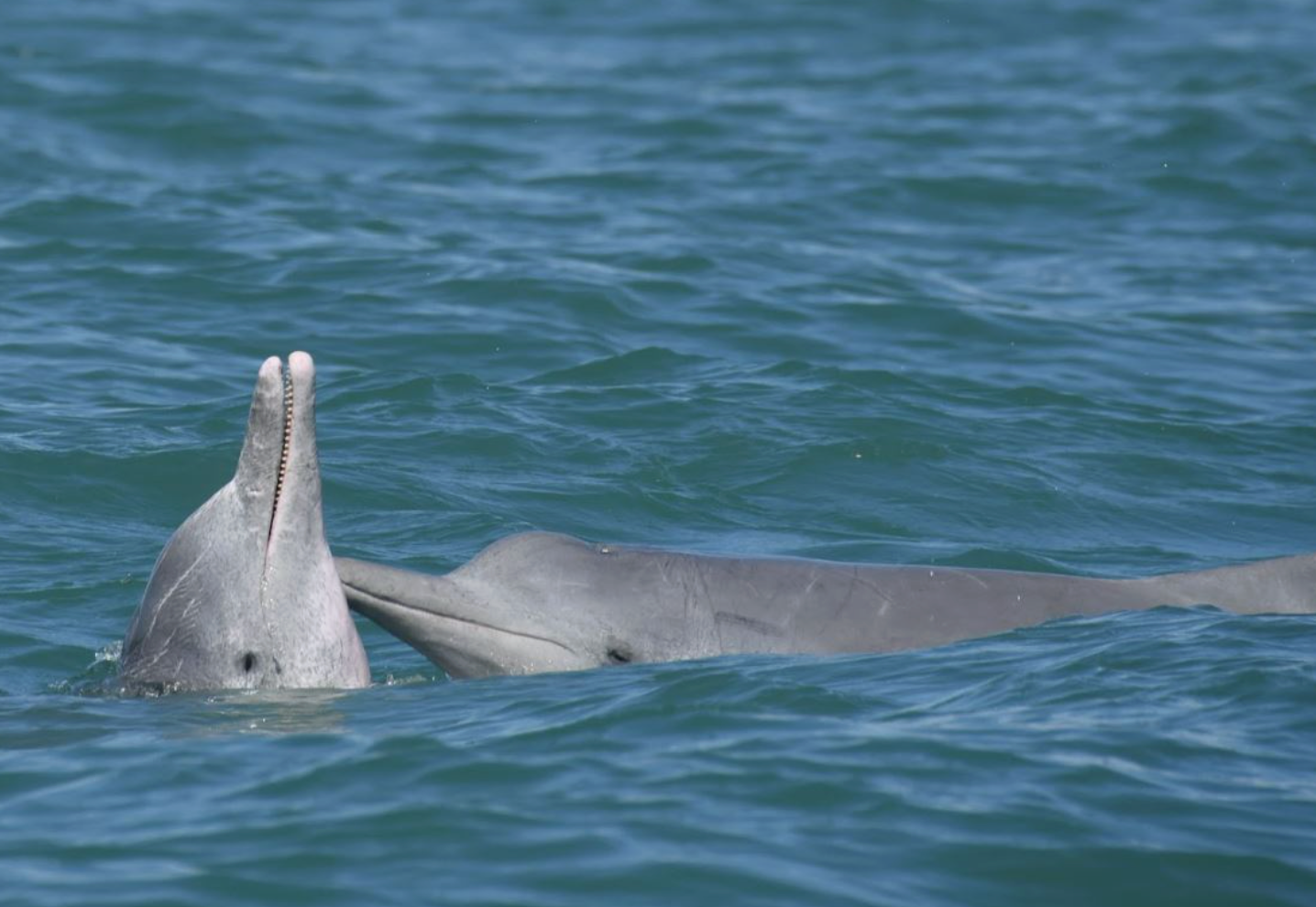
Whales, dolphins, seals, and other marine mammals are highly social animals.However, this strong sociality can also become a pathway for infectious diseases to spread rapidly through populations.
At a time when these animals are already under stress from climate change, marine pollution, and human activities, disease poses a particularly serious and even fatal threat to endangered species.
문제는 무엇인가요?
고래, 돌고래, 물개 같은 해양 포유류는 매우 사회적인 동물입니다. 하지만 이 강한 사회성이 오히려 전염병이 빠르게 퍼질 수 있는 통로가 되고 있습니다.
특히 기후 변화, 해양 오염, 인간 활동으로 이미 스트레스를 받고 있는 상황에서 질병은 멸종 위기 종에게 치명적인 위협이 됩니다.
Why is disease a serious threat to marine mammals?
Disease is one of the leading causes of death in marine vertebrates, alongside major pressures such as:
- Fisheries interactions
- Pollution
- Habitat degradation
- Climate change
These environmental stressors weaken immune systems, making marine mammals more vulnerable to infection and less able to recover once disease spreads.
질병이 왜 이렇게 위험한가요?
질병은 해양 척추동물 사망 원인 중 하나로,
- 어업 활동
- 오염
- 서식지 파괴
- 기후변화 와 함께 가장 큰 위협 요인으로 꼽힙니다.
이런 환경적 스트레스는 생물들의 면역 체계를 약화시켜 감염에 더 쉽게 노출되게 만듭니다.
How do marine mammals spread diseases?
According to research, diseases in marine mammals can be transmitted through several pathways, including:
- Direct physical contact
- Airborne or respiratory transmission
- Bites or open wounds
- Sexual contact
A wide range of pathogens are involved, including viruses, bacteria, fungi, and protozoa. Documented diseases include morbillivirus, influenza, brucellosis, and others.
해당 포유류는 어떻게 질병을 퍼뜨리나요?
연구에 따르면 해양 포유류의 질병은 다음과 같은 방식으로 전파됩니다:
- 직접적인 접촉
- 호흡기, 공기를 통한 전파
- 물림이나 상처
- 성적 접촉
바이러스, 박테리아, 곰팡이, 원생동물 등 다양한 병원체가 포함되며모빌리바이러스, 인플루엔자, 브루셀라증 등도 확인되었습니다.
What role does social behavior play?
Like humans, marine mammals form complex social networks.The problem is that diseases can travel through these networks just as easily as social interactions do.
Researchers found that the risk of disease transmission varies greatly depending on:
- whether social relationships are stable or long-term,
- how fluid or dynamic group structures are, and
- how frequently individuals interact with other groups or species.
사회적 행동은 어떤 역할을 하나요?
해양 포유류도 인간처럼 사회적 네트워크를 가지고 있습니다.문제는 이 네트워크를 통해 질병도 함께 이동한다는 점입니다.
연구진은 종마다
- 관계가 고정적인지
- 유동적인지
다른 종과 얼마나 자주 섞이는지 에 따라 질병 확산 위험이 크게 달라진다는 점을 밝혔습니다.
Who are the “super-spreaders”?
Individuals with many social connections, those that interact frequently with multiple groups, can act as “super-spreaders.”
For example, in dolphin communities, individuals with stronger or more frequent social bonds were more likely to be associated with disease. In some cases, just one highly connected individual can trigger rapid spread across an entire population.
‘슈퍼 전파자’는 누구인가요?
사회적 연결이 많은 개체, 즉 여러 무리와 자주 상호작용하는 개체는 ‘슈퍼 전파자(super-spreader)’ 역할을 할 수 있습니다.
예를 들어,
돌고래 무리에서는 사회적 유대가 강한 개체일수록 질병과 연관될 가능성이 더 높았습니다.
또, 이런 개체 한 마리로도 감염이 순식간에 퍼질 수 있습니다.
Why is this hard to manage in the ocean?
Unlike on land, the ocean makes disease management extremely challenging:
- Not all interactions can be observed
- Sick individuals cannot easily be isolated
- Early intervention is often impossible
As a result, once disease becomes widespread, treatment options are very limited. This makes prevention far more important than cure.
왜 바다에서는 관리가 더 어려울까요?
육상 동물과 달리 바다에서는
- 모든 접촉을 관찰하기 어렵고
- 아픈 개체를 격리하기도 거의 불가능하며
- 질병 초기 개입이 매우 어렵습니다.
즉, 질병이 퍼진 뒤에는 치료보다 예방이 훨씬 중요합니다.
What can scientists do moving forward?
Researchers emphasize several key strategies:
- Closely monitoring socially central individuals
- Protecting habitats that support stable social structures
- Prioritizing early detection and prevention-focused management
By understanding social relationships within marine mammal populations, scientists can better predict disease risks before outbreaks occur.
앞으로 우리는 무엇을 할 수 있을까요?
연구진은 다음을 강조합니다:
- 사회적으로 중심에 있는 개체를 집중 모니터링
- 안정적인 사회 구조를 유지할 수 있는 서식지 보호
- 조기 탐지와 예방 중심 관리
사회적 관계를 이해하면 질병이 퍼지기 이전 단계에서 위험을 예측할 수 있습니다.
Wrap up
Right after I saw the title, I could just expect the "mechanism" of how social animals spread the disease: as they always stay close to each other, they would spread the disease through “physical contact”. So, most of the parts were pretty understandable to me, as the contents most likely were aligned to what I initially expected. However, for “What can scientists do moving forward?” part, I thought that monitoring all social animals is realistically impossible. So, I came up with another idea that might be helpful for preventing diseases over species: environmental surveillance. Through environmental surveillance, we can track pathogens by analyzing environmental DNA (eDNA) in seawater.
마무리
제목을 보자마자 사회적 동물들이 어떻게 질병을 퍼뜨리는지에 대한 ‘메커니즘’을 어느 정도 예상할 수 있었다. 서로 가까이 지내는 시간이 많기 때문에, 주로 신체적 접촉을 통해 질병이 확산될 것이라고 생각했기 때문이다. 실제로 글의 내용 대부분은 내가 예상한 내용들과 크게 다르지 않아 비교적 이해하기 쉬웠다.
하지만 ‘앞으로 과학자들은 무엇을 할 수 있을까?’라는 부분에 이르러서는, 모든 사회적 동물을 모니터링하는 것이 현실적으로 가능할지에 대해 의문이 들었다. 이에 따라 나는 종을 넘나드는 질병 확산을 예방하는 데 도움이 될 수 있는 또 다른 대안으로 “환경 기반 감시(environmental surveillance)”를 떠올리게 되었다. 환경 기반 감시를 통해 바닷물 속 환경 DNA(eDNA)를 분석하면, 개체를 직접 추적하지 않고도 병원체의 존재를 파악할 수 있다.



의견을 남겨주세요