
Hello, ladies and gentlemen. I'm the "Environmental Bank" with all the worldwide environmental issues. Today, we’ll take a closer look at the topic "Ticking Time Bomb: Tick Encounters Among Northeastern U.S. Farmers".
안녕하세요. 환경 관련 이슈들을 모두 보유하고 있는 "환경뱅크"입니다. 오늘은 "시한폭탄이 된 진드기 문제: 미국 북동부 농부들이 겪는 현실"에 대한 주제에 대해서 자세히 알아봅시다.
What is the issue?
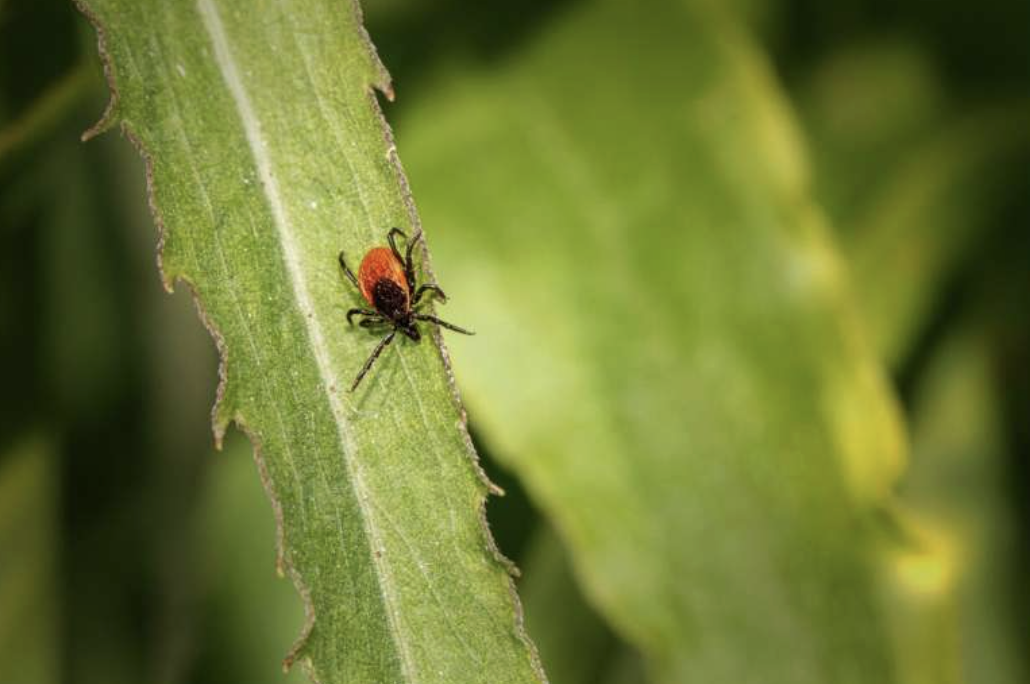
Farmers and outdoor workers in the northeastern United States are facing a rapidly escalating threat from ticks and tick-borne diseases. According to recent research led by Binghamton University, some farmers reported encountering ticks at alarming rates, up to 70 encounters within a 6 months period. This level of exposure significantly increases the risk of serious illnesses such as Lyme disease and other tick-borne infections, growing concern for both personal health and agricultural livelihoods.
무엇이 문제인가?
미국 북동부 지역의 농부들과 야외 노동자들은 진드기와 진드기 매개 질병으로 인한 위협이 빠르게 커지고 있는 상황에 놓여 있다. 빙엄턴대학교가 주도한 최근 연구에 따르면, 일부 농부들은 6개월 동안 최대 70번이나 진드기를 마주쳤다고 보고했다. 이처럼 잦은 노출은 라임병을 비롯한 심각한 감염 질환의 위험을 크게 높이며, 개인의 건강뿐 아니라 농업 생계 전반에 대한 우려로 이어지고 있다.
Who is most affected?
The research pinpoints farmers and outdoor agricultural workers as particularly vulnerable. Since their work requires long hours outdoor, often in environments ideal for ticks such as fields, grasslands, and wooded edges, they experience far greater exposure than the general population. In this study, participants represented 46 farms in southern Vermont, a region with high Lyme disease incidence and abundant tick habitats.
누가 가장 큰 영향을 받는가?
연구는 농부와 농업 분야 야외 노동자를 가장 취약한 집단으로 지목한다. 이들은 밭, 초지, 숲 가장자리 등 진드기가 서식하기에 이상적인 환경에서 장시간 일해야 하기 때문에 일반인보다 훨씬 더 많이 노출된다. 이번 연구는 라임병 발생률이 높고 진드기 서식지가 풍부한 버몬트주 남부의 46개 농장을 대상으로 진행되었다.
Why did this happen?
Ticks and tick-borne diseases have changed dramatically since the early 1990s. As Mandy Roome, associate director of the Tick-borne Disease Center at Binghamton University, explains, the risks farmers face today are very different from those of previous decades. Despite this shift, relatively little research has focused on outdoor workers in the Northeast, leaving a gap in prevention strategies tailored to those most at risk.
왜 이런 문제가 발생했을까?
1990년대 초반 이후 진드기와 진드기 매개 질병의 양상은 크게 변화했다. 빙엄턴대학교 진드기 매개 질병 센터의 부소장 맨디 룸은 오늘날 농부들이 마주하는 위험이 과거와는 전혀 다르다고 설명한다. 그러나 이러한 변화에도 불구하고, 북동부 지역의 야외 노동자를 대상으로 한 연구는 여전히 부족해, 고위험 집단에 맞춘 예방 전략에 공백이 존재한다.
What did the research find?
The survey of 53 farm workers revealed several concerning findings:
- 12% of respondents had been diagnosed with a tick-borne disease at some point
- Participants reported an average of three tick encounters over the previous 6 months
- Some individuals experienced as many as 70 encounters in that same period
- There was a marginal link between grazing livestock and increased tick sightings
- One farmer contracted Lyme carditis, a severe heart infection that required open-heart surgery
These results show that tick exposure is not only frequent but potentially debilitating.
연구 결과는 무엇을 보여주었나?
53명의 농업 종사자를 대상으로 한 설문조사에서는 다음과 같은 결과가 나타났다.
- 응답자의 12%가 진드기 매개 질병 진단 경험이 있음
- 지난 6개월 동안 평균 3회의 진드기 접촉을 보고
- 일부는 같은 기간 동안 최대 70회의 접촉을 경험
- 가축 방목과 진드기 목격 증가 사이에 약한 연관성 존재
- 한 농부는 심각한 심장 감염인 라임 심장염에 걸려 개흉 수술을 받음
이 결과들은 진드기 노출이 단순히 빈번할 뿐 아니라, 삶의 기능을 크게 떨어뜨릴 수 있는 수준임을 보여준다.
Why is this especially dangerous for farmers?
For farmers, illness does not only affect individual health; it can threaten an entire operation. Tick-borne diseases can be debilitating, making it impossible to perform physically demanding farm work. As Roome notes, when a farmer cannot work, the consequences move across the whole farm, affecting productivity, income, and long-term stability.
What solutions are being explored?
Rather than recommending avoidance of tick habitats, which is unrealistic for outdoor workers, the research team is testing environmental interventions. One approach involves tick control tubes, designed to kill ticks on mice, the primary reservoir for pathogens that spread to humans. The goal is to identify solutions that are effective, practical, and easy for farmers to implement.
어떤 해결책이 모색되고 있는가?
야외 노동자에게 현실적이지 않은 ‘진드기 서식지 회피’ 대신, 연구진은 환경적 개입 방식을 시험하고 있다. 그중 하나가 쥐에 붙은 진드기를 제거하는 진드기 방제 튜브로, 쥐는 인간에게 병원체를 전파하는 주요 매개체다. 연구의 목표는 농부들이 쉽고 실용적으로 적용할 수 있는 효과적인 해결책을 찾는 것이다.
Wrap-up
I initially thought tick encounters were a minor inconvenience that could be dealt with simple precautions. However, learning that some northeastern U.S. farmers experienced up to 70 tick encounters in just six months was so shocking. It made me realize that for farmers, tick exposure is a persistent and potentially debilitating threat that can affect not only individual health but also the stability of an entire farm. This research highlights the need for practical, systemic prevention strategies that reflect the realities of outdoor work.
마무리
나는 처음에는 진드기 접촉을 긴 옷을 입거나 기피제를 사용하는 정도로 해결할 수 있는 사소한 불편함이라고 생각했다. 그러나 일부 북동부 지역 농부들이 단 6개월 만에 최대 70번이나 진드기를 마주쳤다는 사실은 큰 충격이었다. 이를 통해 진드기 노출이 농부들에게 단순한 불편이 아니라, 개인의 건강은 물론 농장 전체의 안정성까지 위협할 수 있는 지속적이고 심각한 문제라는 점을 깨닫게 되었다. 이 연구는 야외 노동의 현실을 반영한 실질적이고 구조적인 예방 전략의 필요성을 분명히 보여준다.



의견을 남겨주세요