
Hello, ladies and gentlemen. I'm the "Environmental Bank" with all the worldwide environmental issues. Today, we’ll take a closer look at the topic "How does our brain learn?"
What are the findings?
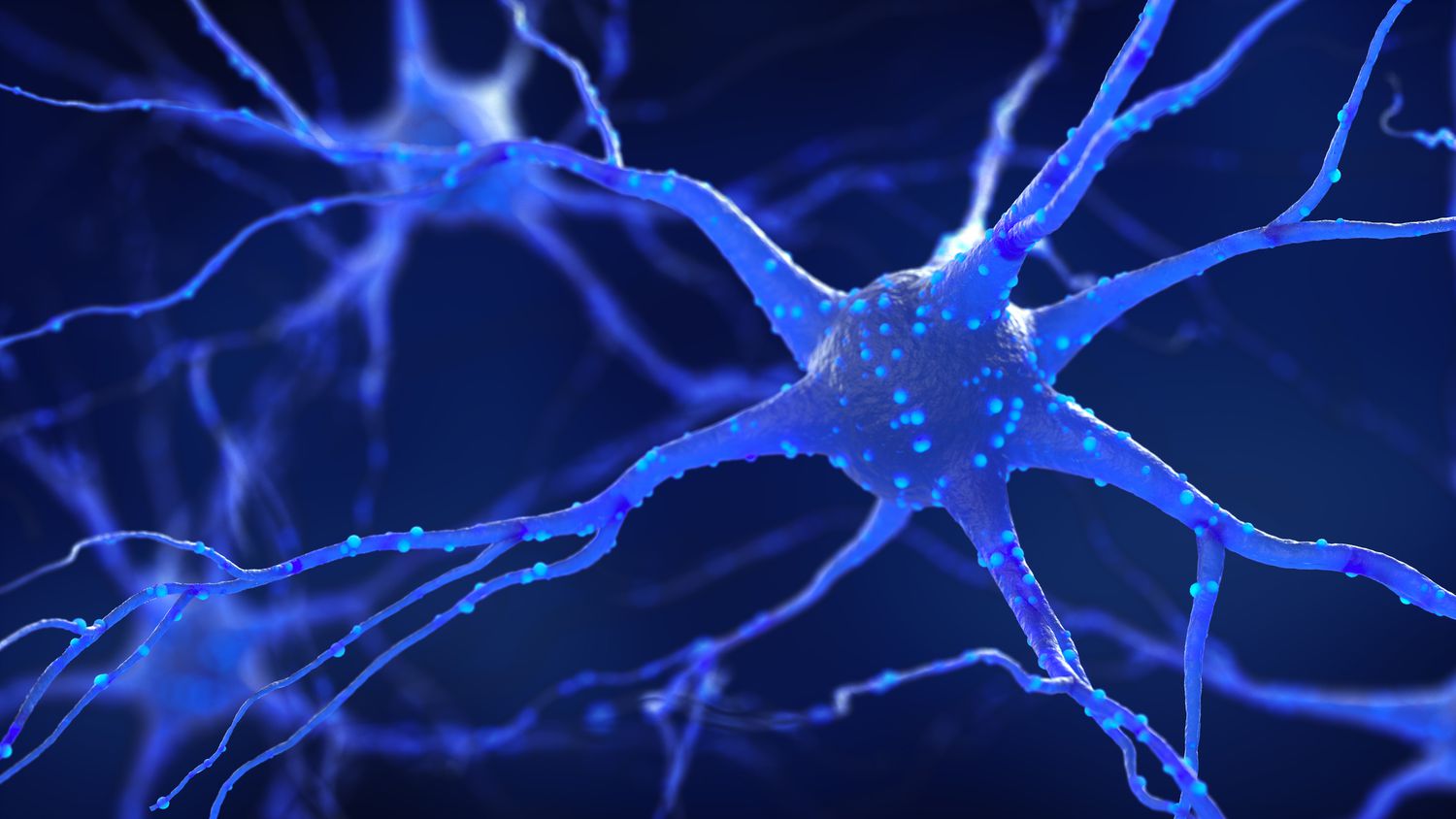
The main finding of the research is that neurons simultaneously follow multiple rules, rather than following just one rule during the learning process. Previously, the researchers believed that the neurons follow the same rule, and synaptic plasticity occurs. However, this research found that there are neurons that follow different rules in each different part of the brain.
What role do synapses play in the brain’s learning ability, and how do they change during learning?
Synapses are the connection points between the neurons, playing a crucial role in communication within the brain. During the learning process, new information enters the brain, and specific synapses are strengthened while others are weakened. These changes are referred to as “synaptic plasticity”, which enables the brain to adapt to new information and store it.
What is synaptic plasticity?
Synaptic plasticity is the ability of synapses to change their strength. When new information enters the brain, some synapses strengthen while others weaken. This process is fundamental to learning and memory, allowing the brain to store new information and adapt to changing environments.
Ultimately, how do our brains adapt to new information during the learning process?
When the brain accepts new information, it adapts through synaptic plasticity. This involves the strengthening or weakening of synaptic connections, which allows new behaviors or information to be encoded into long-term memory. The brain circuits undergo these changes constantly during the learning process, which ultimately determines how new information is processed and stored.
What are the potential implications of this research for treating brain-related diseases, such as Alzheimer's or autism?
This research can provide new approaches for treating brain-related diseases such as Alzheimer’s disease, autism, addiction, and post-traumatic stress disorder. By enhancing the understanding of synaptic plasticity, we can better comprehend how these diseases affect synaptic function, which could lead to the development of treatments aimed at restoring or regulating synaptic function.
Wrap-up
Our neuron system simply does not follow just one command but conforms to multiple rules, and while the result itself was somewhat predictable, the fact that this has a connection point with AI systems was a bit intriguing. The idea that the operation system of an AI system could be designed through our brain’s neuron system is fascinating.



의견을 남겨주세요