
Hello, ladies and gentlemen. I'm the "Environmental Bank" with all the worldwide environmental issues. Today, we’ll take a closer look at the topic "Rethinking Stormwater: From Waste to Resource in California"
안녕하세요. 환경 관련 이슈들을 모두 보유하고 있는 "환경뱅크"입니다. 오늘은 "빗물을 다시 생각하다, 폐기물’에서 ‘자원’으로"에 대한 주제에 대해서 자세히 알아봅시다.
What is the issue?
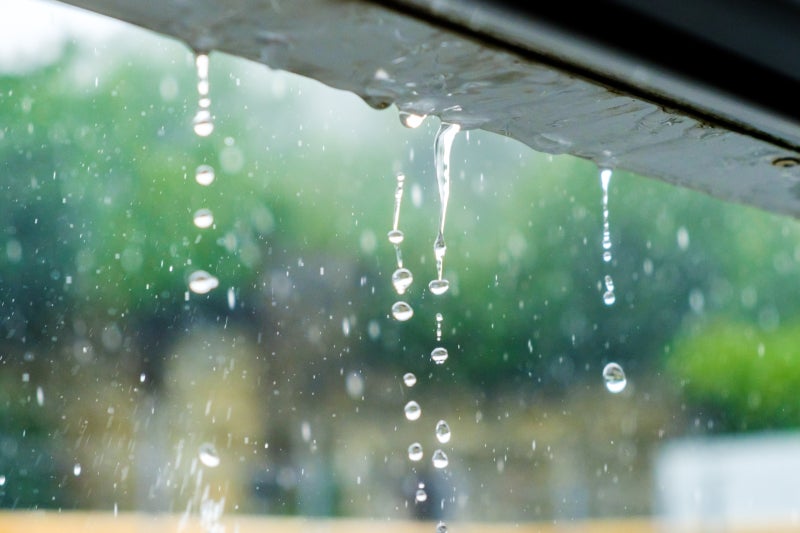
California faces a paradox: despite recurring droughts and growing water scarcity, vast amounts of stormwater, rainfall runoff from urban surfaces, are largely wasted.
Instead of being captured and reused, stormwater is often diverted into drainage systems and discharged into the ocean. This represents a missed opportunity to supplement water supplies in a climate-stressed region.
무엇이 문제인가?
캘리포니아는 아이러니한 상황에 놓여 있다. 반복되는 가뭄과 심각해지는 물 부족 문제 속에서도, 도시에서 발생하는 빗물은 대부분 제대로 활용되지 못한 채 버려지고 있기 때문이다.
이 빗물은 저장되거나 재사용되기보다는 배수 시스템을 통해 바다로 흘러가며, 이는 기후 변화로 압박받는 지역에서 활용 가능한 수자원을 놓치는 결과로 이어진다.
What is the background of the research?
A recent project led by researchers at UCLA Institute of the Environment and Sustainability, in collaboration with the Natural Resources Defense Council (NRDC), examines how stormwater can be more effectively captured and utilized for infiltration and irrigation across California.
Currently, stormwater management is highly fragmented:
- California is divided into nine regional water boards
- Each region operates under different regulations
- Some areas, like Los Angeles County, impose extremely strict standards
- Others lack clear regulatory frameworks altogether
This inconsistency has significantly limited the practical use of stormwater.
이 연구의 배경은 무엇인가?
UCLA Institute of the Environment and Sustainability 연구진이 Natural Resources Defense Council와 협력하여 수행한 최근 연구는, 캘리포니아 전역에서 빗물을 보다 효과적으로 포집하고 침투 및 관개에 활용할 수 있는 방안을 탐구한다.
현재 빗물 관리는 매우 분리되어 있다.
- 캘리포니아는 9개의 지역 수자원 위원회로 나뉘어 있고
- 각 지역마다 서로 다른 규제를 적용하며
- 로스앤젤레스 카운티처럼 매우 엄격한 기준을 적용하는 곳도 있는 반면
- 아예 명확한 규제가 없는 지역도 존재한다
이러한 불균형은 빗물의 실제 활용을 크게 제한하고 있다.
What is the guiding question?
The project is guided by a key question: How can stormwater be effectively utilized while ensuring safe and consistent regulatory standards across California?
To address this, the research team combined policy analysis, expert consultation (including EPA and regional agencies), and case study evaluations.
연구의 핵심 질문은 무엇인가?
이 연구는 다음과 같은 질문을 중심으로 진행되었다.
어떻게 하면 안전하고 일관된 규제 기준을 유지하면서도 빗물을 효과적으로 활용할 수 있을까?
이를 위해 연구팀은 정책 분석, 전문가 자문(EPA 및 지역 기관 포함), 그리고 사례 연구를 종합적으로 수행하였다.
What are key findings and challenges?
The study identifies several critical barriers to stormwater utilization:
- Regulatory inconsistency
- Overly strict local policies
- Public perception issues
- Lack of monitoring data (major gap)
This final point highlights a significant knowledge gap that must be addressed for future policy development.
주요 발견과 문제는 무엇인가?
연구는 빗물 활용을 가로막는 몇 가지 핵심적인 문제를 밝혀냈다.
- 규제의 불일치
- 과도하게 엄격한 지역 규제
- 대중 인식 문제
- 모니터링 데이터의 부재
이 마지막 지점은 향후 정책 수립에서 반드시 해결되어야 할 문제들을 보여준다.
What are policy and legislative responses?
To tackle these challenges, the research contributed to the development of AB 638, a proposed California bill aimed at standardizing stormwater regulations statewide.
The legislation focuses on:
- Creating consistent guidelines for stormwater reuse
- Supporting both urban irrigation and groundwater recharge
- Aligning regional practices under a unified framework
Importantly, AB 638 has already passed the Assembly and is progressing through the Senate, marking a major step toward implementation.
정책 및 입법적 대응은 무엇인가?
이러한 문제를 해결하기 위해 연구는 AB 638이라는 법안 개발에 기여했다. 이 법안은 캘리포니아 전역의 빗물 규제를 표준화하는 것을 목표로 한다.
주요 내용은 다음과 같다.
- 빗물 재사용에 대한 일관된 가이드라인 마련
- 도시 관개 및 지하수 보충 지원
- 지역 간 규제 차이를 통합하는 체계 구축
이 법안은 이미 하원을 통과했으며 상원 심의를 앞두고 있어, 실제 시행을 향한 중요한 단계에 도달했다.
What are proposed solutions and technical guidelines?
The research outlines practical strategies for safe stormwater reuse, including:
- Treatment systems to reduce contaminants
- Backflow prevention mechanisms
- Monitoring protocols for water quality
- Pathogen risk management
In addition, the study emphasizes nature-based solutions, such as:
- Soil filtration systems
- Green infrastructure
- Urban landscaping that enhances water absorption
These approaches not only improve water quality but also provide co-benefits like reducing urban heat islands and increasing green space.
제안된 해결책과 기술적 가이드라인은 무엇인가?
연구는 안전한 빗물 재사용을 위해 다음과 같은 실질적인 방안을 제시한다.
- 오염물질 제거를 위한 처리 시스템
- 역류 방지 장치
- 수질 모니터링 체계
- 병원균 위험 관리
또한 자연 기반 해결책의 중요성을 강조한다.
- 토양을 활용한 여과 시스템
- 녹색 인프라 구축
- 물 흡수를 촉진하는 도시 녹지 설계
이러한 접근은 수질 개선뿐 아니라 도시 열섬 완화, 녹지 확대 등 추가적인 환경적 이점도 제공한다.
Why does this research matter?
This project demonstrates that stormwater, often overlooked, can become a valuable resource in addressing water scarcity and climate resilience.
More importantly, it highlights a broader insight: Environmental challenges are not only technical, but also regulatory and social.
By bridging science, policy, and real-world implementation, this research provides a model for how cities can rethink resource management in a changing climate.
이 연구는 왜 중요한가?
이 연구는 그동안 간과되어 왔던 빗물이 물 부족 문제 해결과 기후 회복력 강화에 중요한 자원이 될 수 있음을 보여준다.
더 나아가 중요한 통찰을 제시한다.
“환경 문제는 단순히 기술적인 문제가 아니라, 규제와 사회적 인식의 문제이기도 하다.”
과학, 정책, 그리고 실제 적용을 연결하는 이 연구는, 변화하는 기후 속에서 도시가 자원 관리 방식을 어떻게 재구성해야 하는지를 보여주는 하나의 모델이 된다.
Wrap up
After reading about this research, I was struck by how environmental problems are often not limited by science, but by systems and perception. What stood out to me most was the idea that stormwater, something so abundant and seemingly simple, remains underused not because we lack the technology, but because regulations are inconsistent and public attitudes still view it as unsafe. The fact that there is no groundwater monitoring data for infiltration projects was especially shocking, as it reveals how much uncertainty still exists even in large-scale environmental initiatives. This made me realize that solving environmental issues requires more than technical innovation; it also depends on thoughtful policy design and public trust. Overall, this research deepened my understanding of how closely science, policy, and society are connected in addressing climate challenges.
마무리
이 연구를 읽으며, 환경 문제는 단순히 과학 기술의 한계 때문이 아니라 제도와 인식에 의해 더 크게 영향을 받을 수 있다는 점이 인상 깊었다. 특히 이렇게 풍부하고 단순해 보이는 빗물이 기술 부족이 아니라 규제의 불일치와 사회적 인식 때문에 제대로 활용되지 못하고 있다는 점이 가장 흥미로웠다. 또한 빗물 침투와 관련된 지하수 모니터링 데이터가 전혀 존재하지 않는다는 사실은, 대규모 환경 프로젝트조차 여전히 많은 불확실성을 안고 있다는 것을 보여주었다. 이를 통해 환경 문제 해결에는 기술적 발전뿐만 아니라, 정교한 정책 설계와 사회적 신뢰 형성이 필수적이라는 것을 깨달았다. 전반적으로 이 연구는 기후 변화 문제를 해결하는 데 있어 과학, 정책, 그리고 사회가 얼마나 밀접하게 연결되어 있는지를 다시 생각하게 만들었다.



의견을 남겨주세요