
In the embedded systems world, building a product around an off-the-shelf single-board computer can accelerate prototyping, but it rarely delivers the optimal balance of cost, performance, and integration for volume production. For many industrial and commercial devices, a customized SBC built around a well-positioned SoC provides better long-term control over hardware, software, and lifecycle. The Rockchip PX30 is one such platform that continues to be selected for custom board development in display-centric and control-oriented applications.
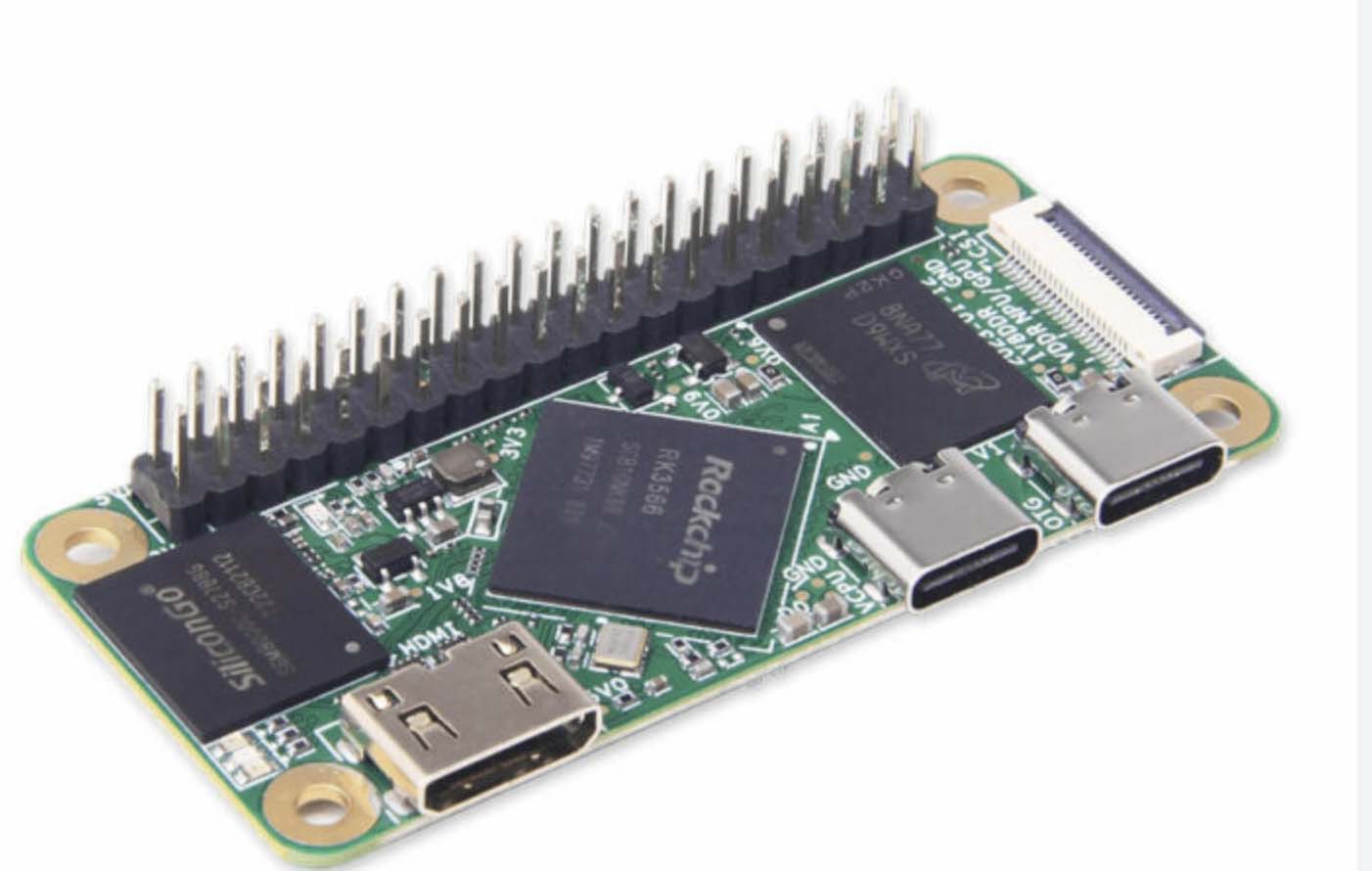
The PX30 is a quad-core ARM Cortex-A35 processor designed for low-power embedded systems. It targets products that require a modern graphical interface, multimedia capability, and reliable connectivity without the complexity or power budget of higher-end application processors. When engineering teams choose to design a custom SBC around PX30, they are typically aiming for a stable, display-driven system with controlled thermals and predictable manufacturing cost.
The starting point of any PX30 custom SBC project is product definition. Unlike evaluation boards, a custom board must reflect the final device architecture. This includes defining display size and interface, touch technology, storage type, networking requirements, expansion ports, enclosure constraints, and power input conditions. Early clarity in these areas directly influences PCB layout decisions and power tree design.
One of the most common reasons for selecting PX30 is its suitability for embedded HMI systems. Industrial control panels, building automation interfaces, medical terminals, and smart home controllers often require a responsive touch interface, moderate graphics capability, and long operating hours. The Cortex-A35 architecture offers sufficient performance for Android or embedded Linux UI frameworks while maintaining relatively low power consumption. This makes fanless mechanical design achievable in compact enclosures.
Display integration is usually the central design consideration. PX30 supports common display interfaces such as RGB, LVDS, and MIPI-DSI, depending on configuration. In a custom SBC project, engineers must determine whether the display will be directly connected on the main board or via a board-to-board connector to a display module. For 7-inch or 10.1-inch TFT LCD panels, LVDS or MIPI-DSI are often selected due to signal integrity and cable length flexibility. Proper impedance control and routing symmetry are critical during PCB layout to ensure stable display timing.
Touch integration is equally important. Most modern panels use capacitive touch controllers connected over I2C. During board bring-up, developers must verify not only basic communication but also noise tolerance, grounding strategy, and firmware configuration. In industrial environments with switching power supplies and long cable runs, EMI considerations can significantly impact touch stability. A well-designed grounding scheme and shielding approach can prevent late-stage debugging headaches.
Storage architecture is another key element of a PX30-based custom SBC. eMMC is typically selected for production units due to reliability and mechanical robustness, while microSD may be retained for development or recovery purposes. Partition strategy should be defined early in the project, especially if Android is used. OTA update planning, rollback mechanisms, and long-term data integrity all depend on correct storage layout decisions.
Power design for PX30 requires careful sequencing. The SoC relies on multiple voltage rails with specific ramp timing requirements. PMIC selection and power tree layout directly influence boot stability and long-term reliability. For industrial devices operating across wide temperature ranges, component selection must reflect derating practices and endurance targets. Engineers should validate cold boot performance and brownout recovery during hardware testing.
Networking capability often shapes product architecture. PX30 supports Ethernet and wireless modules through standard interfaces. In a custom SBC design, designers must decide whether Wi-Fi and Bluetooth modules will be soldered directly or connected via M.2 or other expansion connectors. Antenna placement within the enclosure must be considered in parallel with mechanical design to avoid signal degradation.
Peripheral interfaces define how the board interacts with the rest of the system. UART ports are commonly reserved for MCU communication or field diagnostics. SPI and I2C buses connect sensors, ADCs, or external controllers. GPIO lines handle relay control, status indicators, and hardware resets. A clean pin multiplexing strategy reduces firmware complexity and prevents resource conflicts during later development stages.
Once schematic design is complete, PCB layout becomes the decisive phase. High-speed signal routing, power integrity, and thermal distribution must be balanced within the mechanical constraints of the product. In display-centric designs, the position of connectors relative to the panel can reduce cable stress and assembly complexity. Thermal copper areas and heatsink attachment points should be integrated early rather than added as afterthoughts.
Software bring-up on PX30 typically follows a staged approach. The first milestone is basic bootloader configuration, often using U-Boot. Engineers validate DDR stability, storage initialization, and console output. Kernel bring-up follows, including device tree configuration for display, touch, networking, and peripheral devices. During this stage, HDMI debug output or serial console logs are invaluable for diagnosing early integration issues.
For Android-based systems, the BSP must be aligned with hardware modifications. Display timing parameters, touch firmware identifiers, Wi-Fi drivers, and GPIO mappings all require verification. For Linux-based systems, Buildroot or Yocto can be customized to generate a lean root filesystem tailored to the product’s service requirements. The choice between Android and Linux depends on UI complexity, application ecosystem needs, and maintenance strategy.
Thermal validation is mandatory before mass production. Engineers should conduct stress testing under maximum CPU and GPU load while monitoring SoC temperature and enclosure surface temperature. Environmental chamber testing across expected ambient ranges ensures stable operation under real deployment conditions. Passive cooling solutions should maintain sufficient margin to avoid throttling during sustained workloads.
Compliance and certification considerations must also be addressed. EMC performance is influenced by PCB stackup, grounding strategy, and high-speed routing discipline. If wireless modules are integrated, regulatory certification paths should be reviewed early to prevent delays. Designing with pre-certified modules can reduce testing complexity, but antenna integration must still be validated in the final enclosure.
Manufacturing readiness involves more than PCB fabrication. Test fixtures for production flashing, functional verification scripts, and automated inspection processes must be prepared before ramp-up. PX30-based custom boards often include dedicated test pads or programming headers to facilitate factory procedures. Clear documentation of bootloader flashing steps and firmware validation criteria ensures consistent product quality.
Long-term supply chain stability is one of the core motivations behind building a custom SBC instead of relying solely on third-party boards. By controlling component selection and PCB design, manufacturers can manage lifecycle risks more effectively. Alternative part strategies for memory, PMIC, or peripheral chips should be evaluated during initial design to mitigate future shortages.
Field maintenance strategy is equally important. Secure boot configuration, firmware update mechanisms, and remote diagnostics all contribute to product longevity. A well-architected PX30 platform can support encrypted firmware images and reliable OTA systems, reducing service costs over time.
Cost optimization occurs naturally once the board reaches maturity. After initial prototypes validate functionality, unnecessary connectors or debug circuits can be removed for production variants. PCB layer count and component placement can be refined to reduce manufacturing expense without compromising reliability.
Ultimately, designing a custom SBC around Rockchip PX30 is a disciplined engineering process rather than a simple hardware exercise. It requires coordinated decisions across electrical design, mechanical integration, firmware architecture, thermal management, and manufacturing planning. When executed correctly, the result is a stable and scalable platform tailored to a specific product line.
The PX30 remains a practical choice for applications where moderate computing power, modern UI capability, and manageable thermal behavior intersect. Industrial HMIs, smart building controllers, medical interface terminals, and commercial kiosks are typical deployment scenarios. In these systems, long-term stability and predictable integration outweigh peak performance metrics.
A custom PX30 SBC is not about pushing technological boundaries. It is about engineering alignment—matching silicon capability to product requirements with precision. For companies committed to building reliable embedded devices, that alignment is often more valuable than raw benchmark dominance.



의견을 남겨주세요