
Hello, ladies and gentlemen. I'm the "Environmental Bank" with all the worldwide environmental issues. Today, we’ll take a closer look at the topic "How gut bacteria change after exposure to pesticides"
안녕하세요. 환경 관련 이슈들을 모두 보유하고 있는 "환경뱅크"입니다. 오늘은 "농약에 노출되면 장내 미생물은 어떻게 변할까?"에 대한 주제에 대해서 자세히 알아봅시다.
What is the issue?
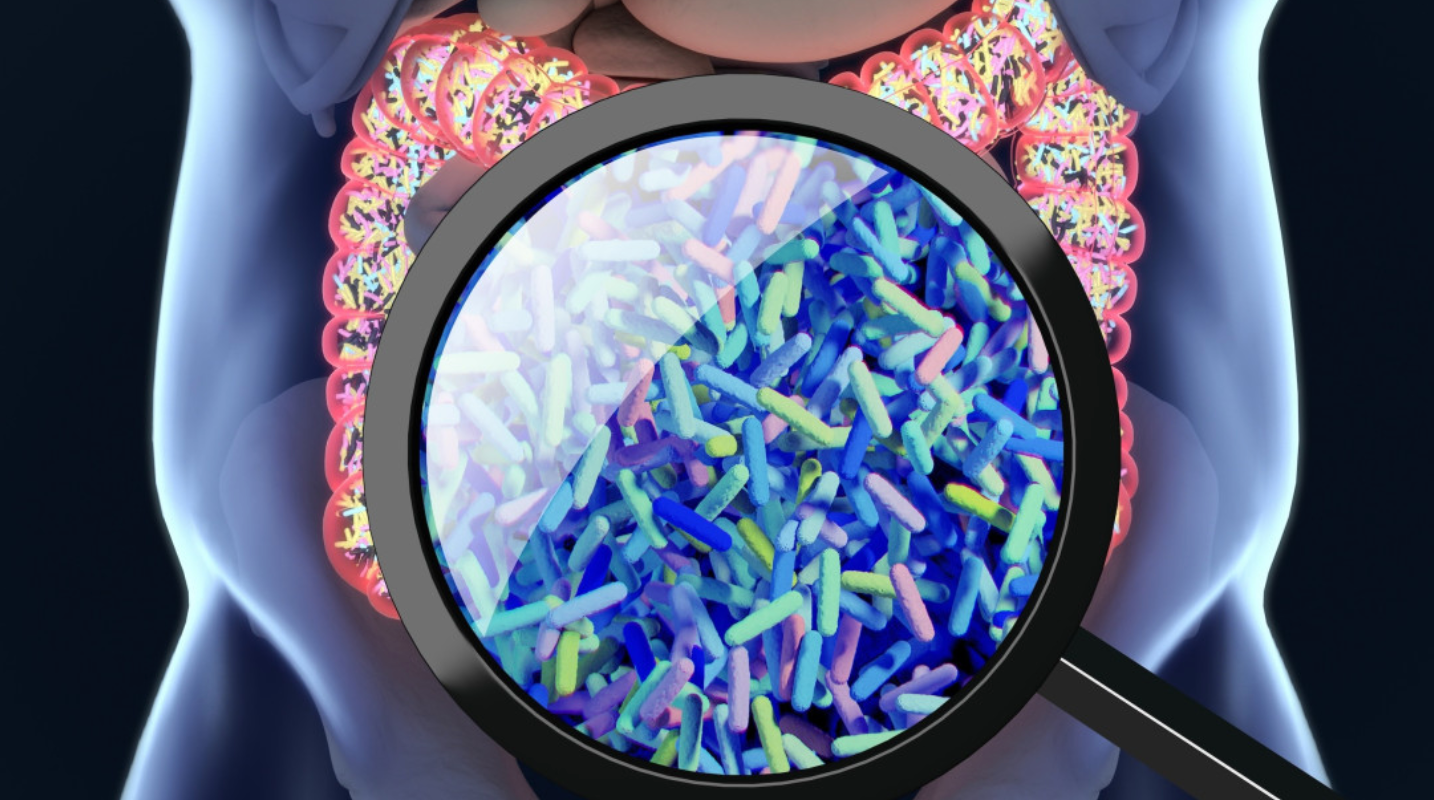
Emerging evidence suggests pesticides can negatively affect gut microbiota, but this study is the first to map specific changes to human gut bacteria caused by pesticide exposure, using both lab models and animal experiments.
핵심 쟁점은 무엇인가요?
최근 연구에 따르면 농약이 장내 미생물에 악영향을 줄 수 있다는 증거가 늘고 있습니다. 이번 연구는 실험실 환경과 동물 실험을 통해 농약 노출이 사람의 장내 세균에 어떤 구체적인 변화를 일으키는지를 처음으로 지도화한 최초의 연구입니다.
What did the study do?
- Investigated 18 widely-used pesticide compounds and their interaction with 17 key species of human gut bacteria
- Grew bacteria in culture and exposed them to pesticide levels relevant to real-life exposure.
- Built a bacteria-pesticide interaction network showing which pesticides promote/inhibit growth and which bacteria absorb pesticide residues
연구에서 어떤 일을 했나요?
- 전 세계적으로 널리 사용되는 18종의 농약과건강 유지 또는 질병과 관련된 17종의 주요 장내 세균 간의 상호작용을 조사했습니다.
- 배양한 세균에 실제 노출 가능 수준의 농약을 투여하여 반응을 관찰했습니다.
- 특정 농약이 세균의 성장을 촉진 또는 억제하는지,어떤 박테리아가 농약을 흡수하는지 등을 보여주는‘농약–세균 상호작용 네트워크’를 구축했습니다.
What were the key findings?
Over a dozen pesticides:
- Altered the growth of gut bacteria
- Changed how microbes metabolize nutrients
- Persisted by embedding in bacteria
Researchers Identified 306 pesticide–microbe metabolic pairs with significant metabolic changes. Disrupted microbiome balance (gut dysbiosis) is linked to disease risk, including immune, neurological, and digestive issues.
주요 발견은 무엇인가요?
12종 이상의 농약이 다음과 같은 영향을 미쳤습니다:
- 특정 장내 세균의 성장 양상 변화
- 세균의 영양소 대사 방식 변화
- 농약이 일부 세균 안에 축적되어 장기간 체내에 잔류 가능성 확인
연구진은 총 306쌍의 농약–세균 대사 관계를 확인했고,이들 사이에서 유의미한 대사 변화가 관찰되었습니다. 이러한 변화는 장내 미생물 균형 붕괴인 ‘장내 불균형(gut dysbiosis)’으로 이어지며,이는 면역력 저하, 신경계 이상, 소화계 질환 등 다양한 건강 문제와 연관됩니다
What did the mouse experiment show?
Mice were given antibiotics to clear existing gut microbes.
A group was then introduced to Bacteroides ovatus, a common human gut bacterium.
After 4 weeks of pesticide exposure:
- Pesticides triggered inflammation in several organs.
- The bacteria-modified group showed altered metabolic and lipid activity.
- Certain lipids blocked a harmful protein pathway (oxidative stress).
쥐 실험에서는 무엇을 밝혔나요?
기존 장내 세균을 제거하기 위해 쥐에게 항생제를 투여한 뒤,일부 쥐에게는 사람 장내에 흔한 세균인 Bacteroides ovatus를 투입했습니다.
4주간 농약에 노출된 후:
- 여러 장기에 염증 반응이 발생했습니다.
- B. ovatus를 투입한 쥐에서는 대사 활동 및 지질 조성 변화가 나타났습니다
- 특정 지질은 산화 스트레스 관련 단백질 신호 경로를 억제하는 것으로 나타났습니다.
Why is this important?
- Shows for the first time how specific pesticides affect specific gut microbes, not just general microbiome disruption.
- Gut microbial stability is essential for digestion, immunity, and mental health.
- Disruption can lead to various diseases (via gut dysbiosis).
- Identified microbes that may detoxify or mitigate pesticide damage, opening the door for therapeutic use of probiotics.
이 연구가 왜 중요한가요?
- 특정 농약이 장내 세균 전체가 아닌, 특정 세균에 어떤 영향을 주는지를 처음으로 밝혔습니다.
- 장내 미생물의 균형은 소화, 면역, 정신 건강 유지에 매우 중요합니다.
- 이 균형이 무너지면 다양한 질병으로 이어질 수 있습니다.
- 농약을 분해하거나 해독하는 미생물도 일부 확인되어, 프로바이오틱스(유익균 치료제)로 활용할 가능성이 열렸습니다.
What is the broader impact?
The study created an open-access “atlas” of pesticide–microbe molecular mechanisms, enabling:
- Deeper research on gut health and disease
- Development of new strategies for detoxification and prevention
The study could lead to personalized probiotic therapies or disease prevention strategies following environmental toxin exposure.
연구의 응용 및 시사점은 무엇인가요?
연구진은 이번 연구 결과를 바탕으로‘농약–세균 대사 반응 지도(atlas)’를 공개하여 누구나 접근할 수 있게 했습니다.
- 장 건강 및 질병 연구에 더 깊은 통찰 제공
- 해독 및 예방 전략 개발에 활용 가능
향후, 개인 맞춤형 유산균 치료나환경 독소 노출 이후 질병 예방 전략 개발로 이어질 수 있습니다.
Wrap-up
I realized that how strongly tiny microorganisms are related to our body. As I used to think that pesticides were merely an external factor, the fact that these can actually affect gut bacterias were intriguing. Therefore, I was able to think more about the importance of the microbiome and how science can use that knowledge to improve human health in the future.
이 기사를 통해, 아주 작은 미생물들이 우리 몸과 얼마나 밀접하게 연결되어 있는지를 새삼 깨닫게 되었다. 이전에는 살충제 같은 물질이 단지 외부 요인일 뿐이라고 생각했는데, 이런 것들이 장내 세균에까지 영향을 줄 수 있다는 사실이 굉장히 흥미롭게 다가왔다. 이를 통해 마이크로바이옴의 중요성을 더 깊이 생각하게 되었고, 앞으로 과학이 이 지식을 활용해 인간의 건강을 어떻게 향상시킬 수 있을지에 대해 고민해보는 계기가 되었다.



의견을 남겨주세요