
Living a little differently, pole pole.
This has been the tagline of my blog for years. Pole pole means “slowly, slowly” in Swahili. I love the phrase because, while it rolls off the tongue lightly, its meaning is the exact opposite of Korea’s “hurry, hurry” mindset.
In Kenya, many of my conversations ended the same way: “Hakuna matata, pole pole.”
Don’t worry—it’ll be fine. No need to rush. Just take it
Don’t worry…
…Alright, don’t worry…
It’s probably the phrase I say most often to my dad.
(Sending a photo) “First day of freediving in Dahab. It was fun—two buddies in my class, and the instructor is super thorough.”
Dad: Good… by the water, there’s no such thing as being too careful.
(Sending a photo) “Last lunch in Dahab.”
Dad: Eat well, and always be careful…
“It’s winter in Kenya—really cold. Heading to Masai Mara safari in two days.”
Dad: Cold in Africa? That’s a first… lol. Watch out for lions and wild animals.
(Lion photo)
Dad: Looks amazing… watch out for lions, haha.
(Swimming photo)
Dad: Be careful in the water…
“Arrived in Arusha, heading to Zanzibar by ferry.”
Dad: Okay. Careful in the heat…
(Dolphin photo)
Dad: Those waves look rough. Be extra careful. Is that now?
“Moving from Kendwa to Stone Town today”
Dad: Haha. Travel safe…
Whenever I talked about Africa, this is how things went. Then, in March, I finally laid out my full plan over dinner. Three days later, Dad came home a little drunk and kept repeating:
“Are you an African girl? Are you Canadian girl? Are you Korean girl?”
On and on.
After watching the drama When Life Gives You Tangerines, I started to guess at feelings I hadn’t realized before. So I completely revised my travel plan—figuring if I went to Africa alone, my parents wouldn’t sleep at night.
But life doesn’t follow plans. Once in Egypt, I changed my mind again. And now, Dad is still worried I’ll be eaten by a wild animal. Hakuna matata.
SAFARI
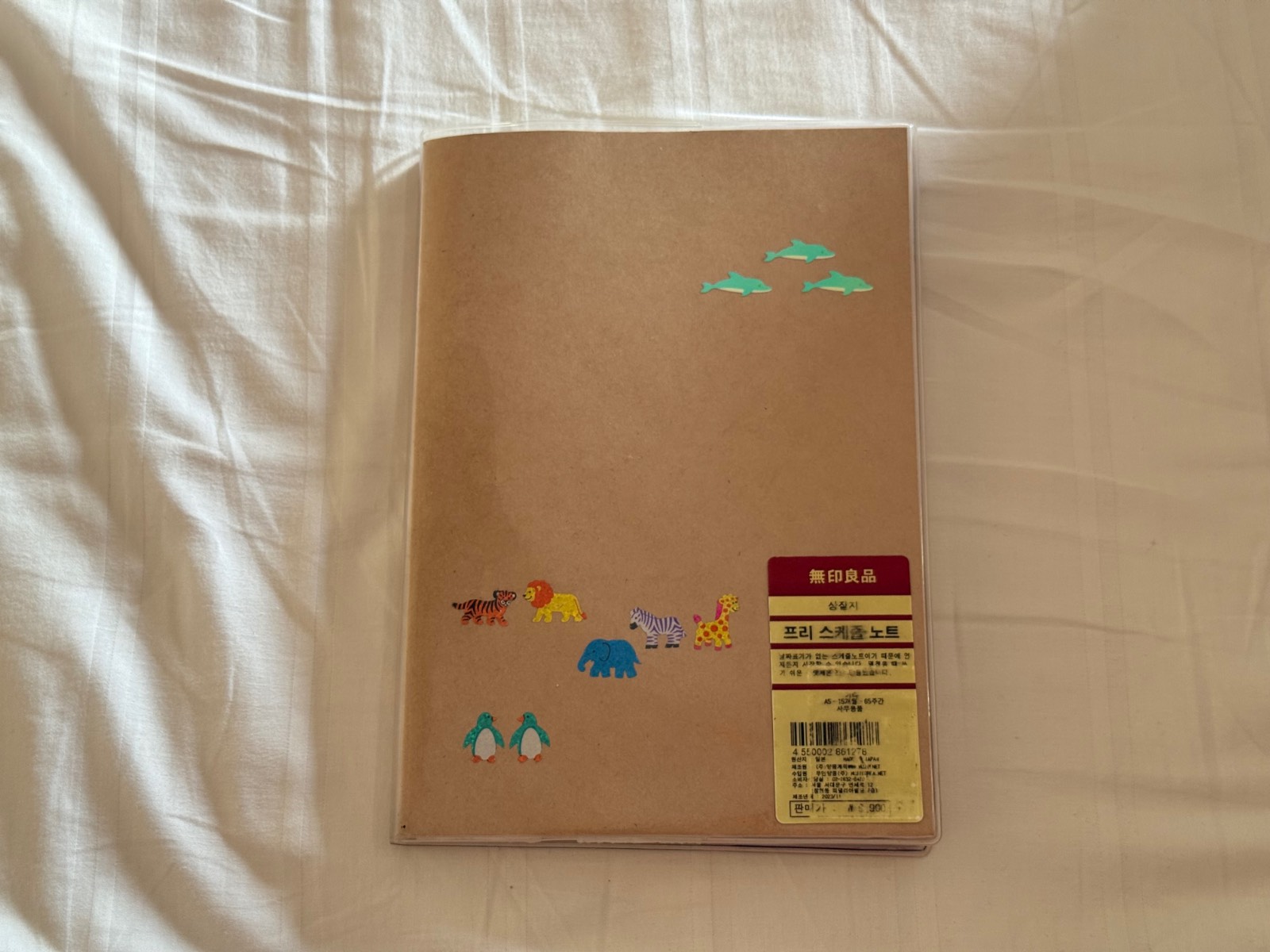
When people think of Africa, many picture vast landscapes and wild animals. I was no different. At the start of the year, I even decorated the cover of my journal with stickers of the animals I hoped to see there.
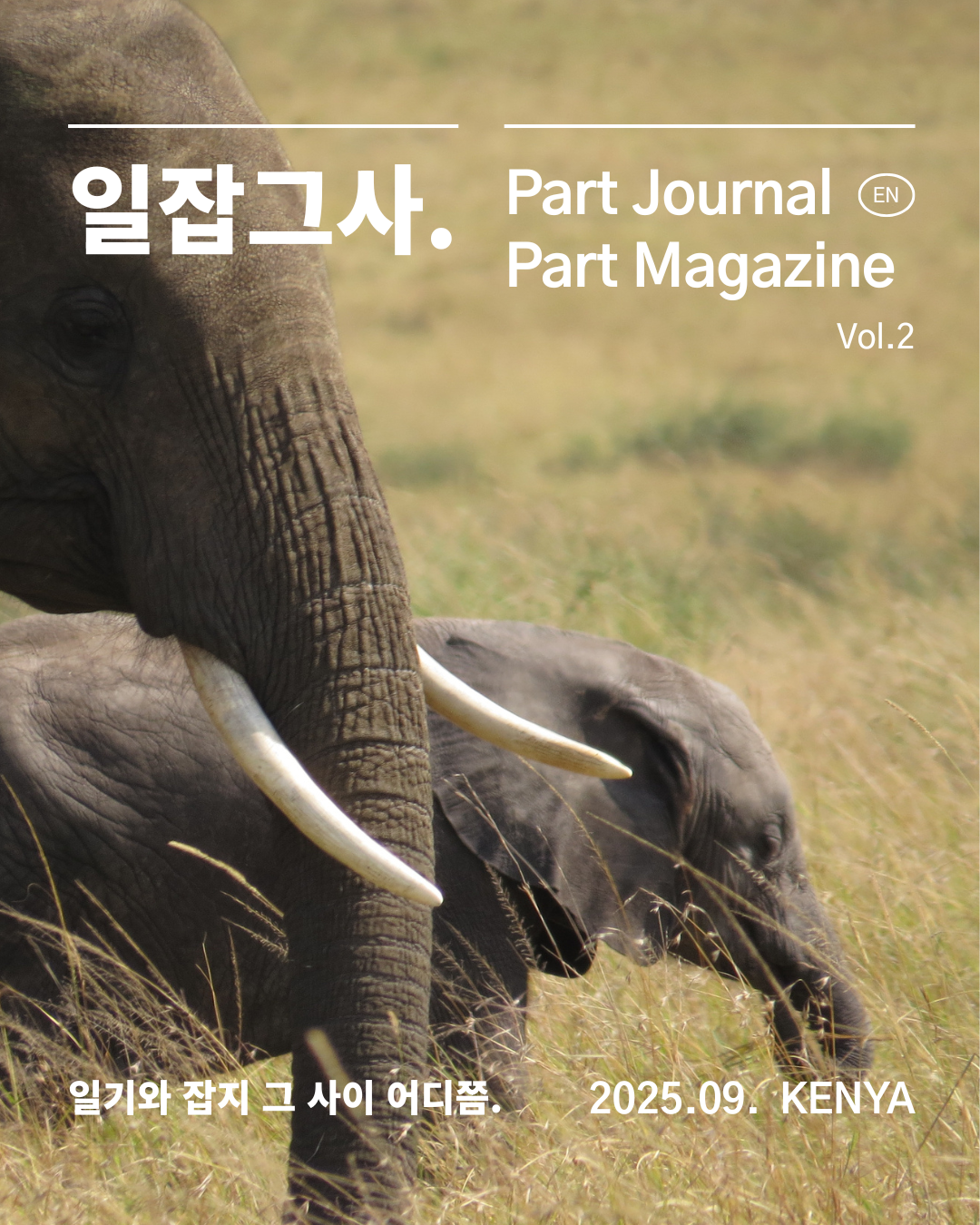
Seeing an elephant up close—a childhood favorite of mine—was unforgettable. But what stayed with me even more was a conversation I had with my guide, Anthony.
By the time I reached Tanzania, I’d picked up some Swahili greetings. Locals would often ask, “Oh, you speak Swahili? Where did you learn it?” My answer was always the same: Kenya, from Anthony.
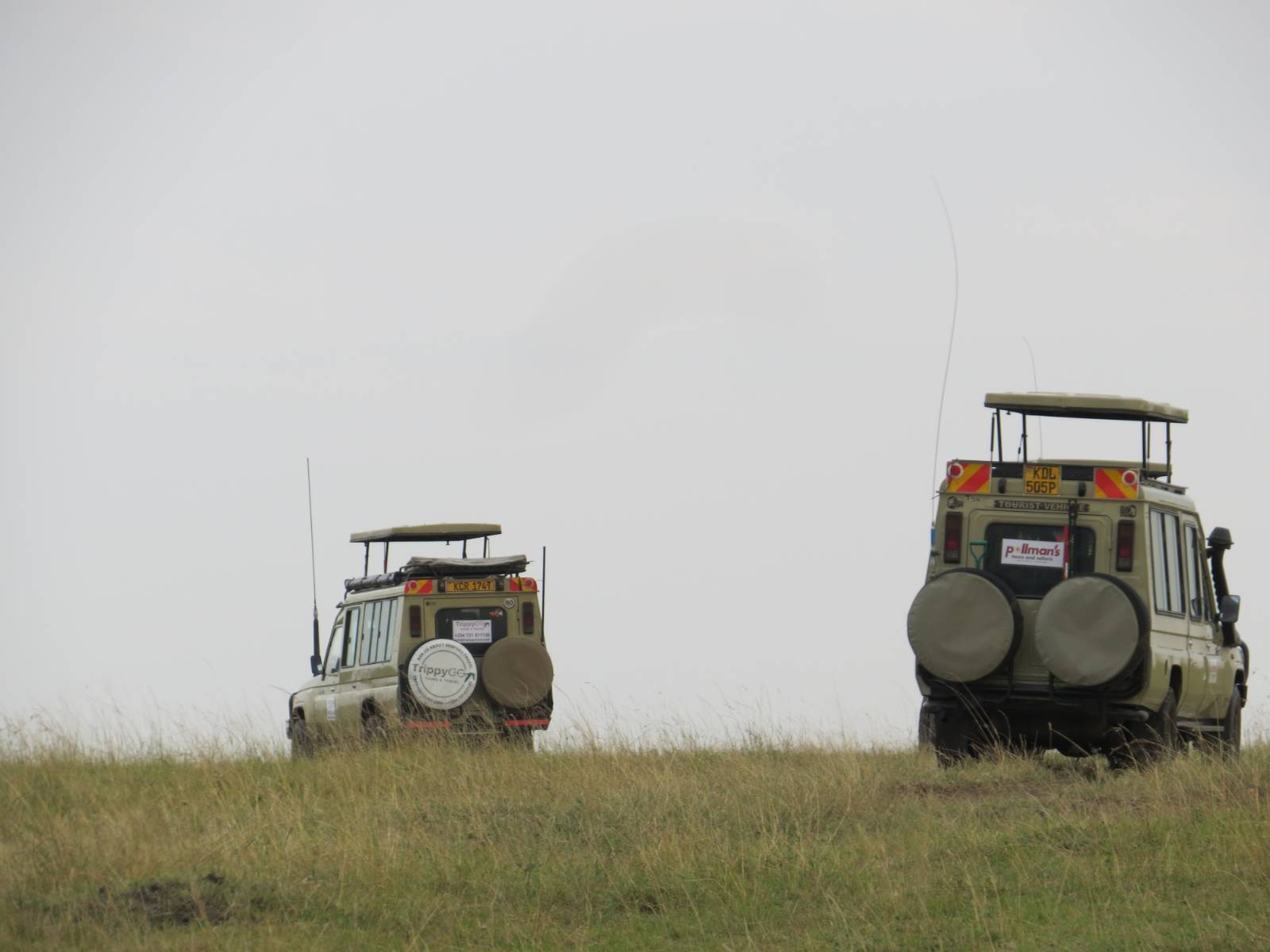
Swahili Dictionary
Anthony told me that my name, Minji, means “pea” in Swahili — yes, like the vegetable —which is why he laughed the first time he heard it. But when you say it twice, Minji Minji, it takes on a whole new meaning: “a smart and charming woman.” From then on, Anthony always called me Minji Minji.
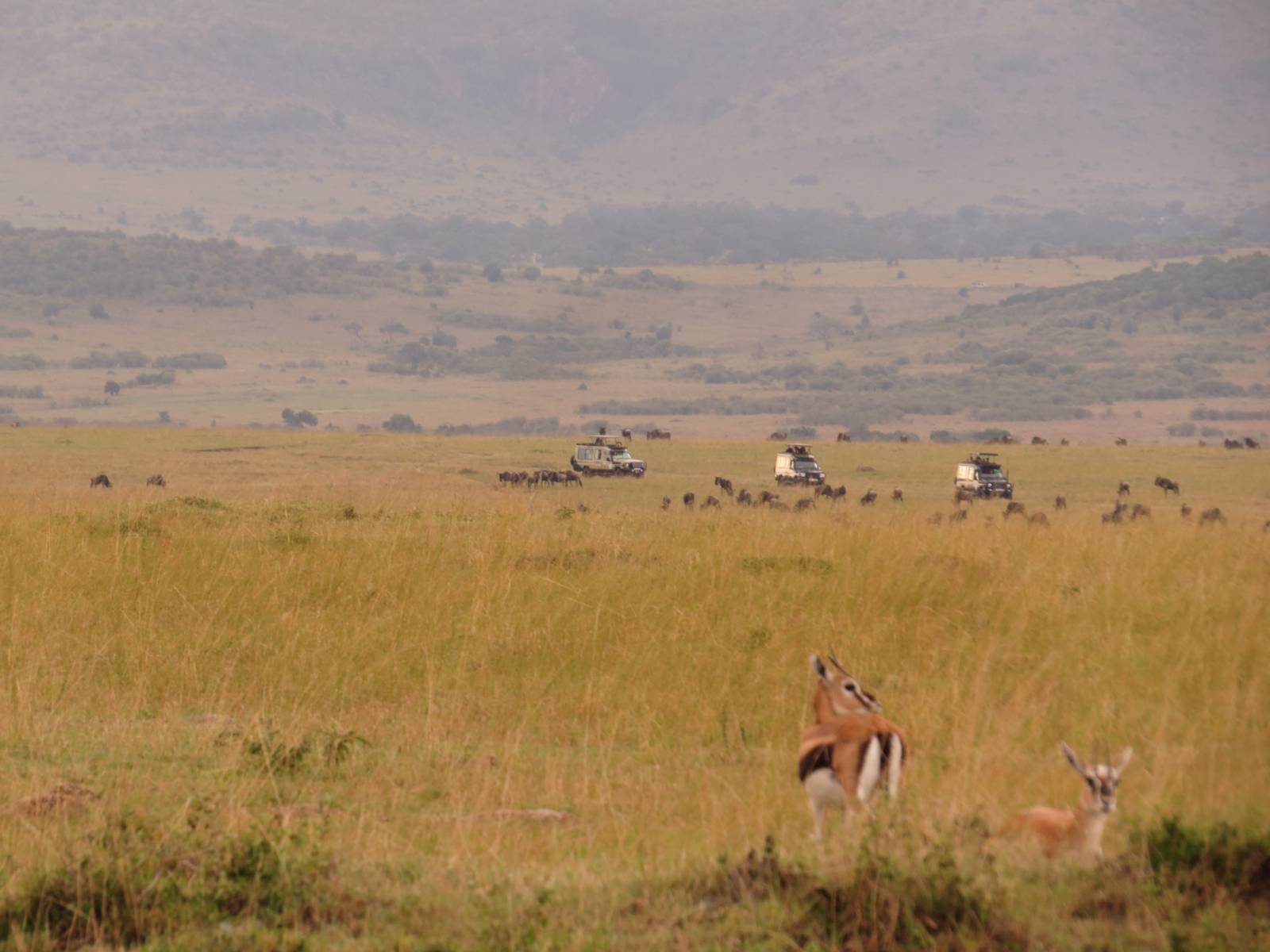
Tribes of Kenya
Kenya is officially home to more than 42 tribes. According to my guide Anthony, when election season comes around, political support often falls along tribal lines, and alliances between tribes can tip the balance.
Among the largest and most notable groups are the Kikuyu, who make up a significant share of the population; the Kalenjin, world-famous for their long-distance runners; and the Maasai, perhaps the most iconic face of Kenya.
The Maasai are known for their bright red traditional dress, the shúkà, their colorful beadwork, and the high-jumping dance called adumu. Their lives revolve around cattle, which are not just livestock but also a measure of wealth and status. Villages are arranged in circles of mud-and-grass houses called manyatta, forming tight-knit communities on the savanna.
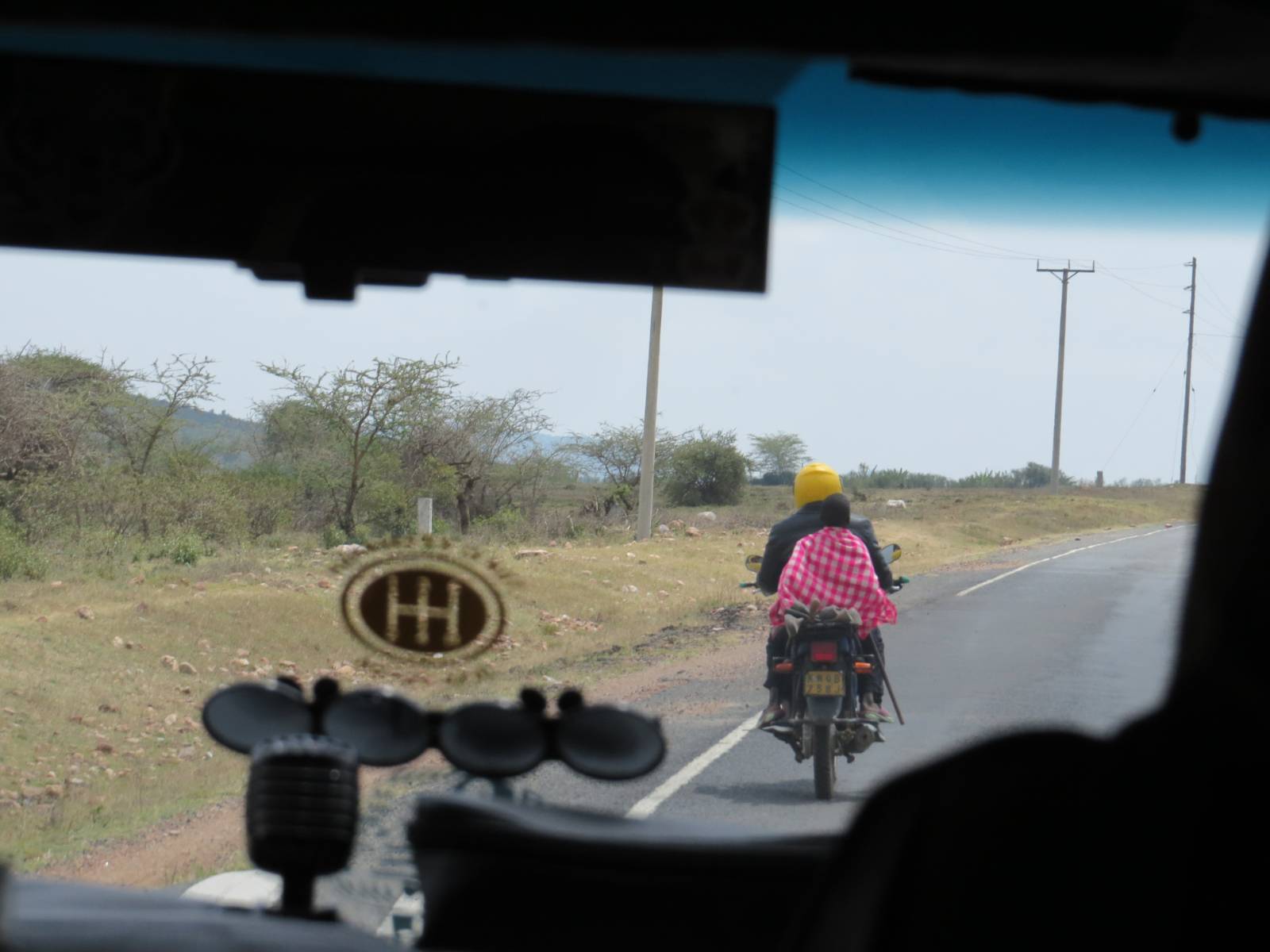
Toto — Africa
On the way back from safari, with everyone asleep in the car, Anthony’s playlist started playing Toto’s Africa. It’s one of my favorite songs, so I found myself quietly dancing along.
Interestingly, Africa—Toto’s most famous track—wasn’t written from firsthand travel. David Paich wrote it after watching a TV documentary, imagining the continent from a distance. The song is filled with longing and romance for a faraway land.
In the lyrics, the narrator admits to a deep pull toward Africa. The mystery of the place blends with a relationship, turning Africa into a symbol of escape and new beginnings. It reminded me of myself two years ago, when I dreamed of crossing Africa as a way of breaking free from my own life.
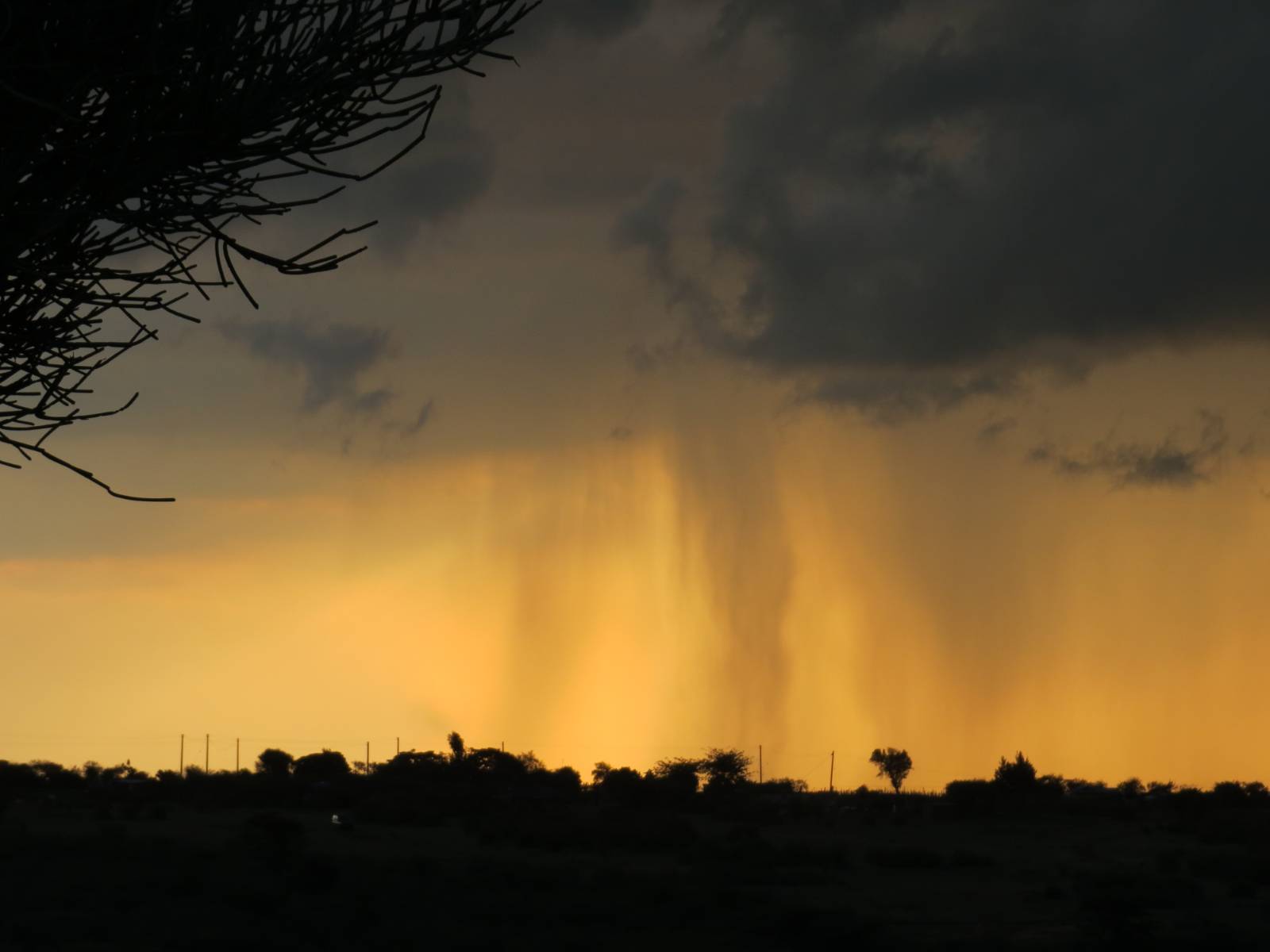
I bless the rains down in Africa
아프리카에 비가 내리기를 축복해
Gonna take some time to do the things we never had
이제껏 하지 못했던 것들을 해볼 시간을 가질 거야
The chorus line, “I bless the rains down in Africa,” celebrates the life-giving power and wonder of the rain, while expressing reverence for the land itself. In the end, the song frames Africa as a symbol of wonder and fresh beginnings.
.
.
.
- 17/08/2025 -
Someone asked me what my dream was. I wish I had a clear, sharp answer, but I kept mulling it over. A dream? Making a living doing what I love, being with people I care about… too vague, maybe.
Then I realized—crossing Africa was my dream. And I’m living it now. Funny thing is, it doesn’t feel overwhelming. It used to bring me to tears just imagining it. Now, I’m simply doing it.
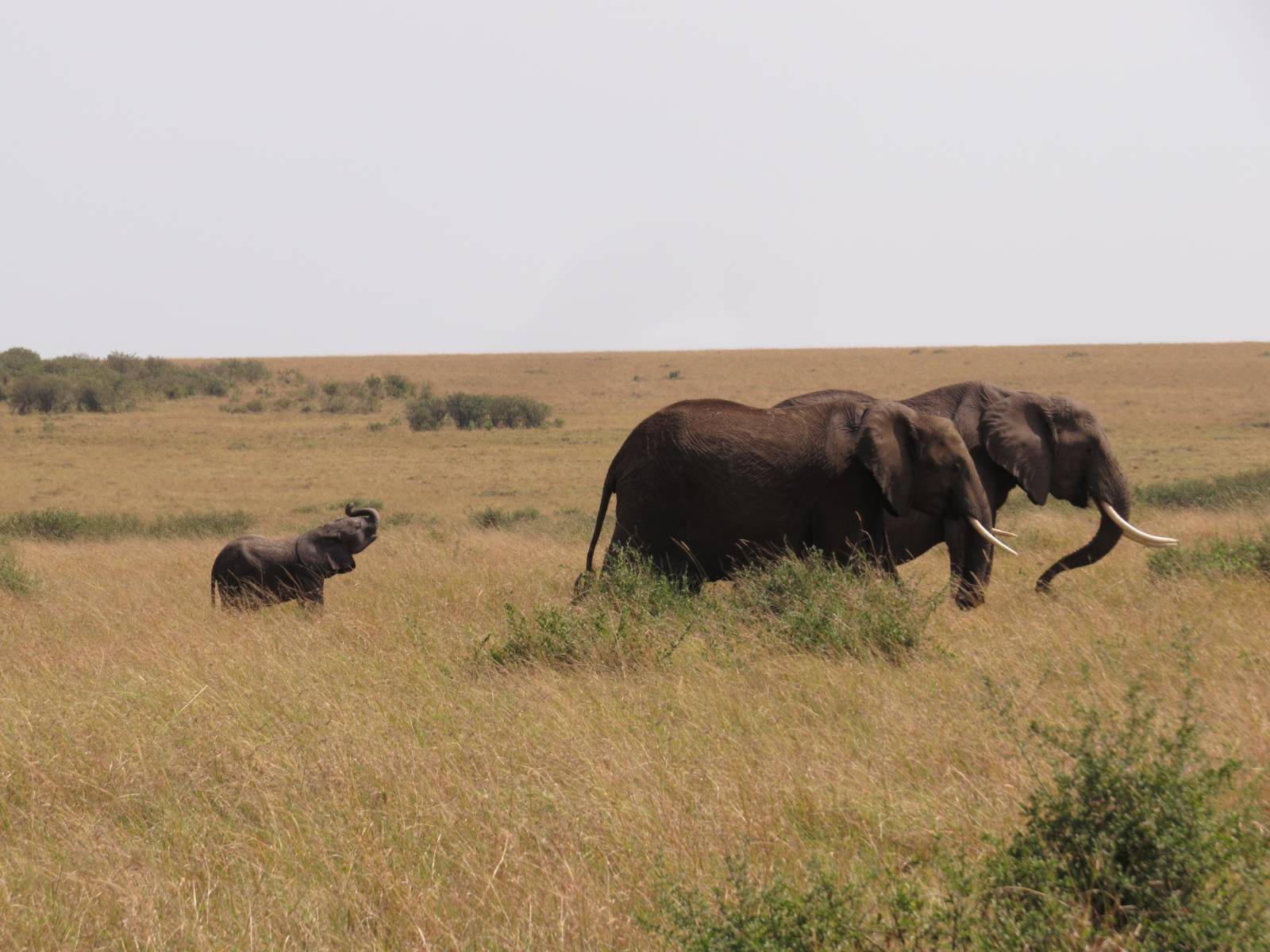
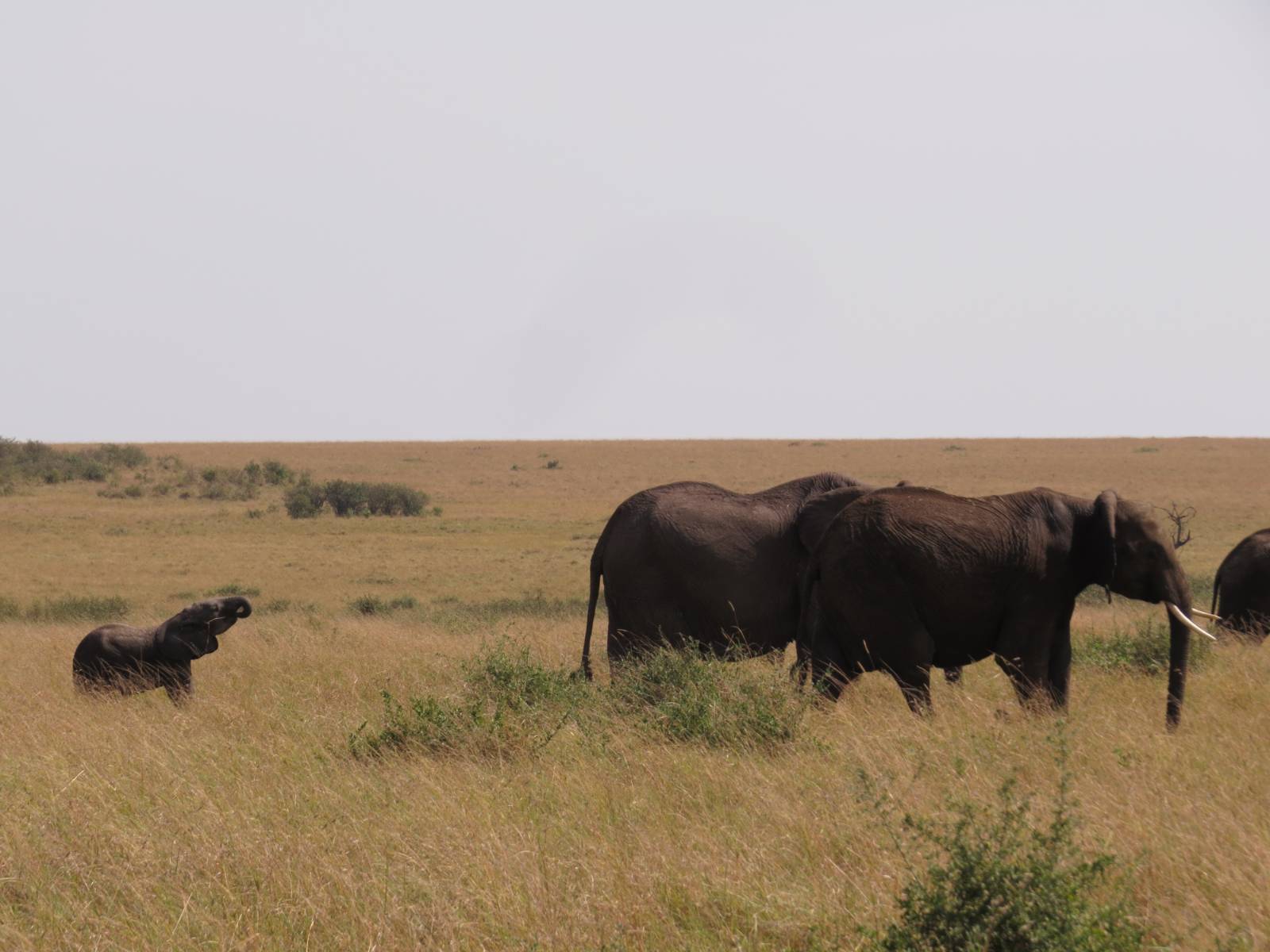
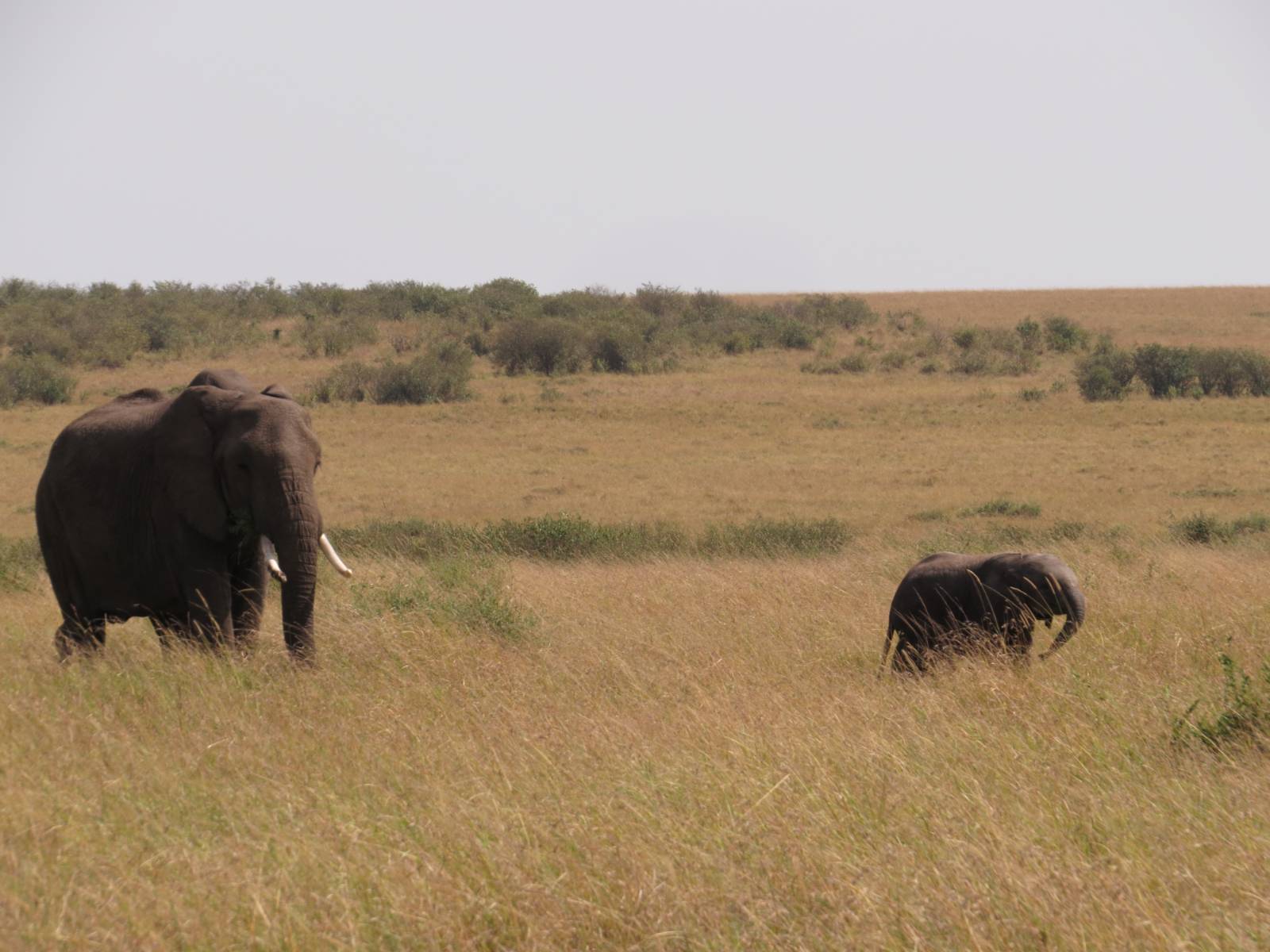
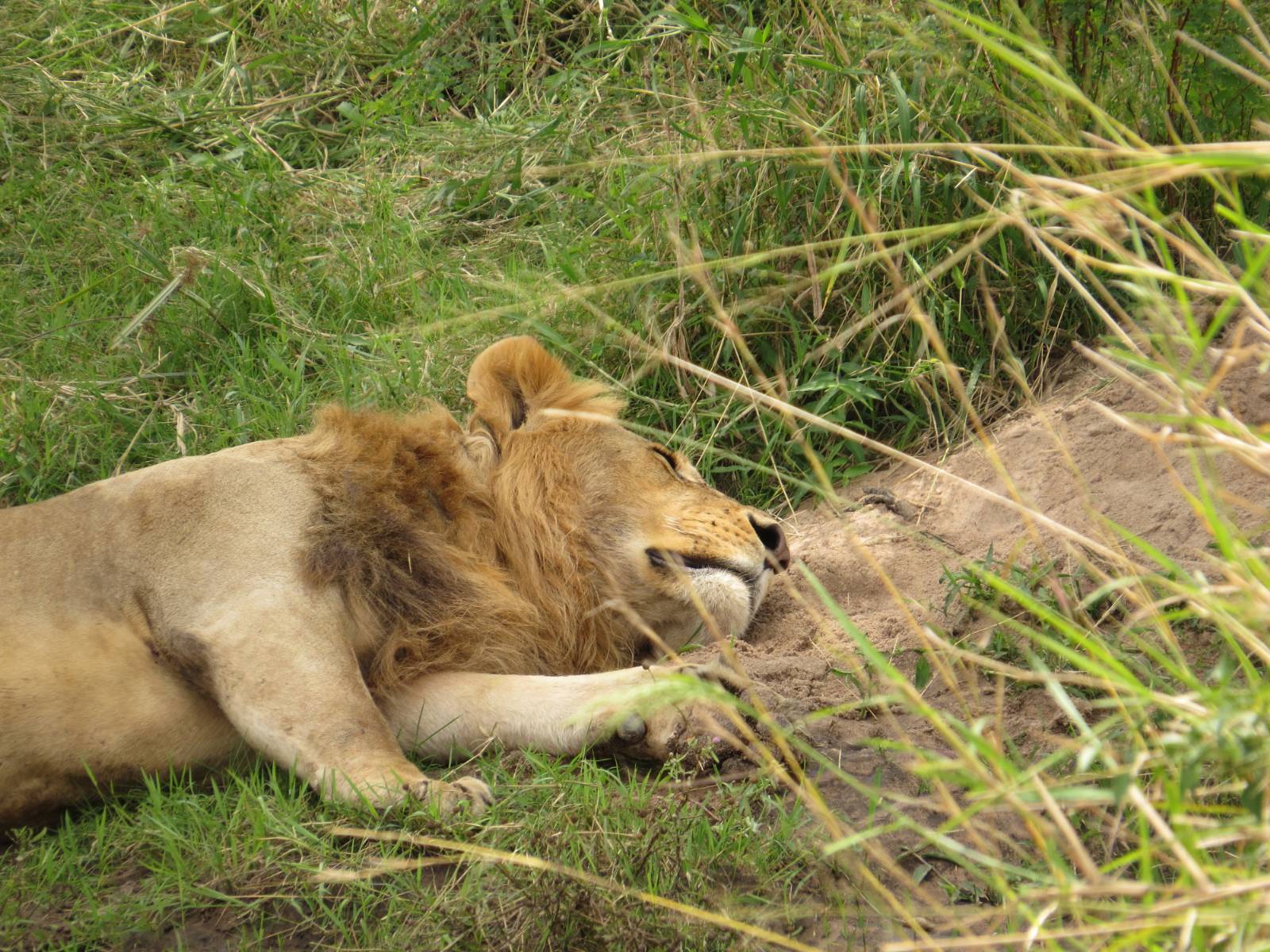
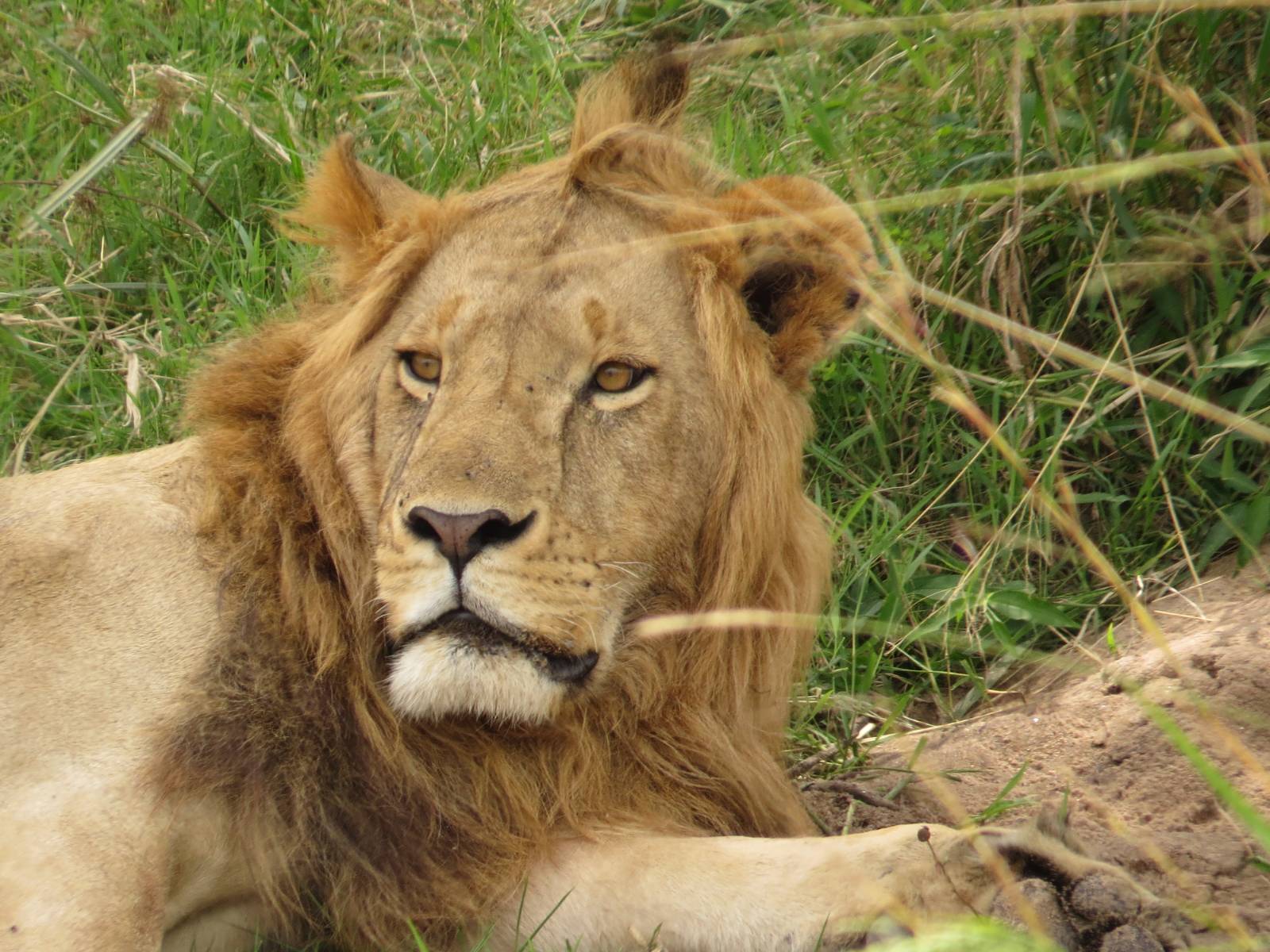
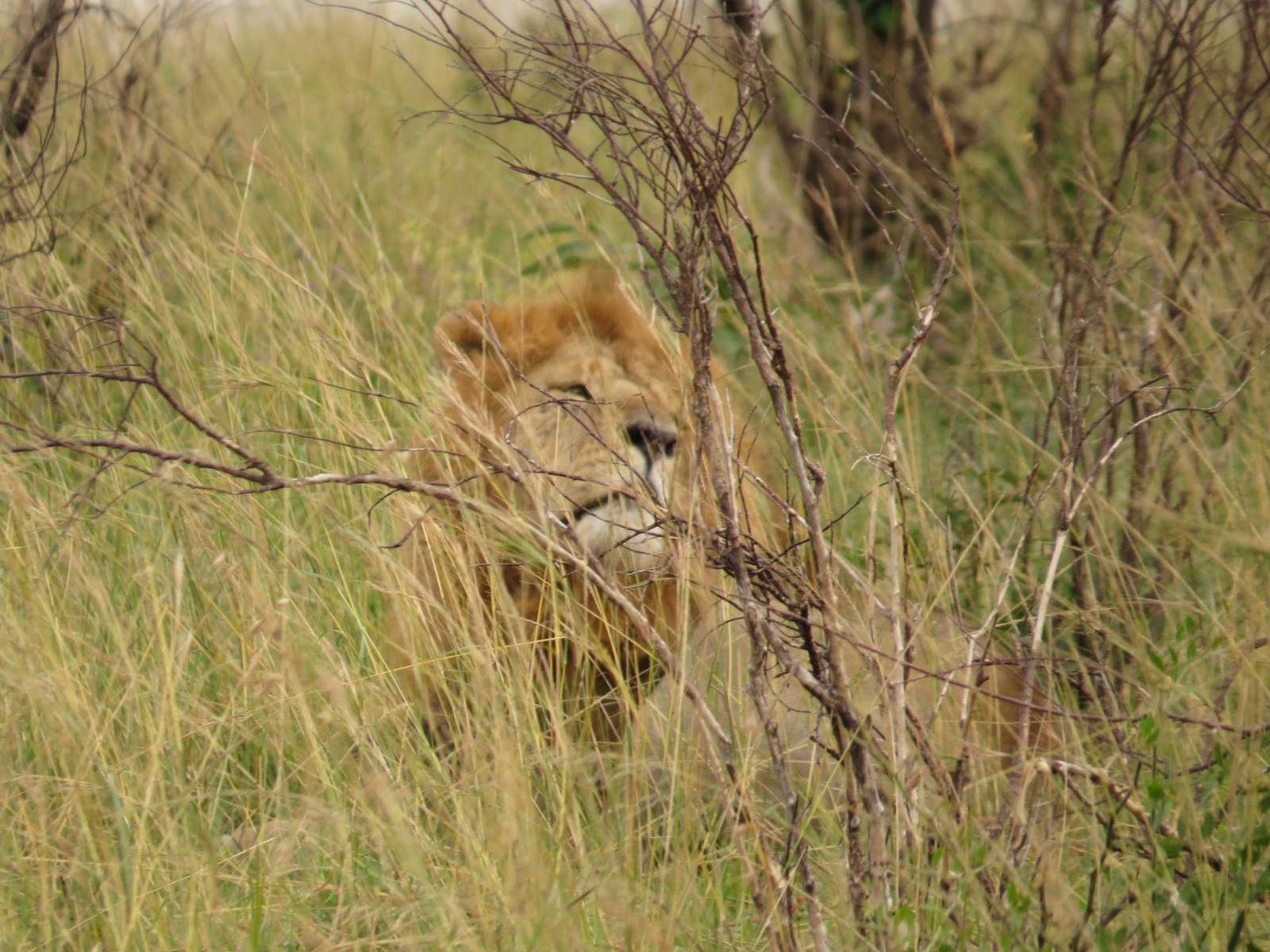
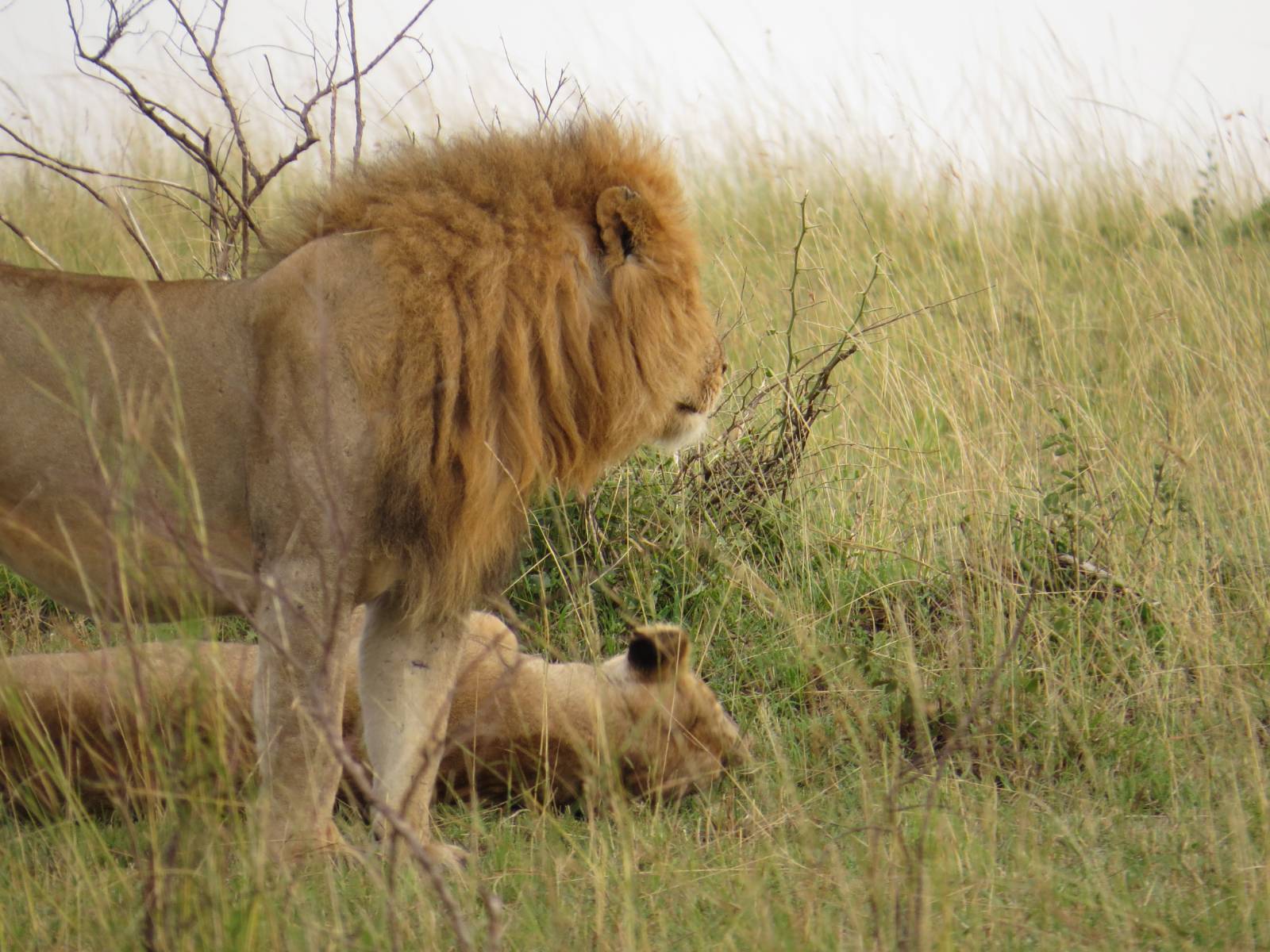
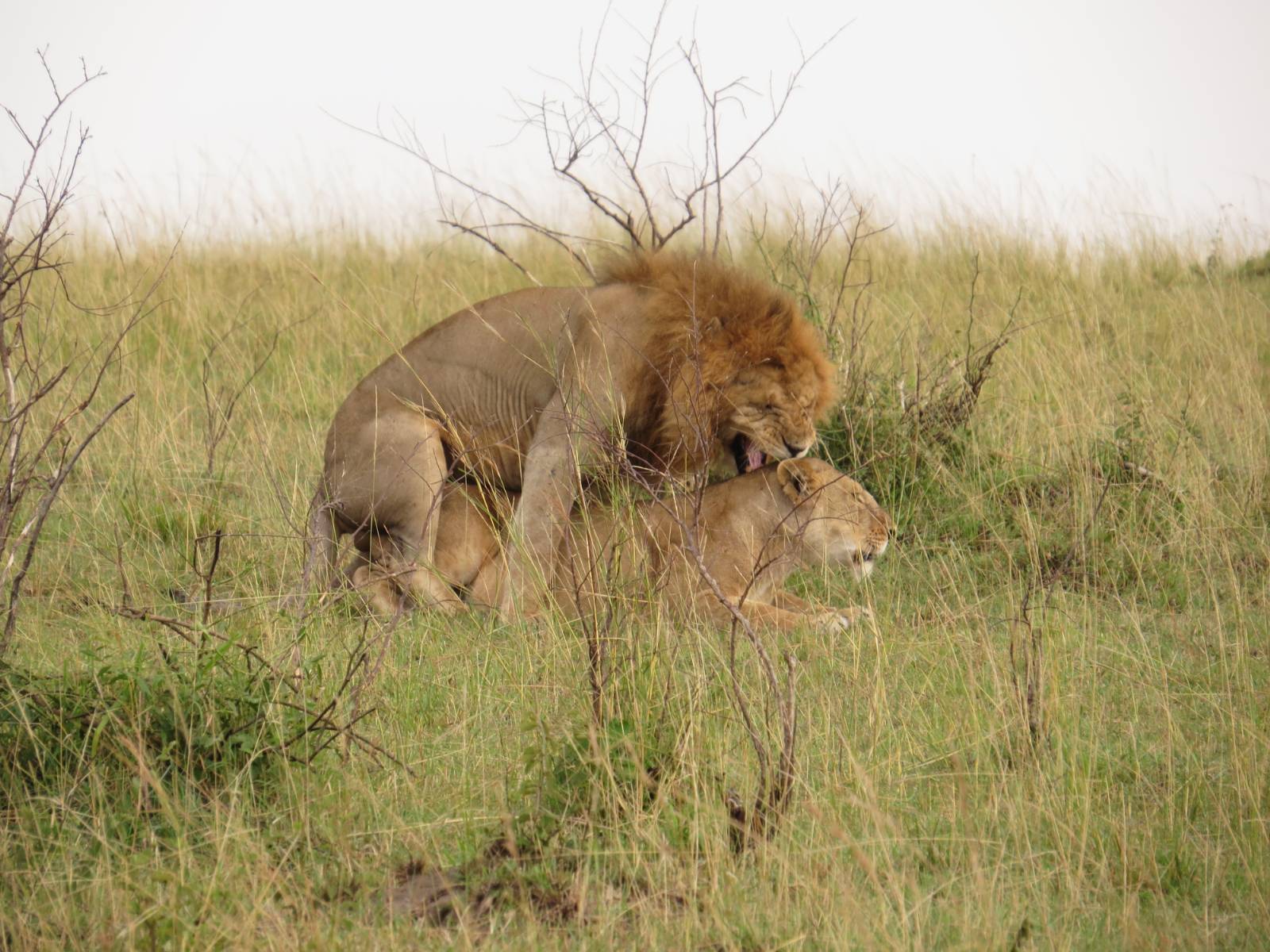
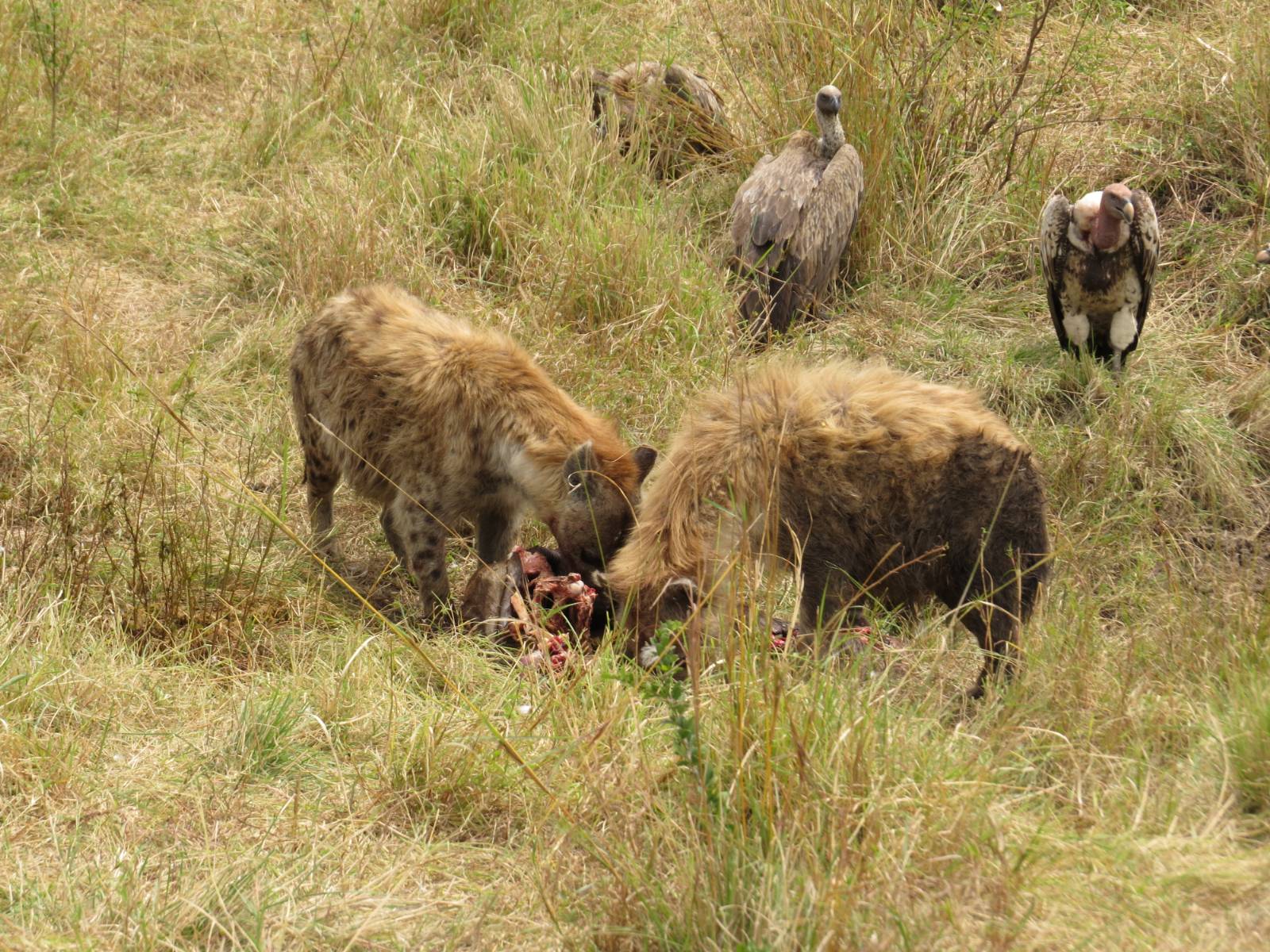
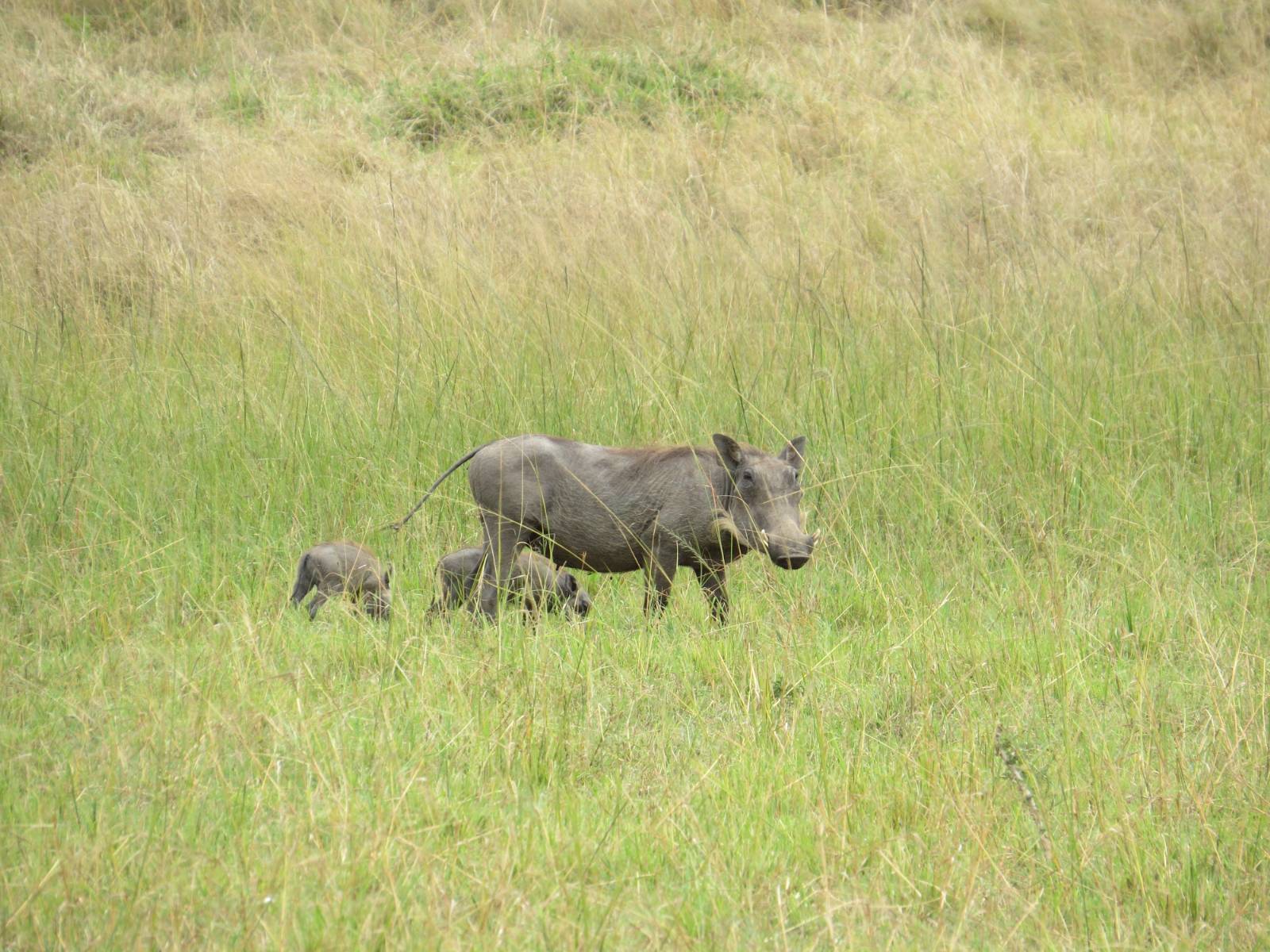
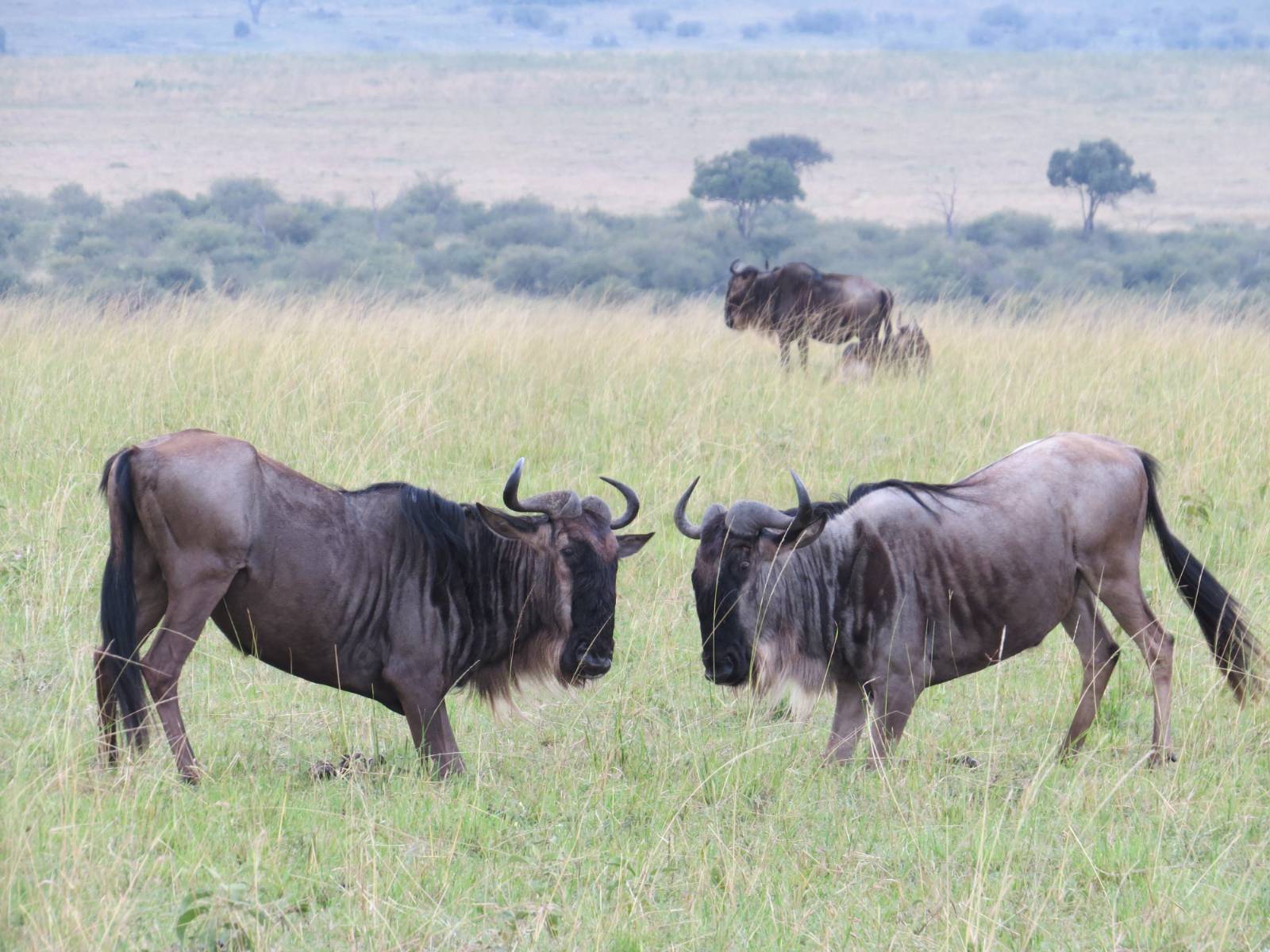
I’ve never liked zoos, and even here in the Maasai Mara I couldn’t shake the strange feeling of trespassing. Maybe it was the crowd of safari vehicles surrounding a sleeping lion. (Then again, the moment the lion woke up, it confidently went straight into… romance.)
Kenya FUN FACTS
1. A coffee country that prefers tea
Kenya is a world-class coffee producer, yet locals drink more chai than coffee. Their chai—brewed with milk and sugar—is a daily staple. Compared to chai I’ve had elsewhere, the flavor here is milder and somehow more comforting. I often enjoyed a hot cup with meals.
2. Nairobi, the “capital on a plateau”
Kenya’s capital, Nairobi, sits at about 1,795 meters above sea level—just a little lower than the peak of Hallasan (1,947m) in Korea. Thanks to the altitude, the climate stays cool, and from June to August it’s even called “Kenya’s winter,” with morning and evening temperatures dropping to around 10°C. When I was there, the rain made it feel especially cold. (The high-altitude environment is also said to help build endurance and stamina.)
3. A flag full of meaning
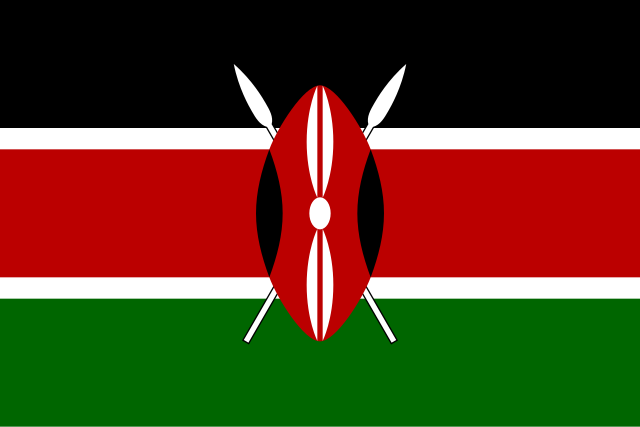
The Kenyan flag is packed with symbolism: black for the people, red for the fight for independence, green for the land. At the center, the Maasai shield and spears stand for independence and pride.
.
.
.
- 13/08/2025 -
Somehow I keep checking off my bucket list by accident. One simple “hello” at a crosswalk led to a day of volunteering at a Kenyan elementary school.
When I think of Kenya: magenta pink, chai, and warm hospitality. And when they told me, “Come back anytime when life gets hard,” almost teared up.
.
.
.
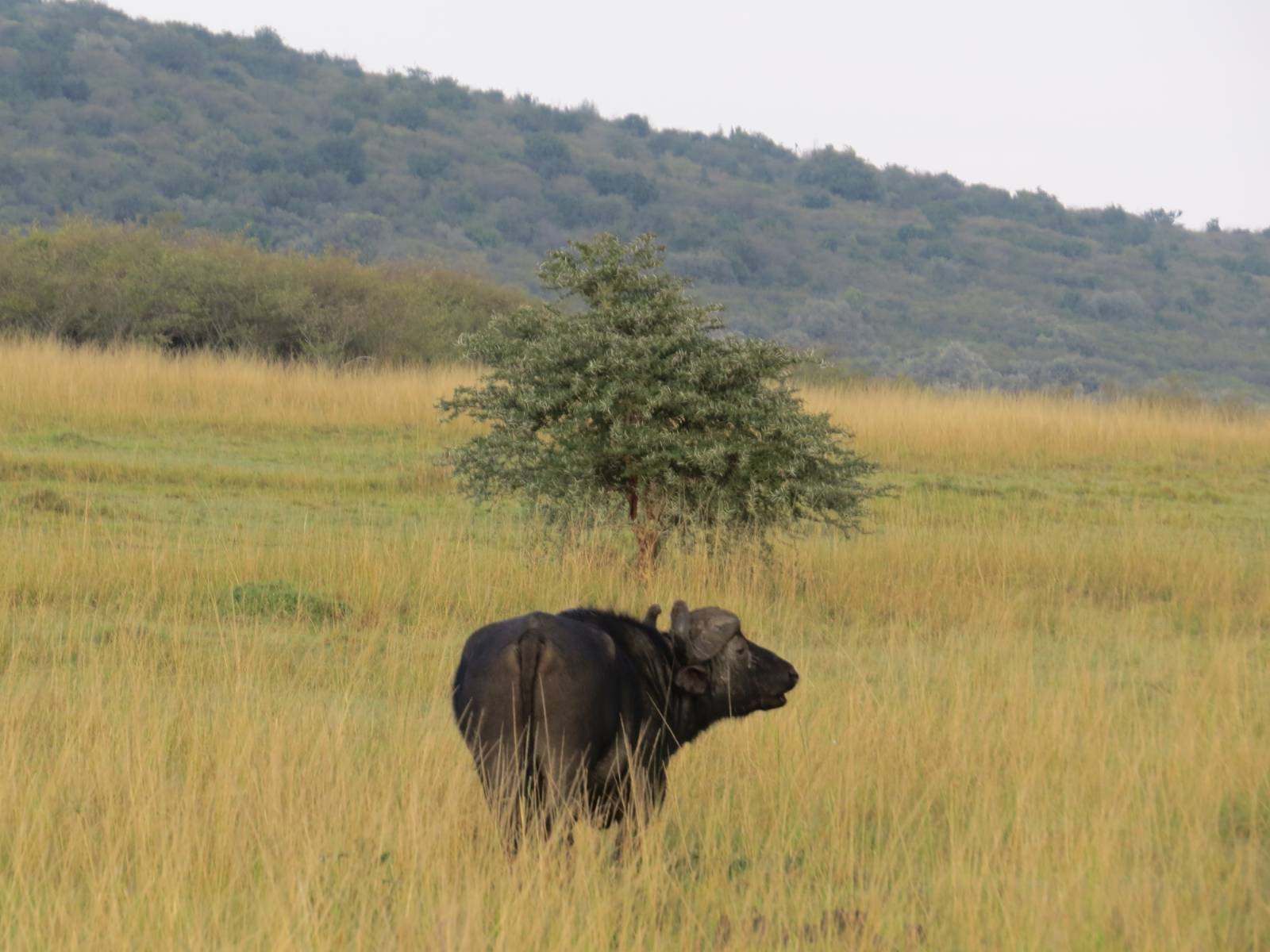
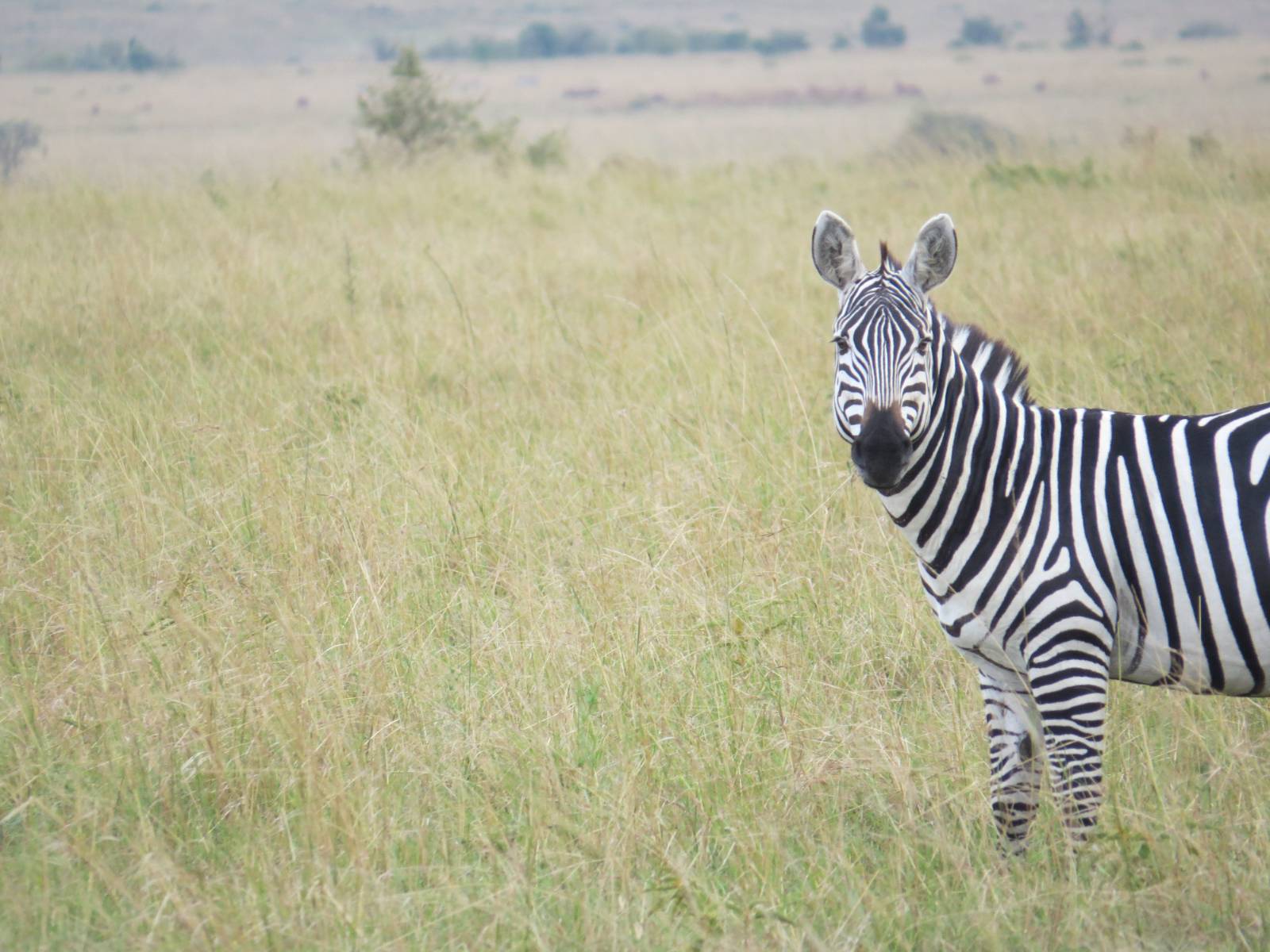
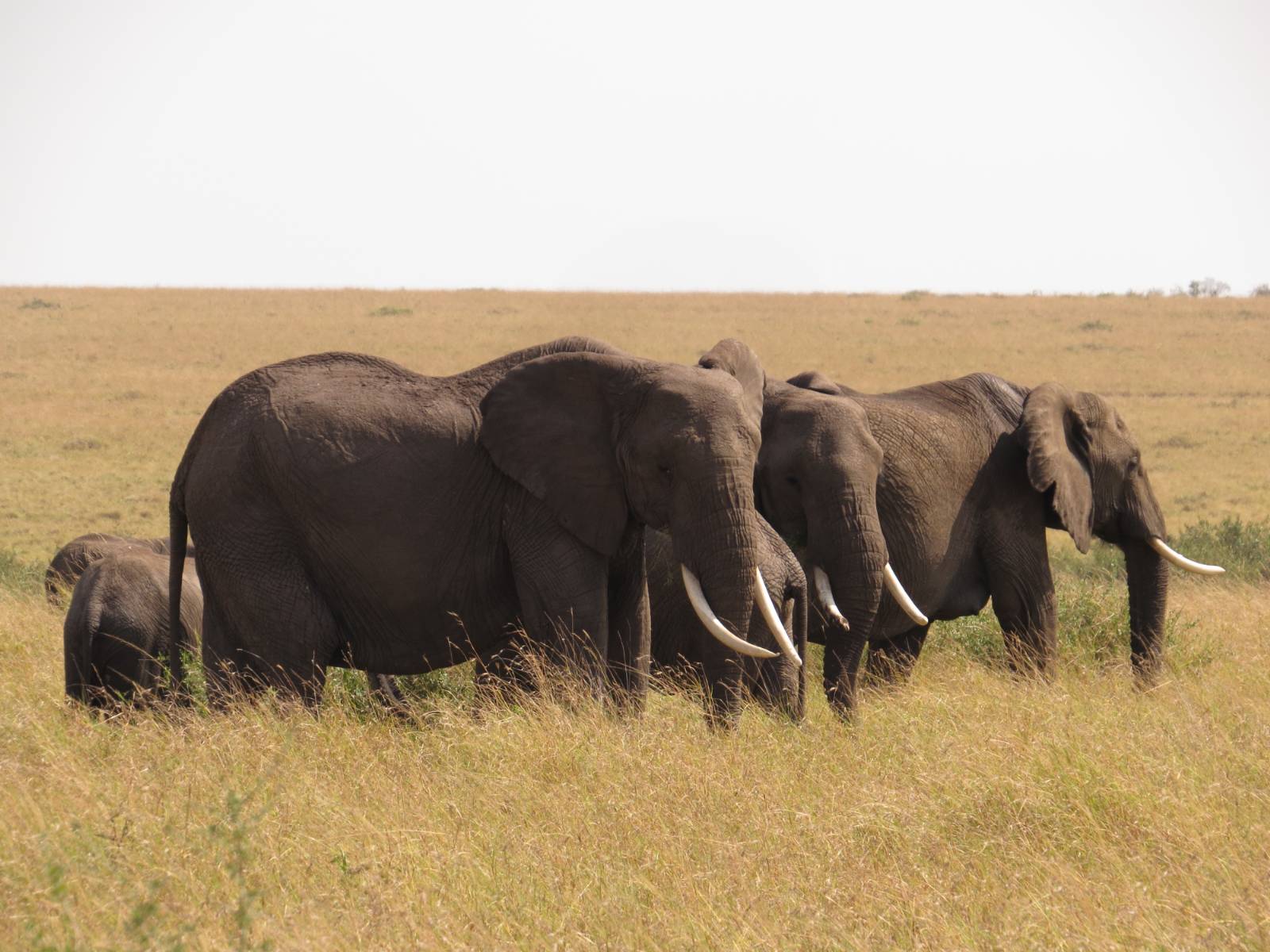
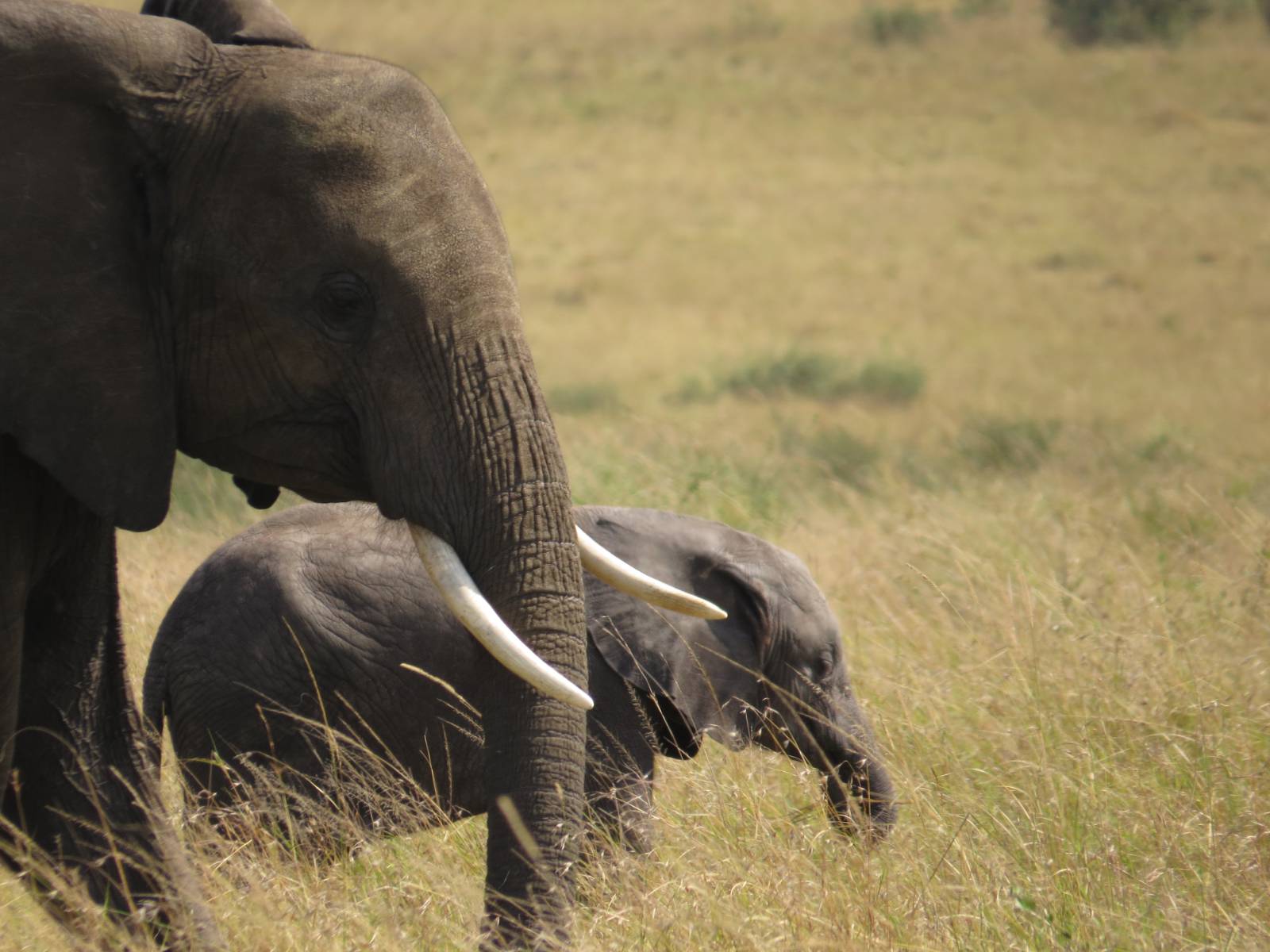
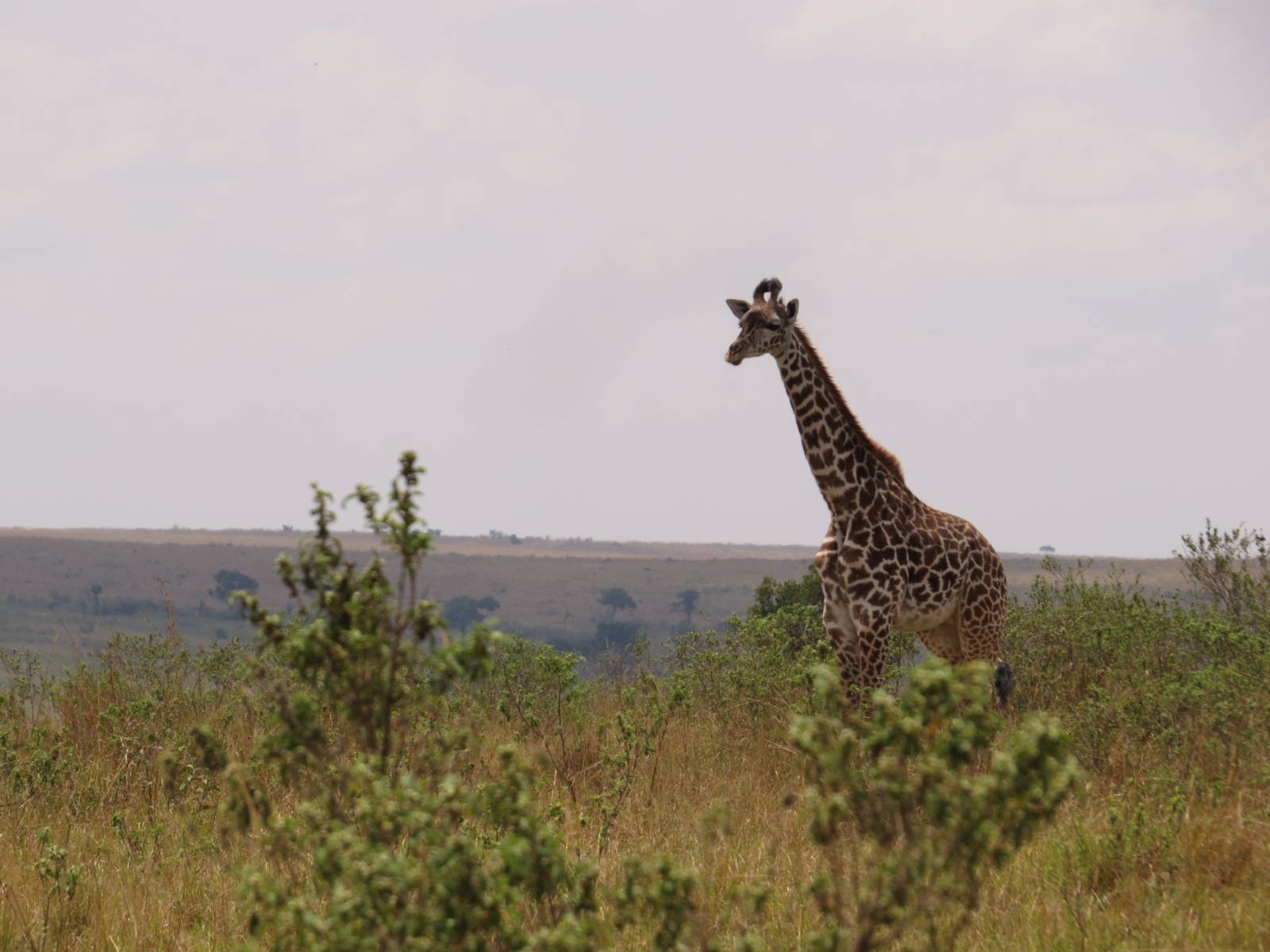
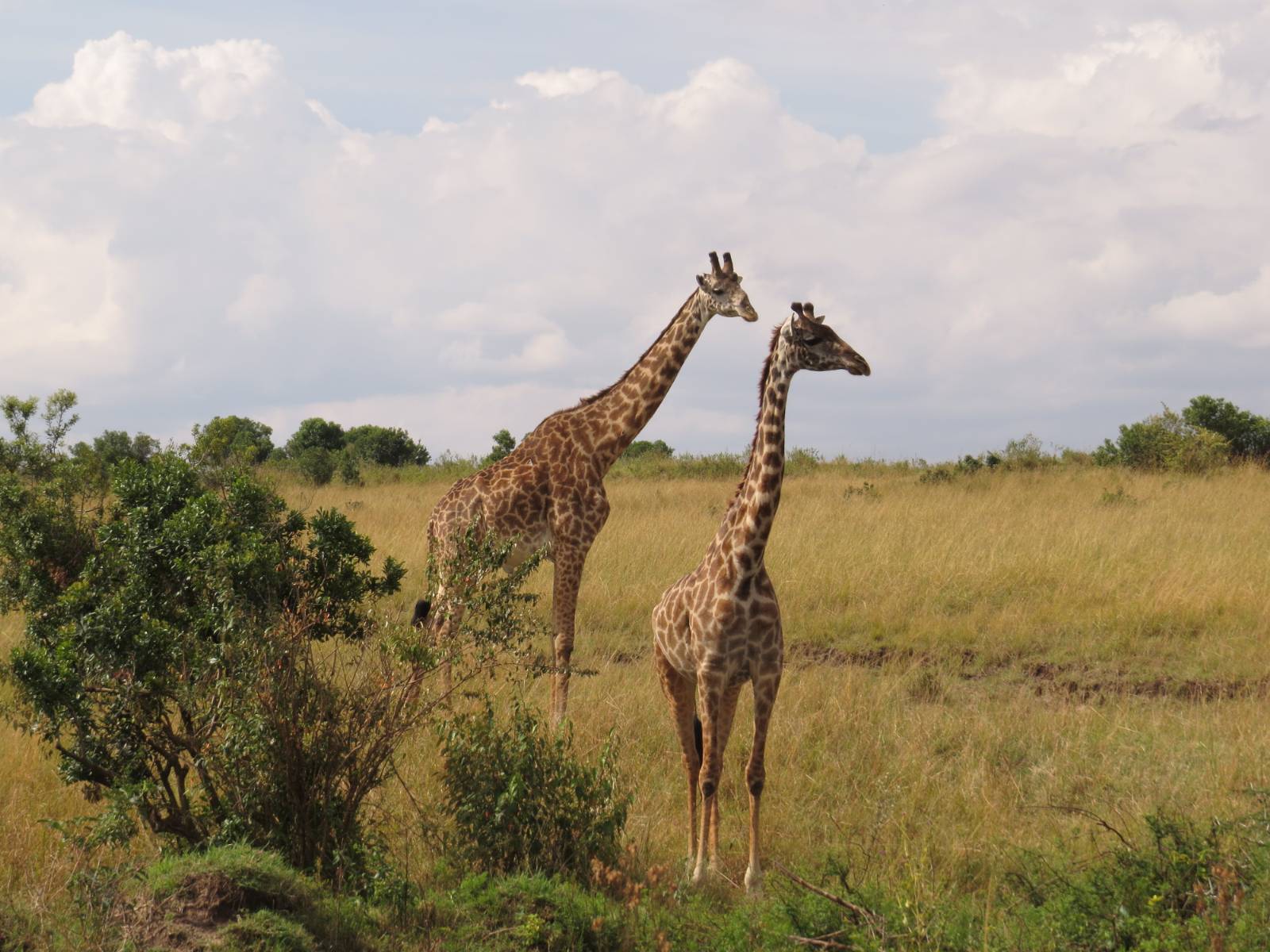
P.S. People sometimes ask if I actually took the photos myself. Unless I note a source or photographer, they’re all mine. (I like to think of myself as a small-but-loyal-fanbase kind of amateur.) And yes—any copyright violations, I will sue.



의견을 남겨주세요