
Local 1: “Mambo” (How’s it going?)
Me: “Poa” (All good!)
Local 1: “Karibu sana!” (You’re very welcome!)
Me: “Asante sana!!!” (Thank you so much!)
Me: “Hakuna matata.” (Everything will be fine.)
Local 2: “Hakuna matata, pole pole.” (Everything will be fine, just take it slow.)
⋮
Local 82: “Mambo”
Me: “Poa”
⋮
That’s how it went—and that’s why I loved it. From Moshi, at the foot of Kilimanjaro, to Zanzibar, out in the Indian Ocean. Welcome to Tanzania, the land of Mambo Poa!
Falling Happens in an Instant
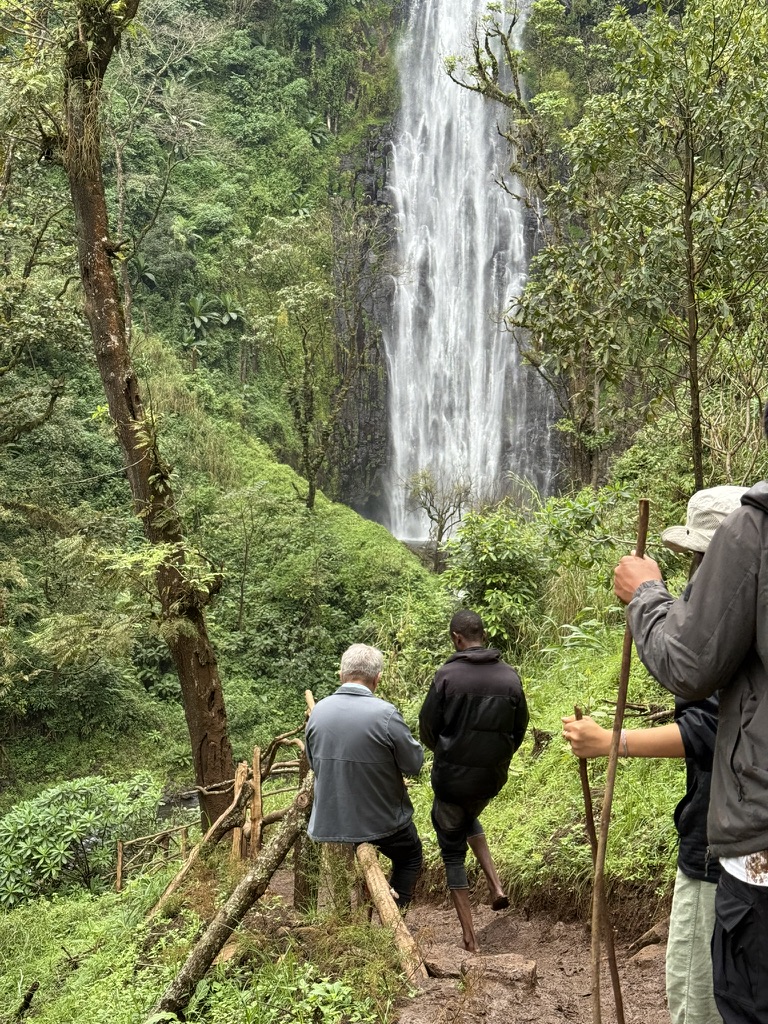
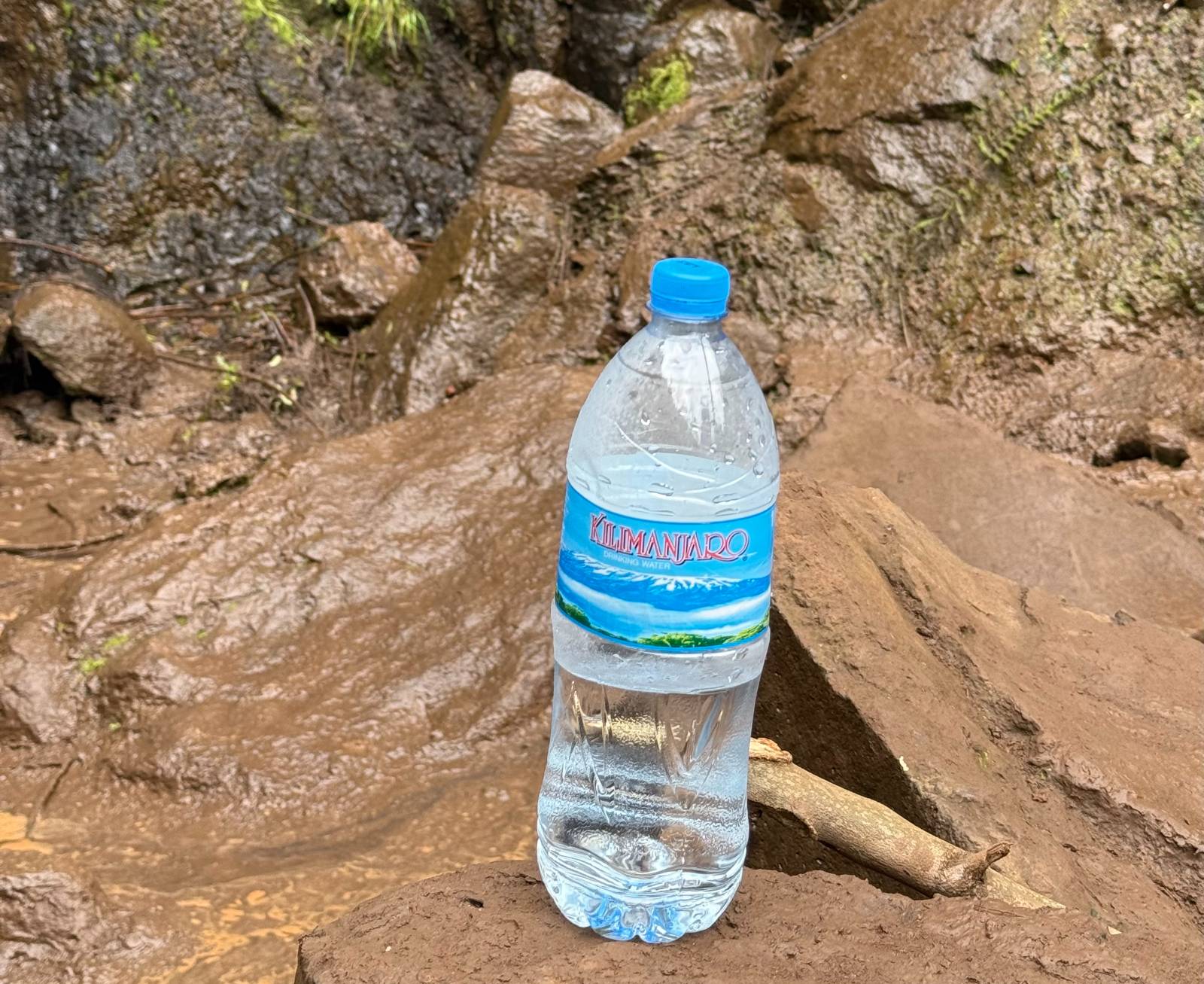
At the foot of Kilimanjaro lies Materuni Waterfall, a towering cascade reached by a hike that begins in a Chaga village. The trail is muddy and slippery—but that’s half the fun.
Slip—plop. Slip—plop. Within minutes I’d landed on my backside more than once. Falling happens in an instant. A reminder to stay humble, always.
Looking back, what I remember most from those two or three hours wasn’t just the waterfall itself, but the people along the way: the woman who handed me a walking stick at the start, the shopkeeper who lent me a pair of Crocs, and the villagers who greeted us with a smile every time we passed.
Putting Myself in Uncomfortable Situations
Subtitle: Shouting “Help” and “Don’t touch” at the top of my lungs in the street.
What’s your worst travel story? Until recently, mine was the time I gulped down a cup of orange juice full of maggots in Turkey. But that record was broken here, in Arusha.
[The Arusha Chase]: The time we ran with backpacks on, chased by a guesthouse staff member who tried to lock us inside with an iron gate.
Here’s what happened. After checking out, we left our bags at the guesthouse with the owner’s agreement. When we came back, she suddenly demanded another night’s payment, claiming she couldn’t take new guests because of us. With our bus departure closing in, we paid just to get out. But things escalated—shoving, yelling, and a crowd gathering around. It turned into a scene I’ll never forget.
Fights are uncomfortable, sure—but even worse are cockroaches. The bus I barely managed to catch turned out to have them as fellow passengers.
— On the bus to Dar es Salaam, 08/20/2025 —
Definitely cockroaches… but I tried to pretend I didn’t see them. I saw nothing. NOTHING. If there really is a Creator, I’d like to ask: Why did you make cockroaches? And again, I thought back to the idea of putting myself in uncomfortable situations…
— 08/26/2025 —
Honestly, I get scared. I’m nervous all the time. I wish I could be the kind of person who doesn’t tremble and just enjoys everything 100%. But as an Asian traveler in places where I stand out, my self-consciousness spikes. Even something as simple as getting on a bus. I worry 200% about how I’ll look, making sure I don’t do anything that clashes with local culture. I expose myself to uncomfortable situations because I want to stop being so careful. But maybe I’m not there yet—or maybe I never will be. Maybe it’s just my temperament. Still, if self-denial eventually leads to self-acceptance, then maybe my strength is being someone who keeps trying, who learns through mistakes. Who knows—one day I might just turn into someone fiery, like a bowl of buldak.
Welcome to Zanzibar—
Back in [The Arusha Chase], there was a bystander who sided with the guesthouse staff and even translated for her. He told us, “Don’t call the police, just pay up,” and then turned to me: “God will pay you back.” At the time, I thought, What nonsense…
But here’s the twist: after 24 hours on the road, I arrived at a guesthouse in Kendwa, Zanzibar, and they gave me an extra night for free. I’m almost non-religious, but I have to admit—little coincidences like that feel strange, in a good way.
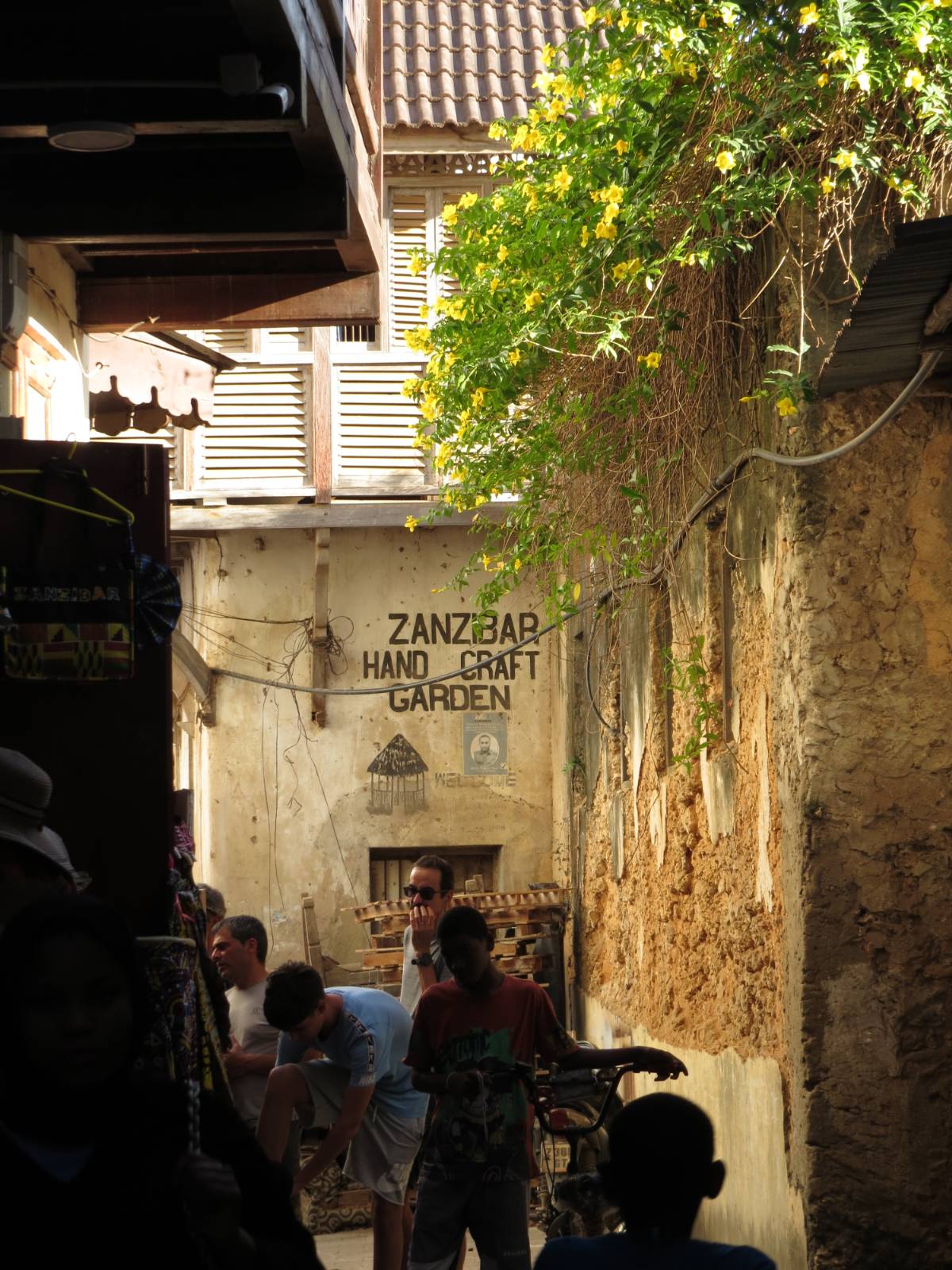
Today’s Tanzania is actually the result of two regions coming together. The mainland, Tanganyika, and the island of Zanzibar were once separate countries. In 1964, they united, and the name “Tanzania” was born.
Because of this history, the two regions still show cultural differences. The mainland has a large Christian population, while Zanzibar—shaped by centuries of Arabian trade and Islamic influence—remains predominantly Muslim. You can feel the contrast in the streets, in the clothing, and in the rhythm of daily life.
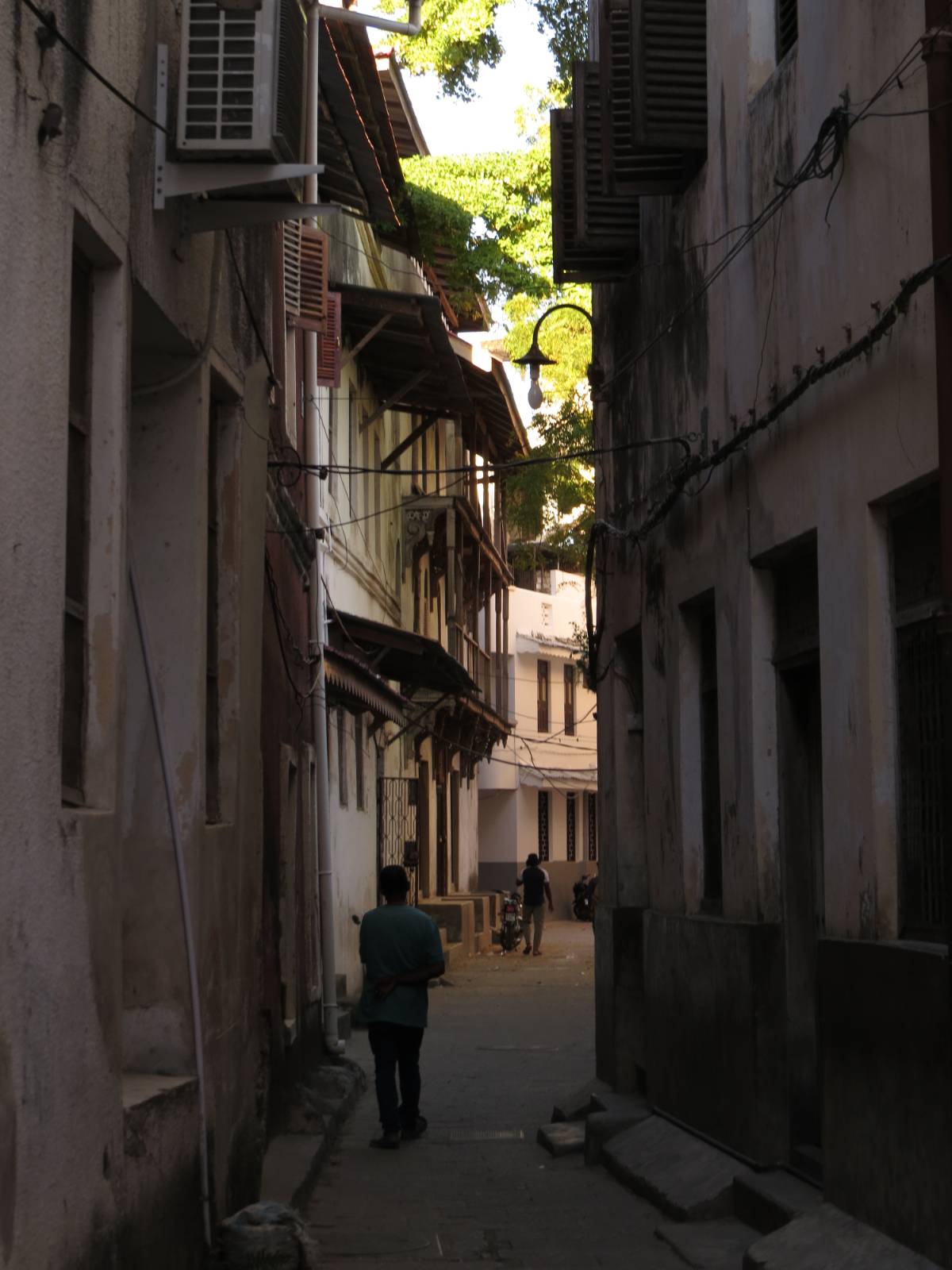
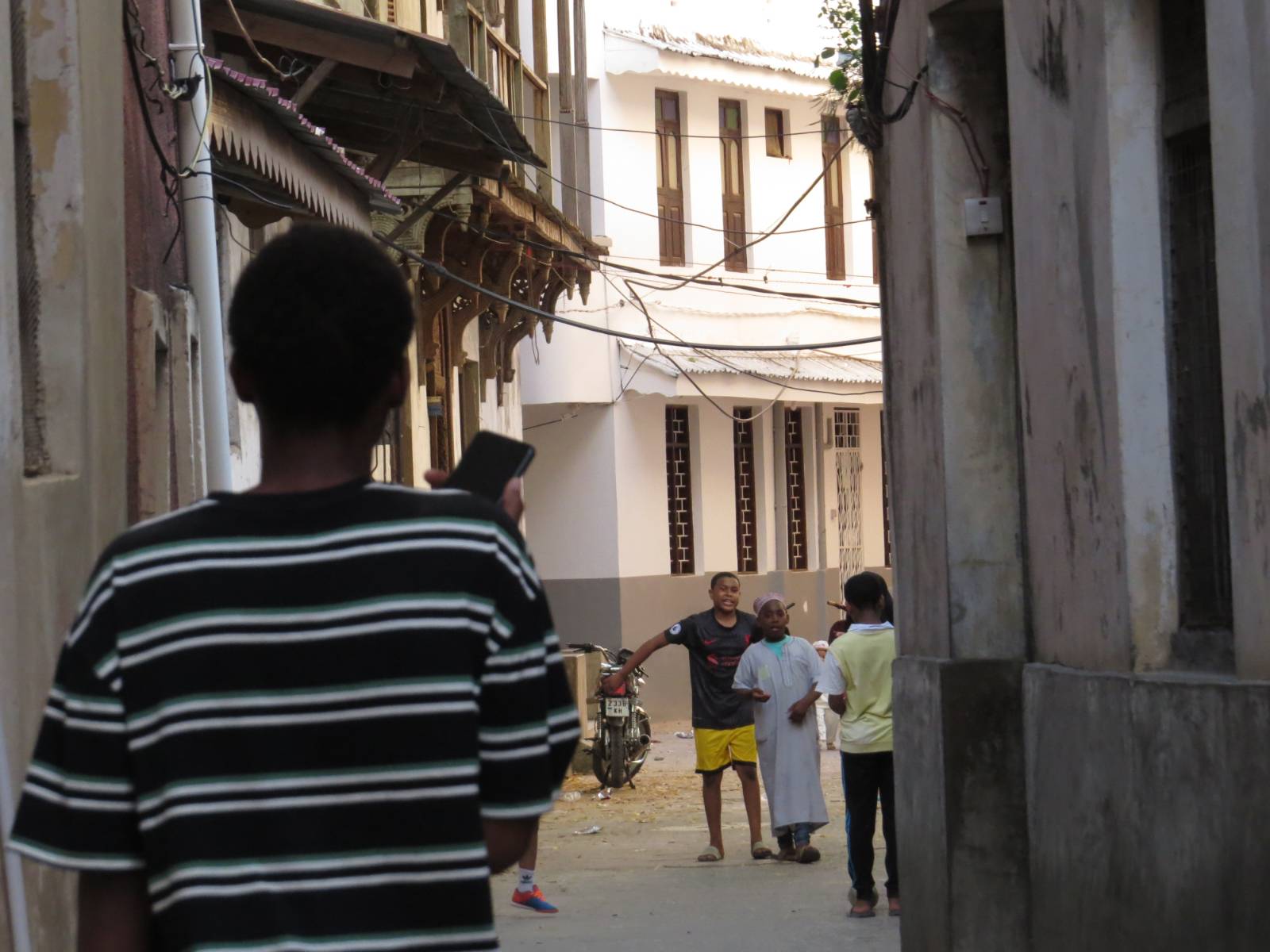
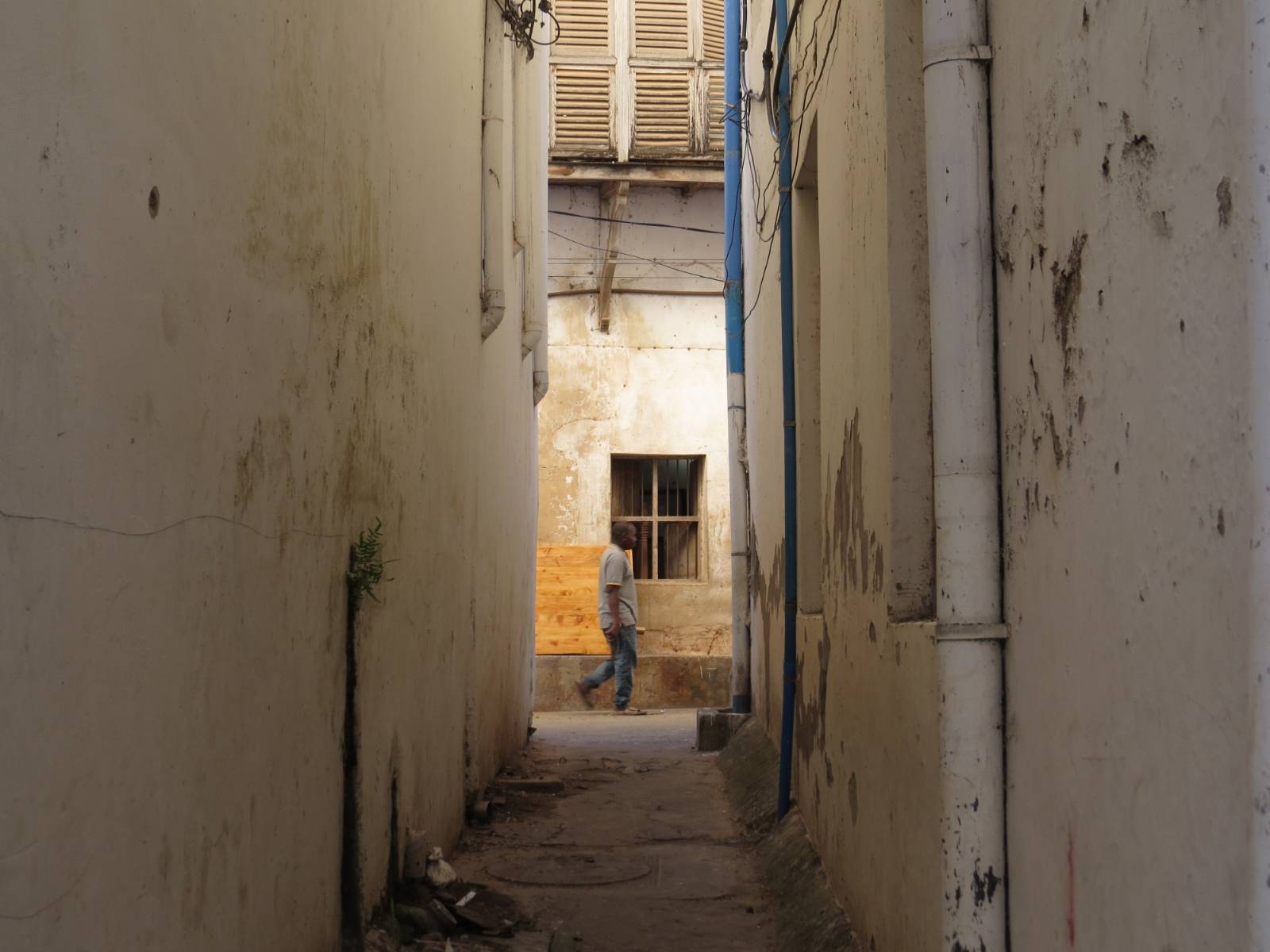
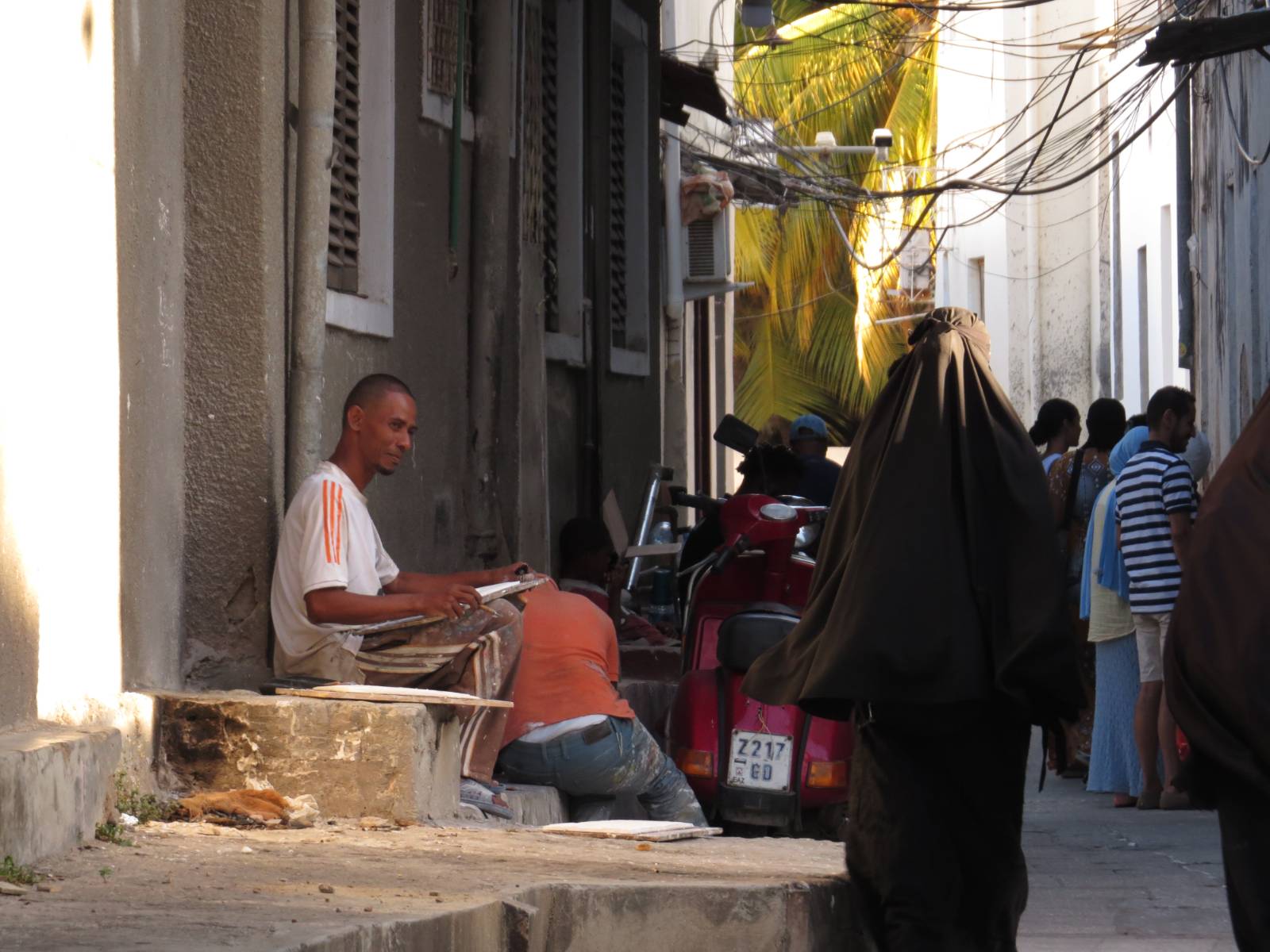
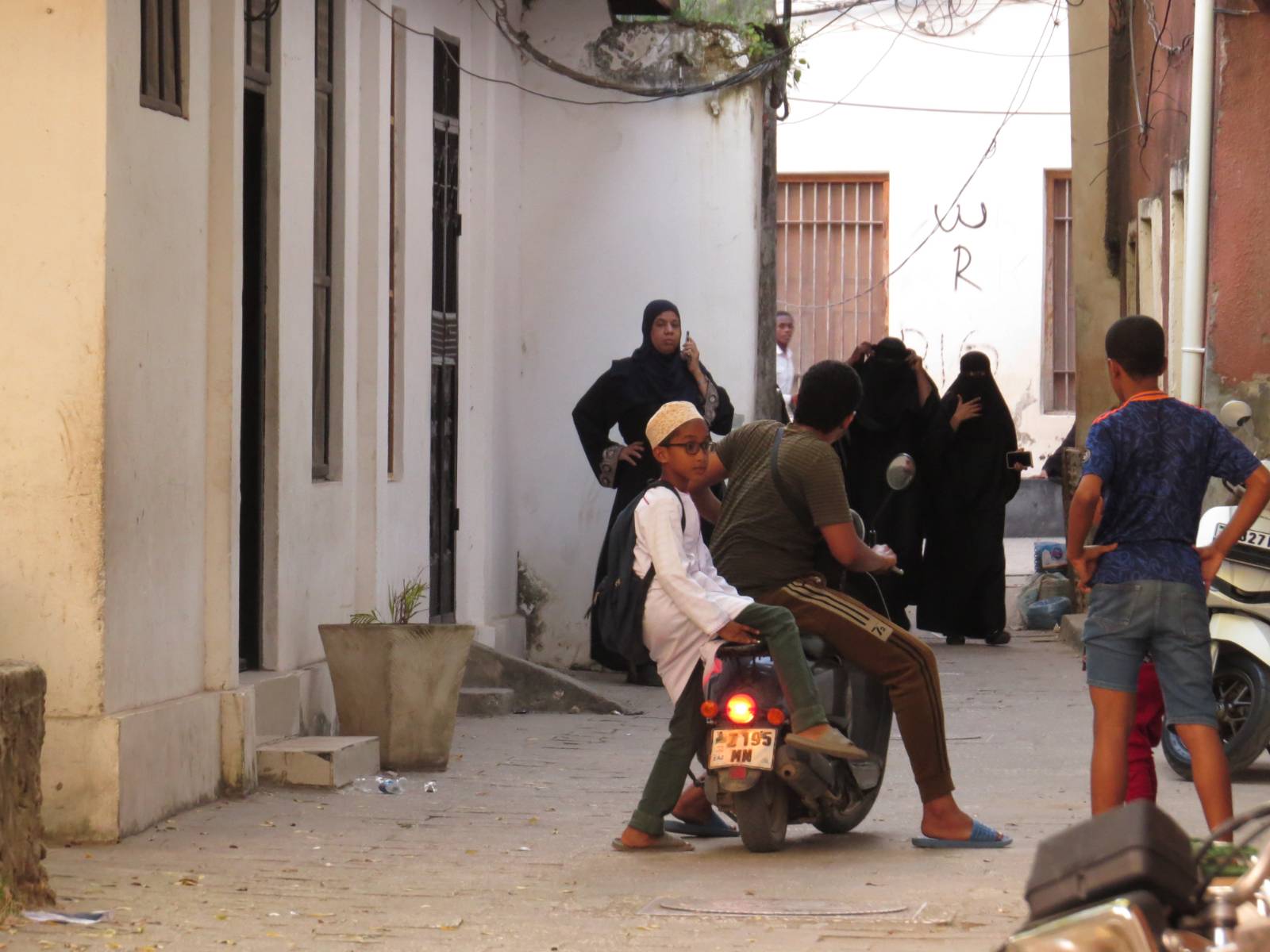
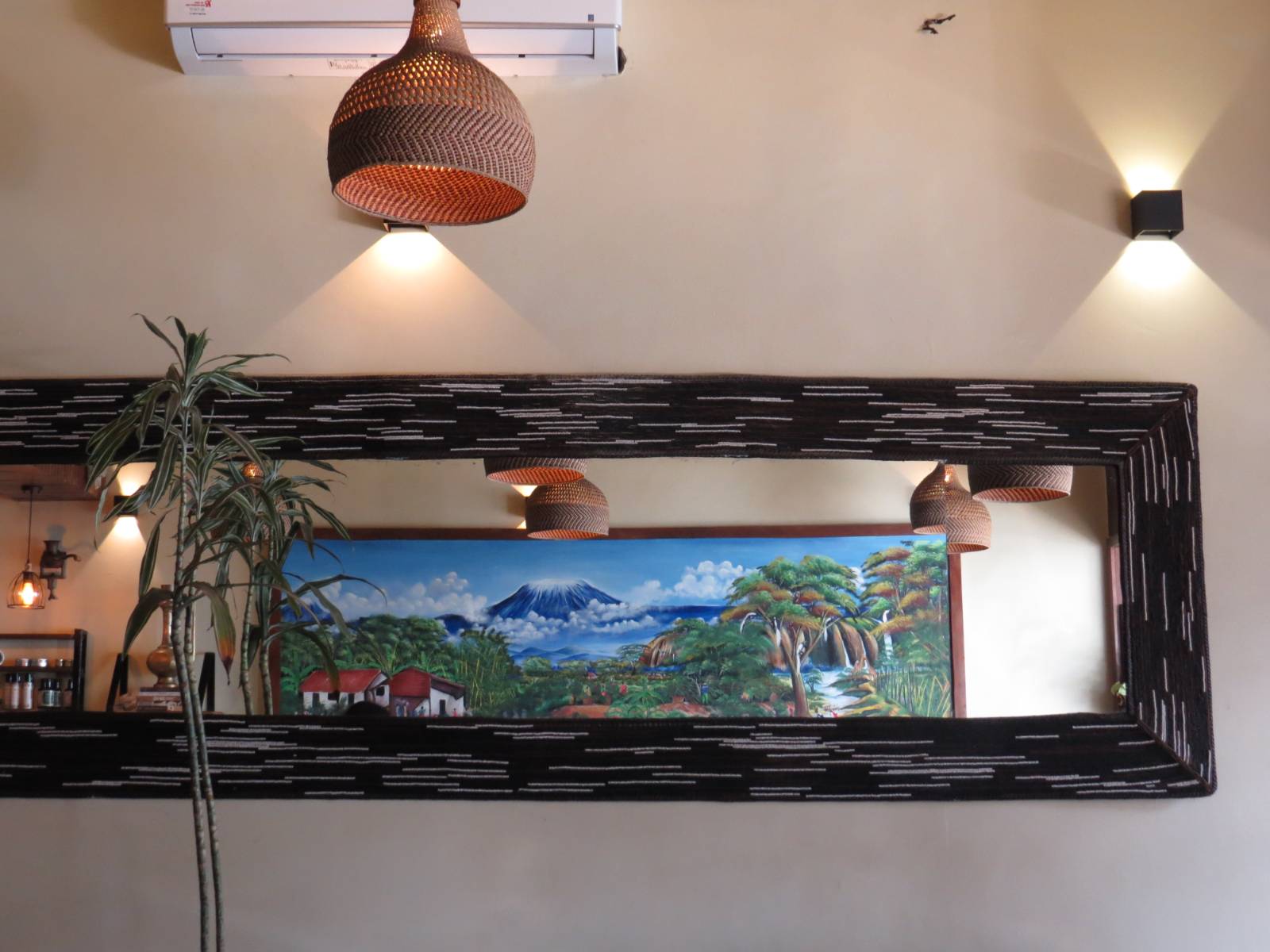
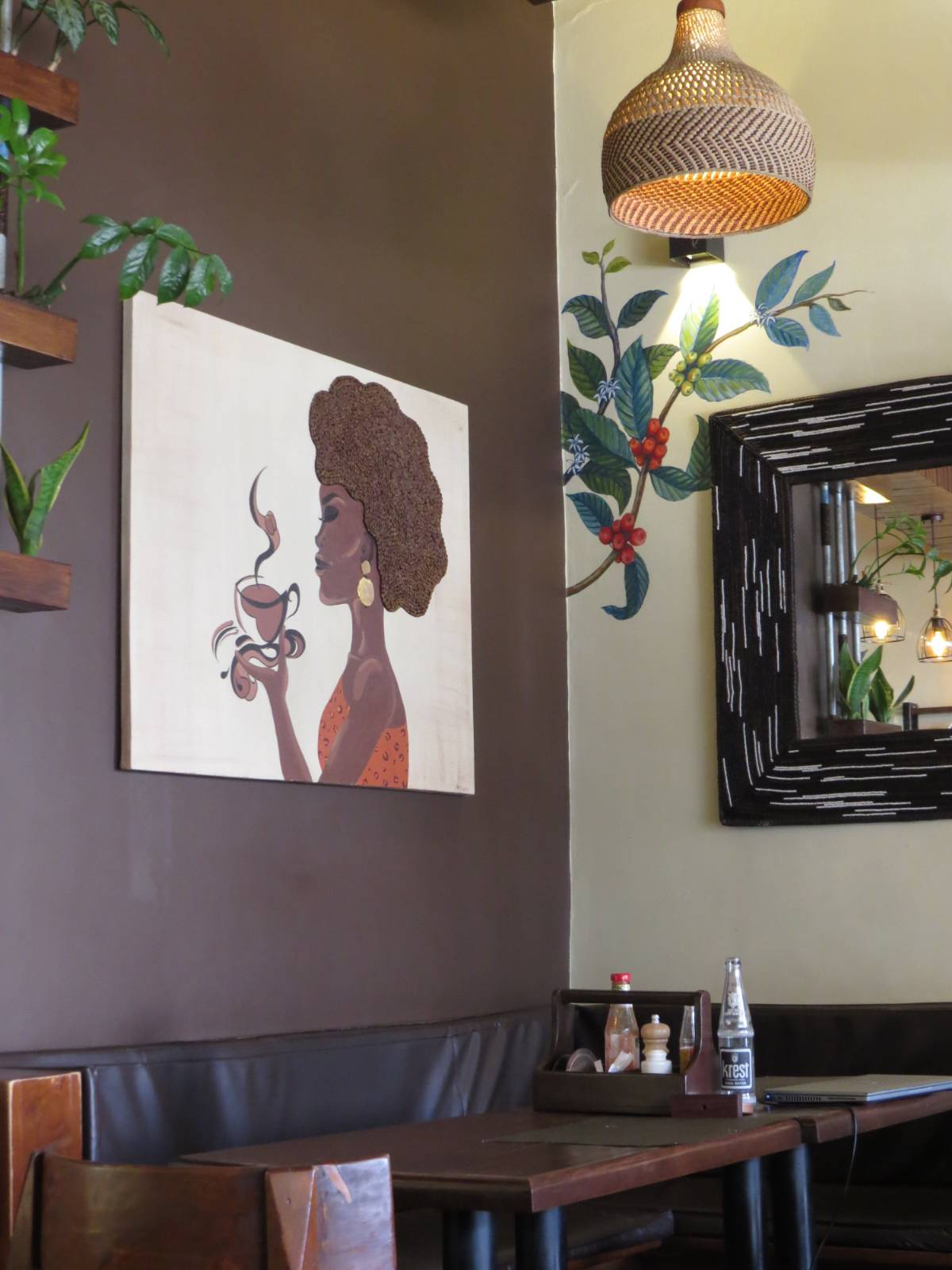
📍Zanzibar Coffee House
While staying in Stone Town, I found myself at Zanzibar Coffee House almost every day. The coffee there had a pleasant brightness and a light body.
Tanzania is one of Africa’s major Arabica coffee producers, yet to be honest, I didn’t often come across cups on my trip that made me think, Wow, this is amazing. Still, the coffee here was good—more than good enough to start the day.
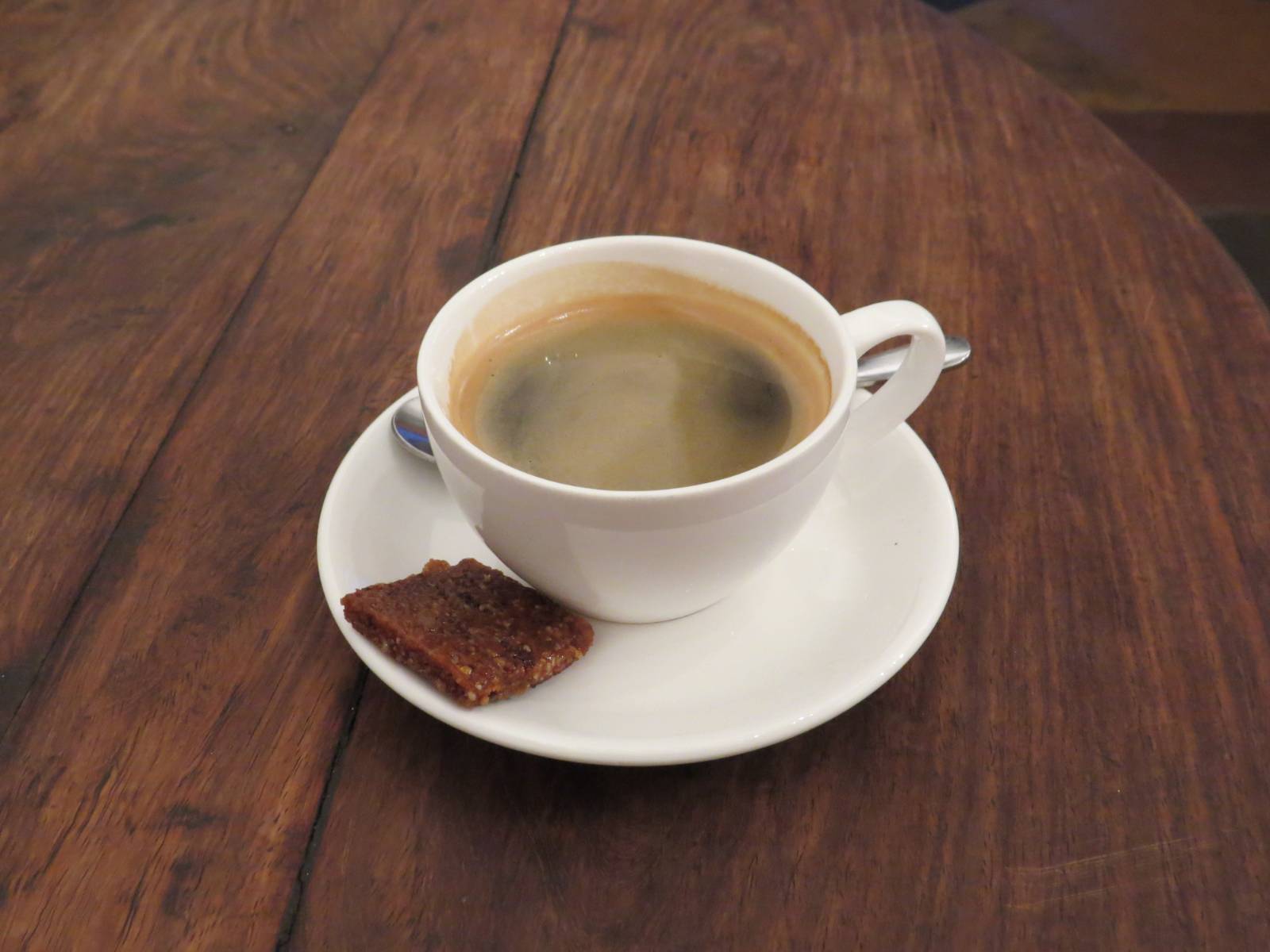
Zanzibar is full of its own kind of energy. Of all the African countries I’ve visited, it felt the most alive. I must have sung “Jambo, Jambo Bwana” a hundred times a day. The moment you start singing it, everyone around you joins in. Even if you’re upset, once you hear it, you can’t help but sing along.
— 08/28/2025 —
On the road from Stone Town to Paje, I squeezed into a dust-covered dala-dala. Just when I thought, There’s no way more people can fit in here, more people got on. And then more. Faces all around me were so expressive.
Two babies slept, completely knocked out, drooling away. A young man woke one of them and started mimicking the baby’s face as he wiped the drool—it was fun just to watch. At one stop, a baby left behind a single shoe, and everyone crammed into the seats began craning their necks, searching for it together. That too was oddly entertaining.
I couldn’t help but think—how would this have played out in Korea? Then again, in Korea you’d never end up this tightly packed in the first place.
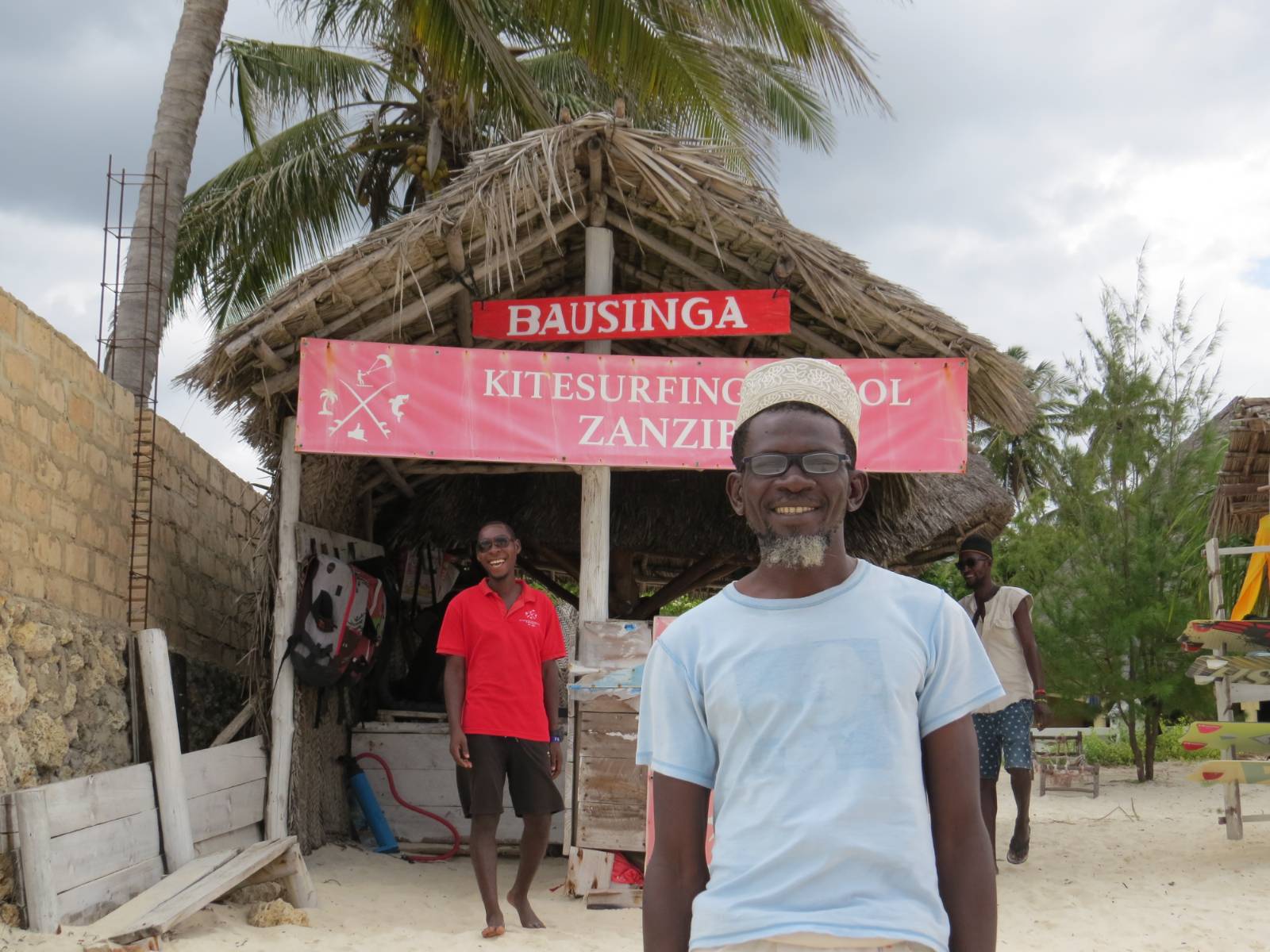
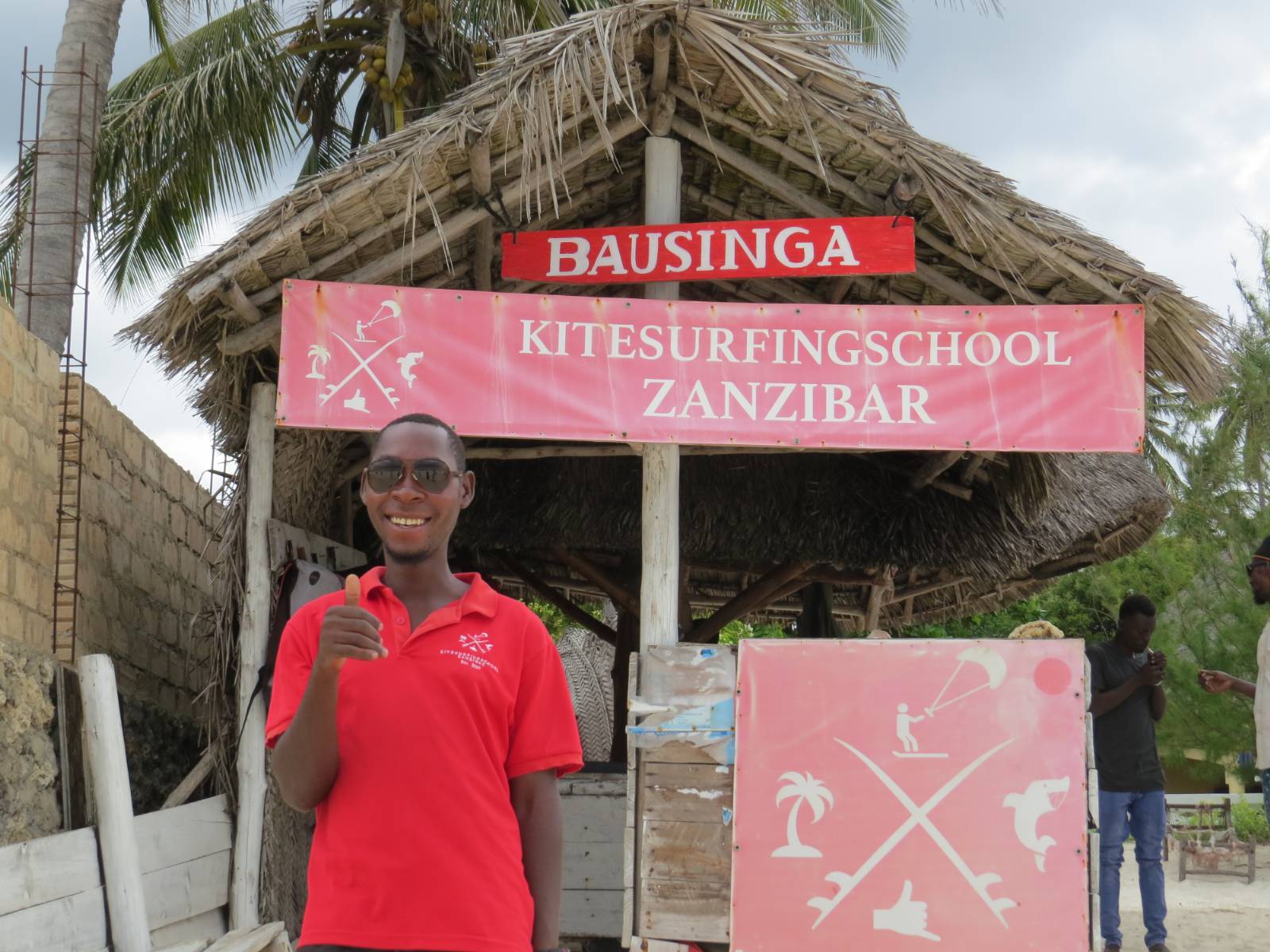
📍BAUSINGA Kitesurfing School Zanzibar
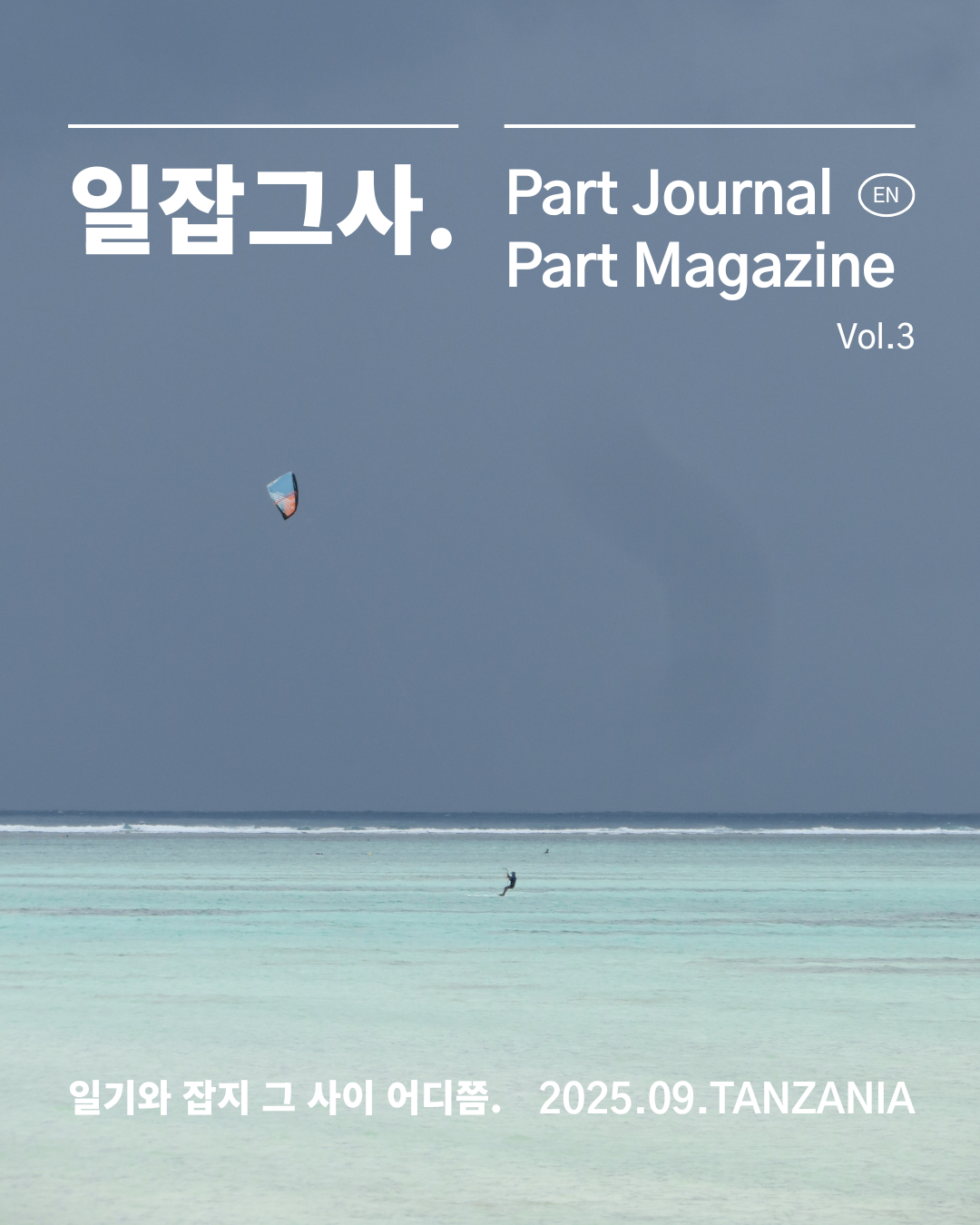
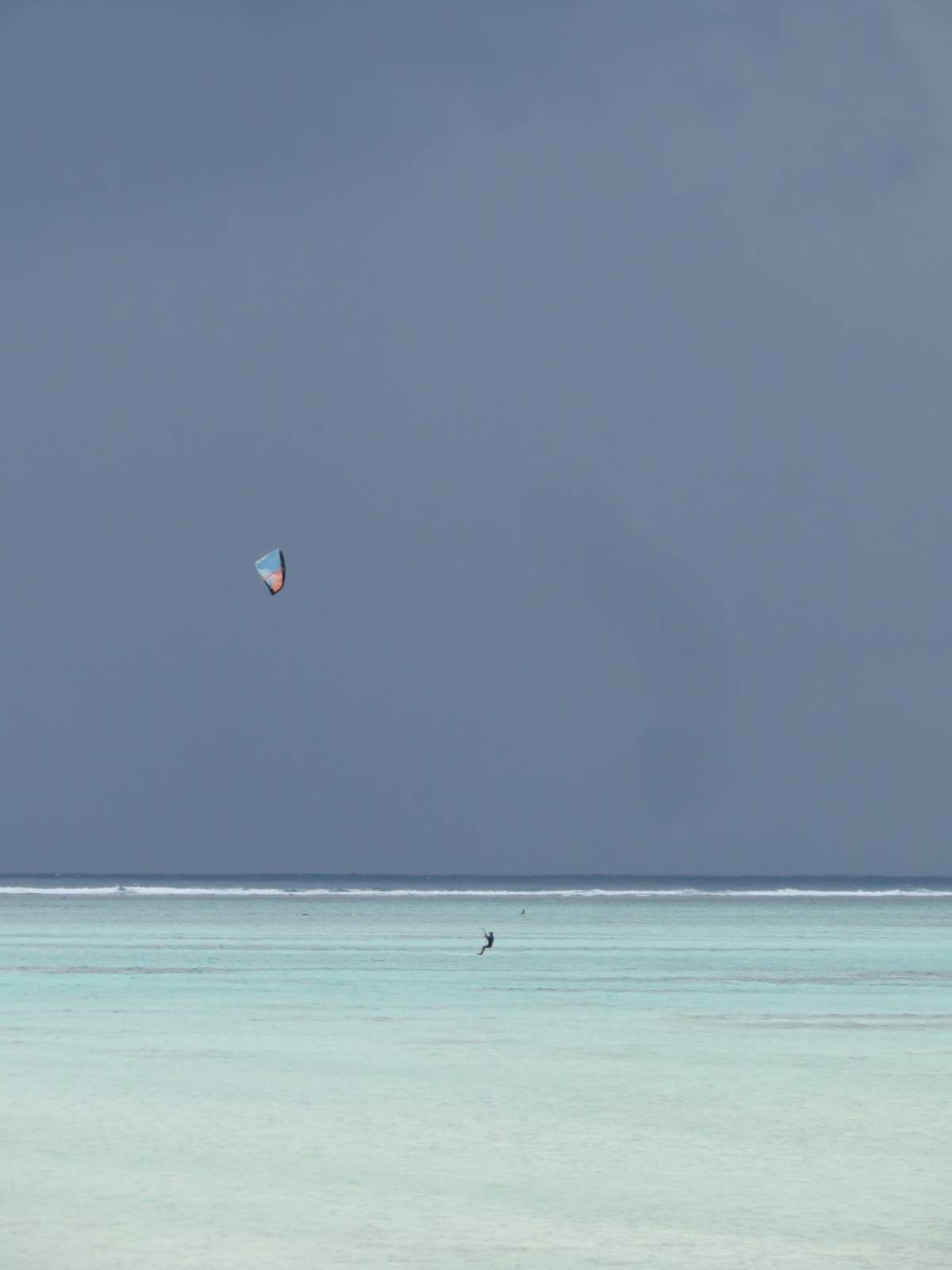
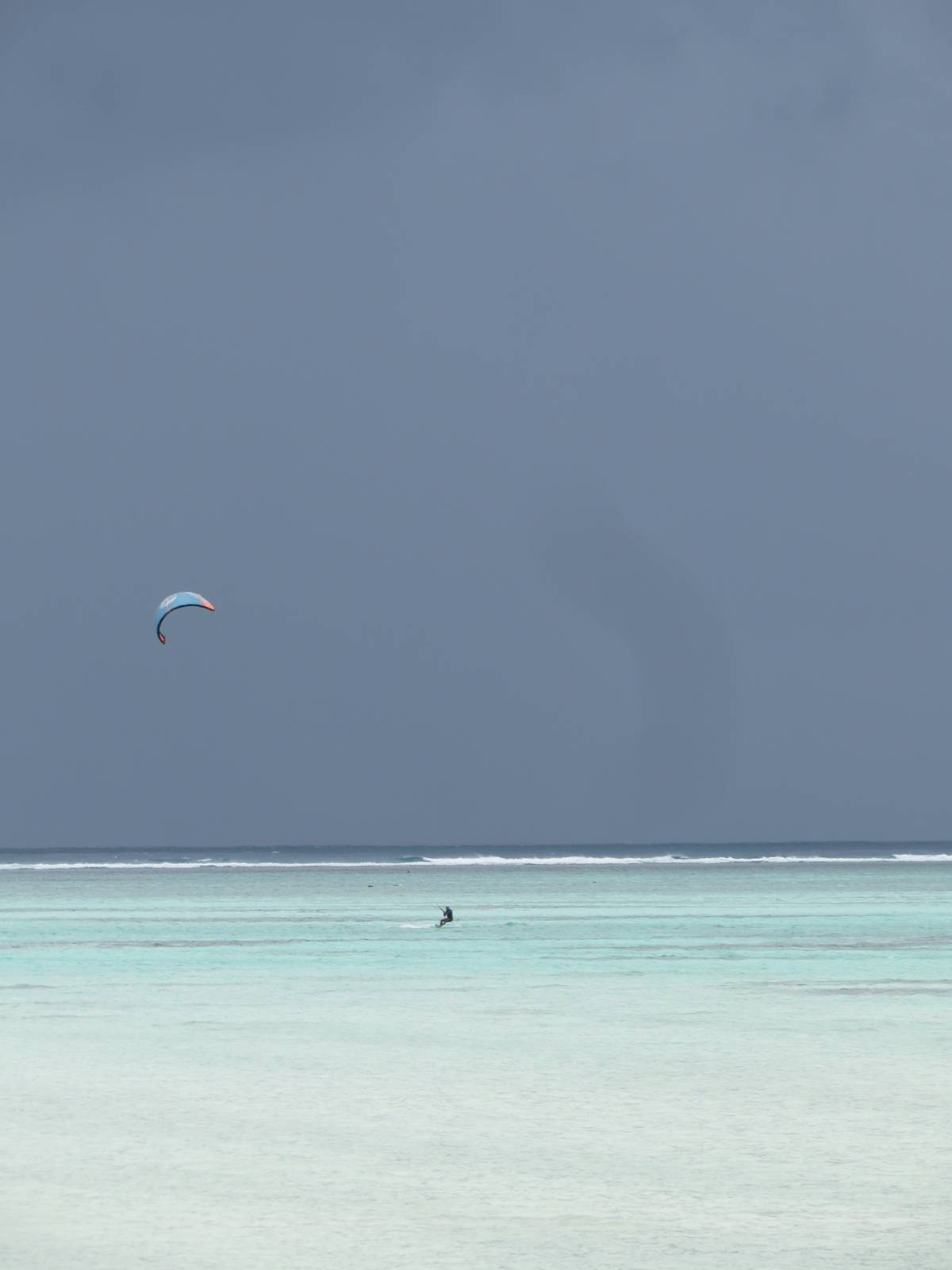
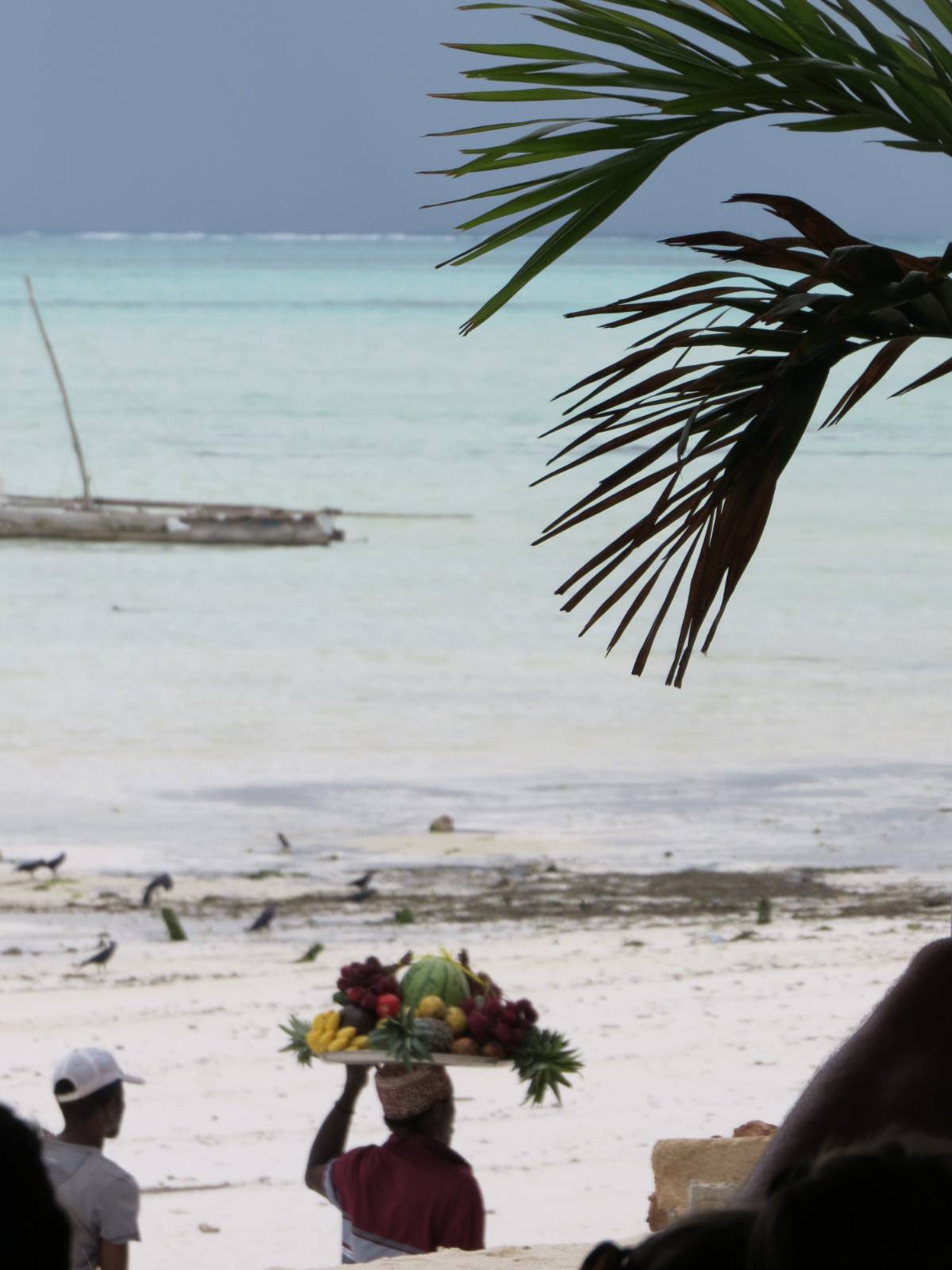
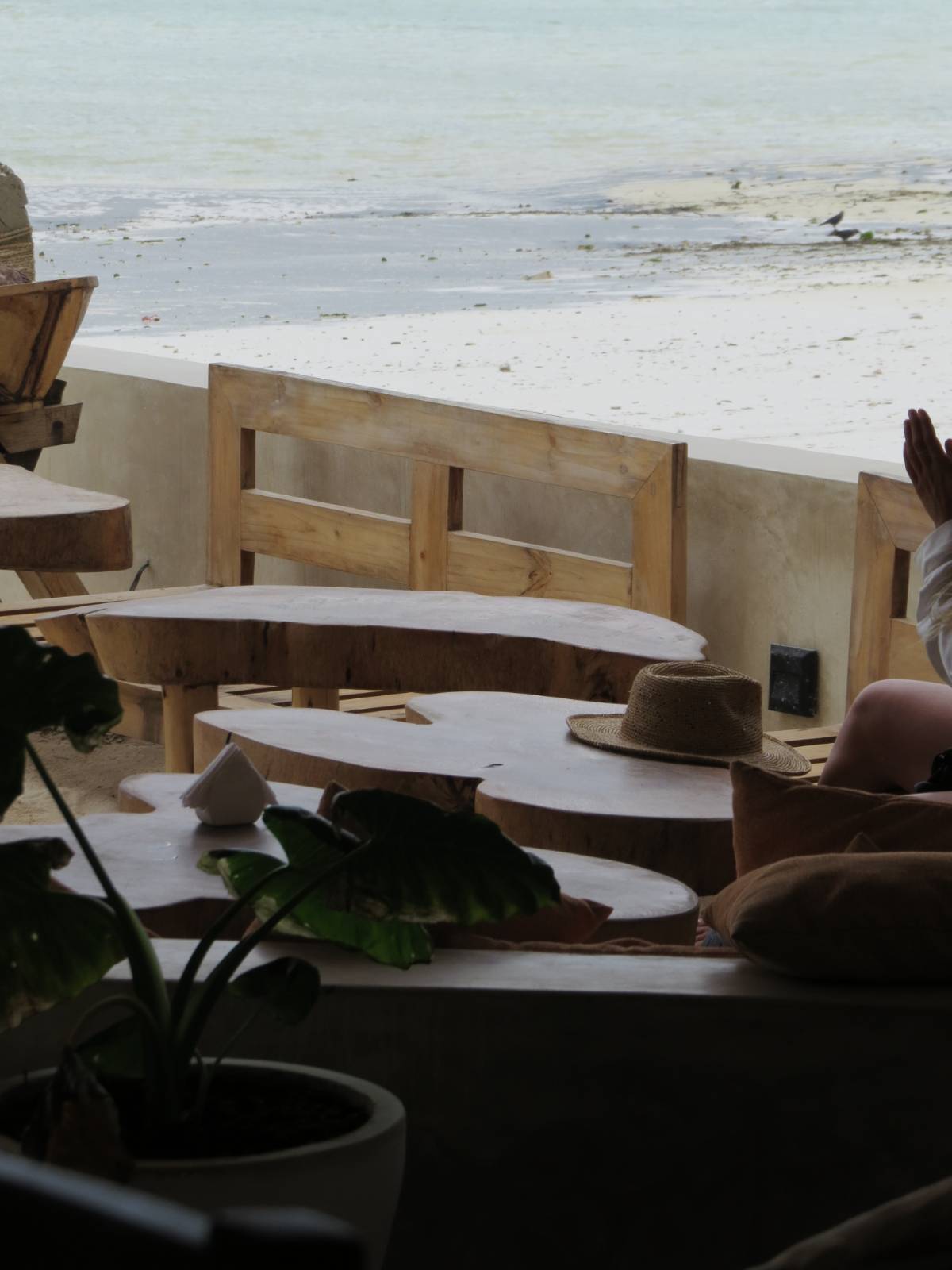
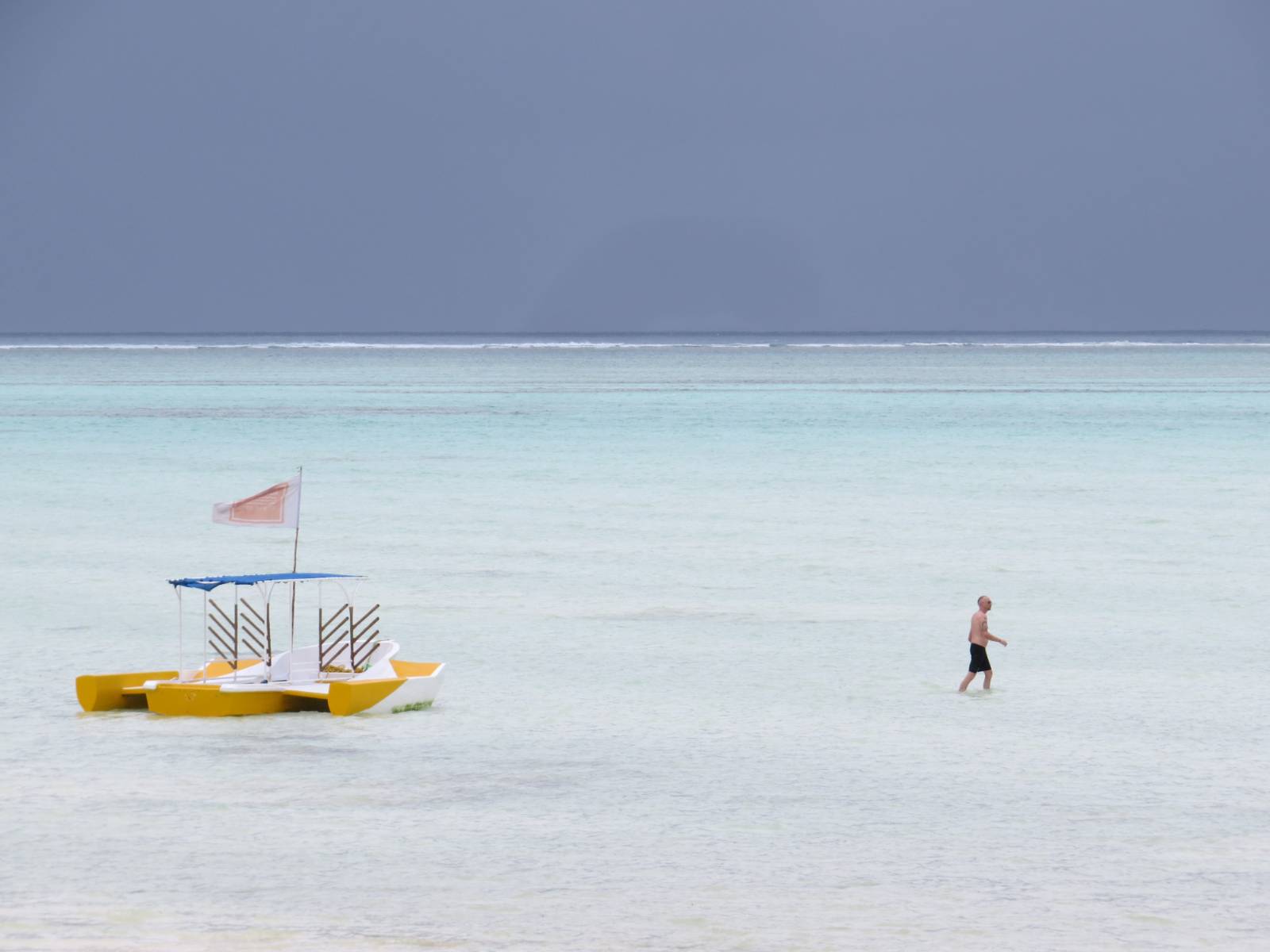
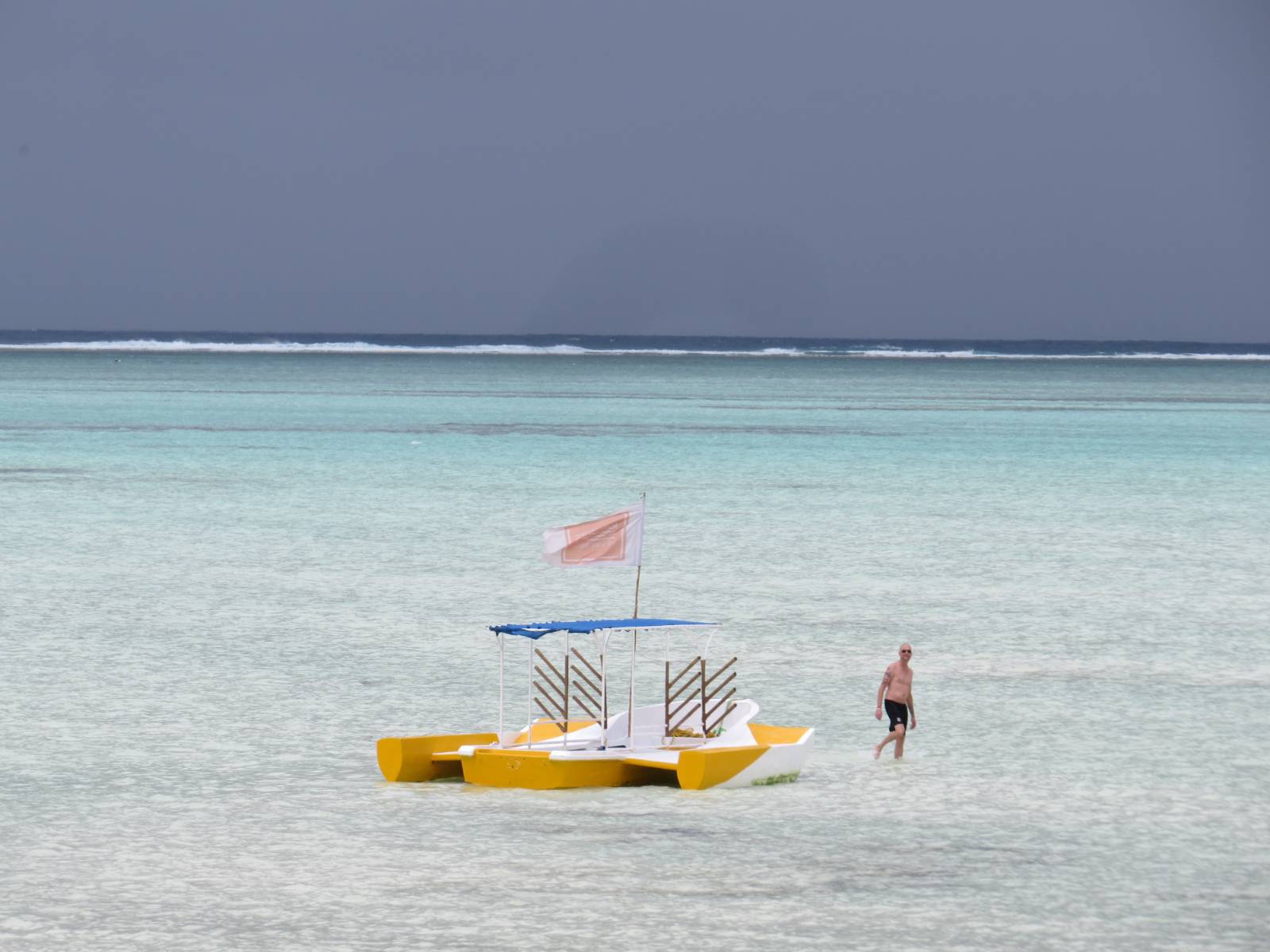
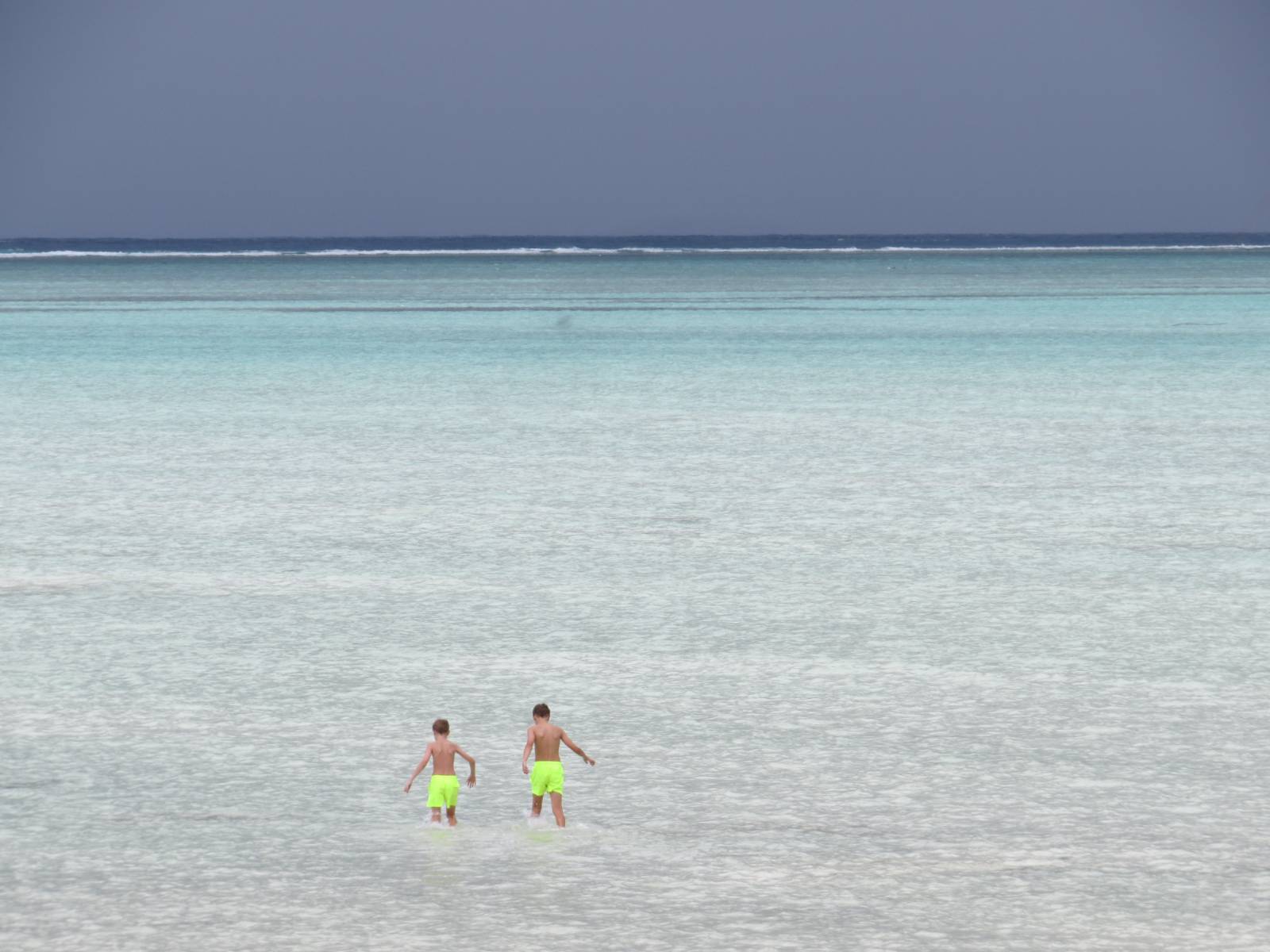
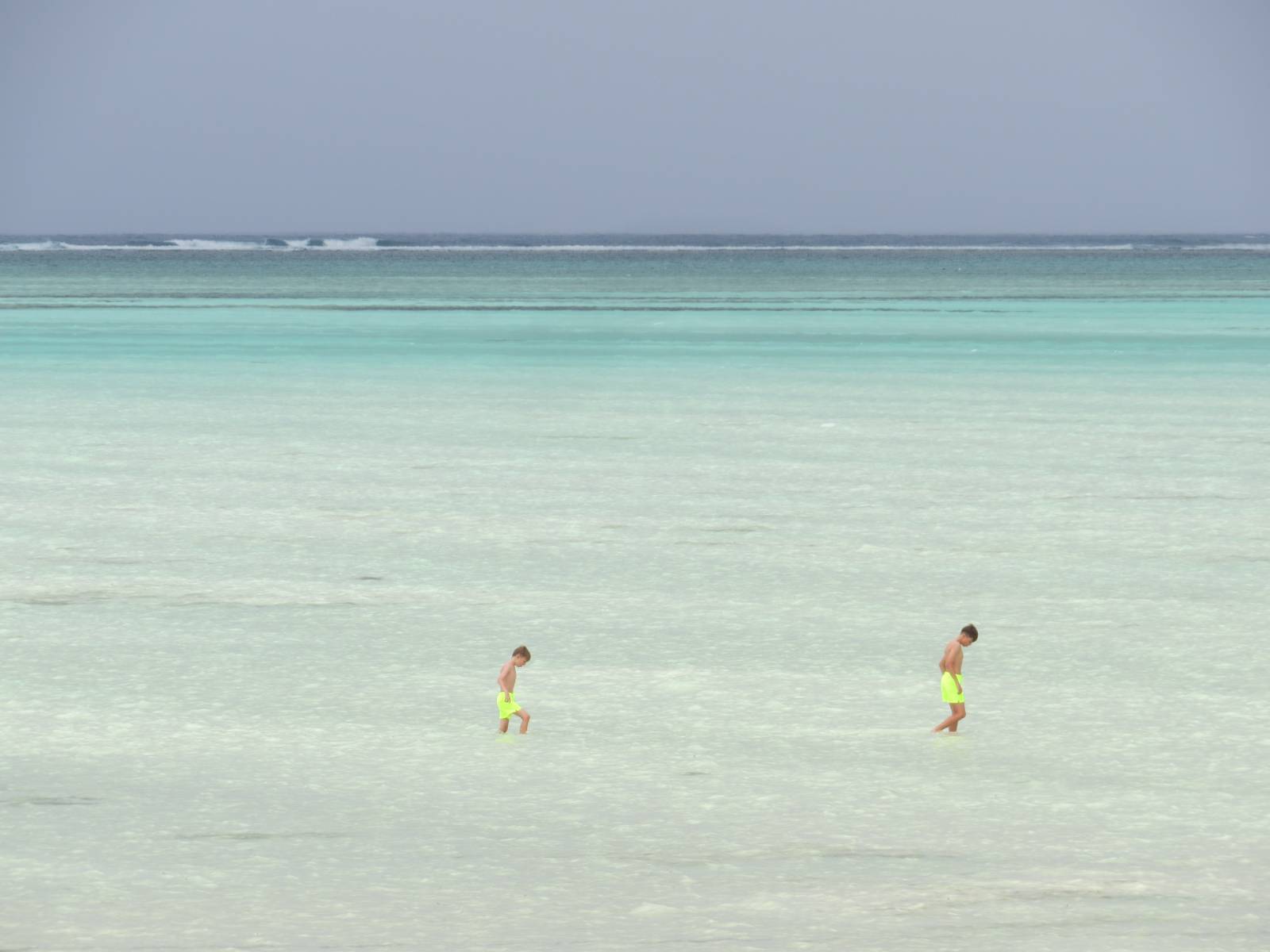
Paje, on the southern coast of Zanzibar, is famous for its steady winds and shallow waters—making it a mecca for kitesurfing. The beach is lined with schools offering lessons, and travelers from all over the world skim across the waves, carried by the wind.
I signed up for a beginner’s course and learned the basics, but on the second day the wind never came, so that was as far as I got.
The Tingatinga Style
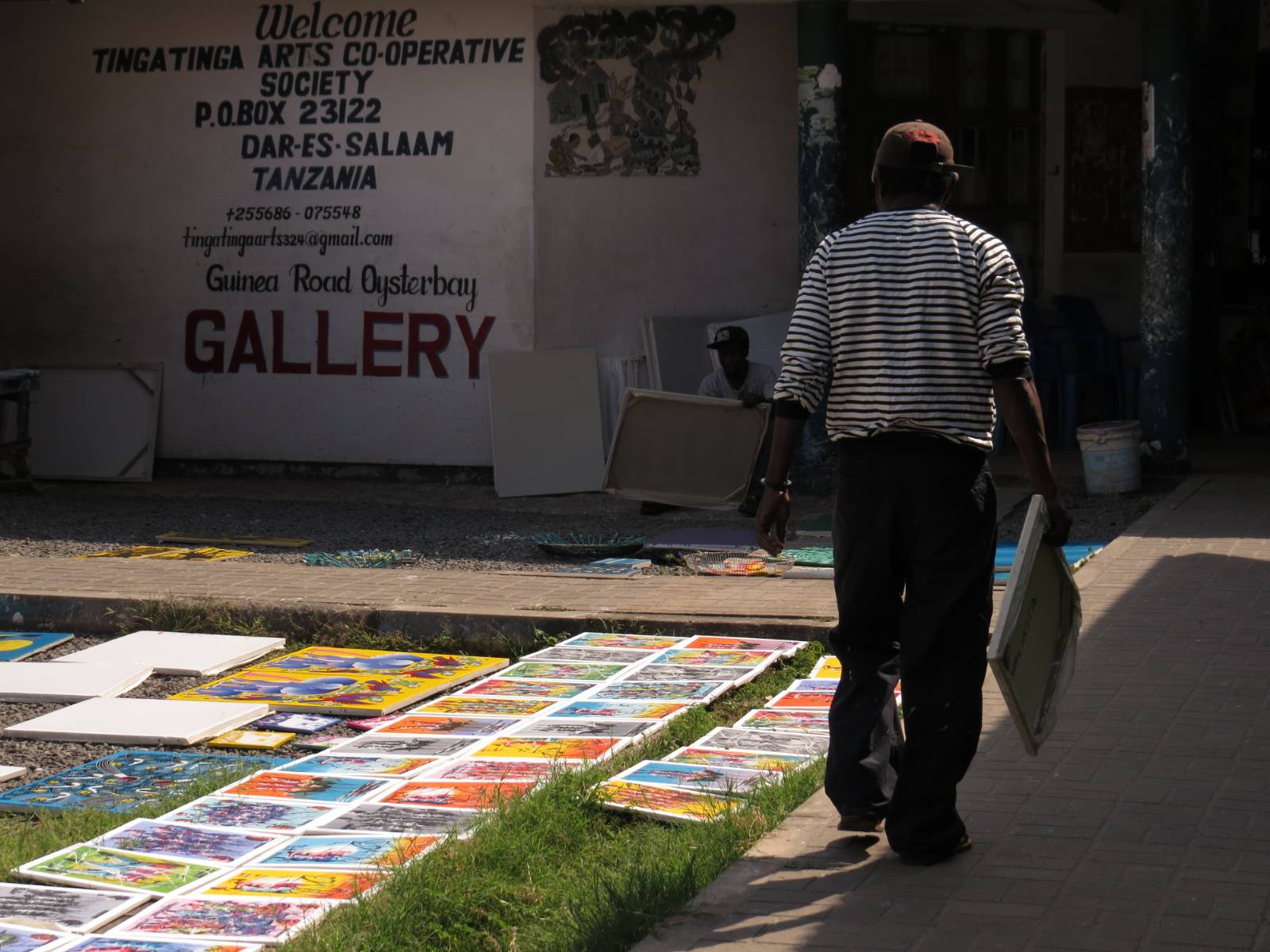
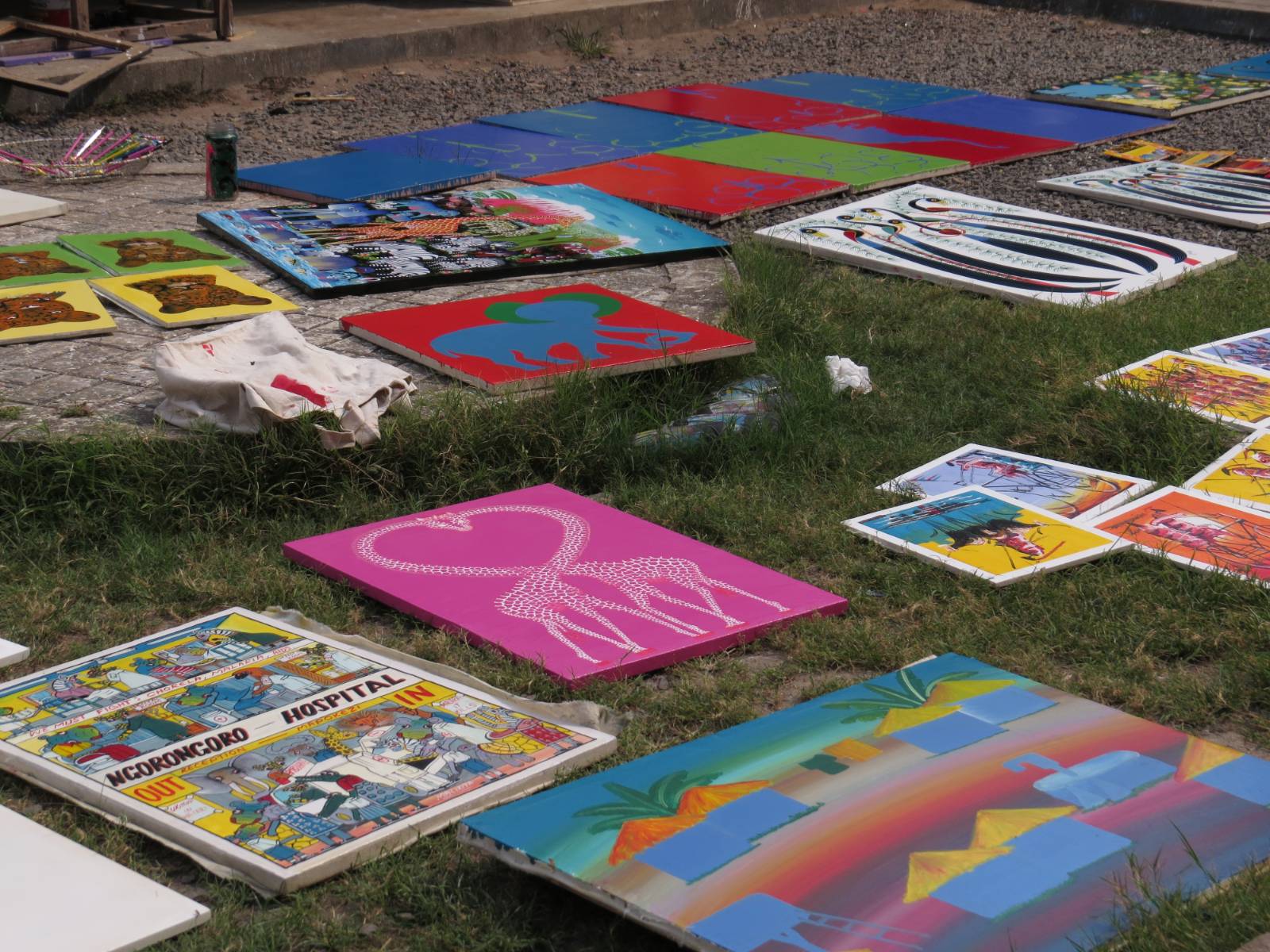
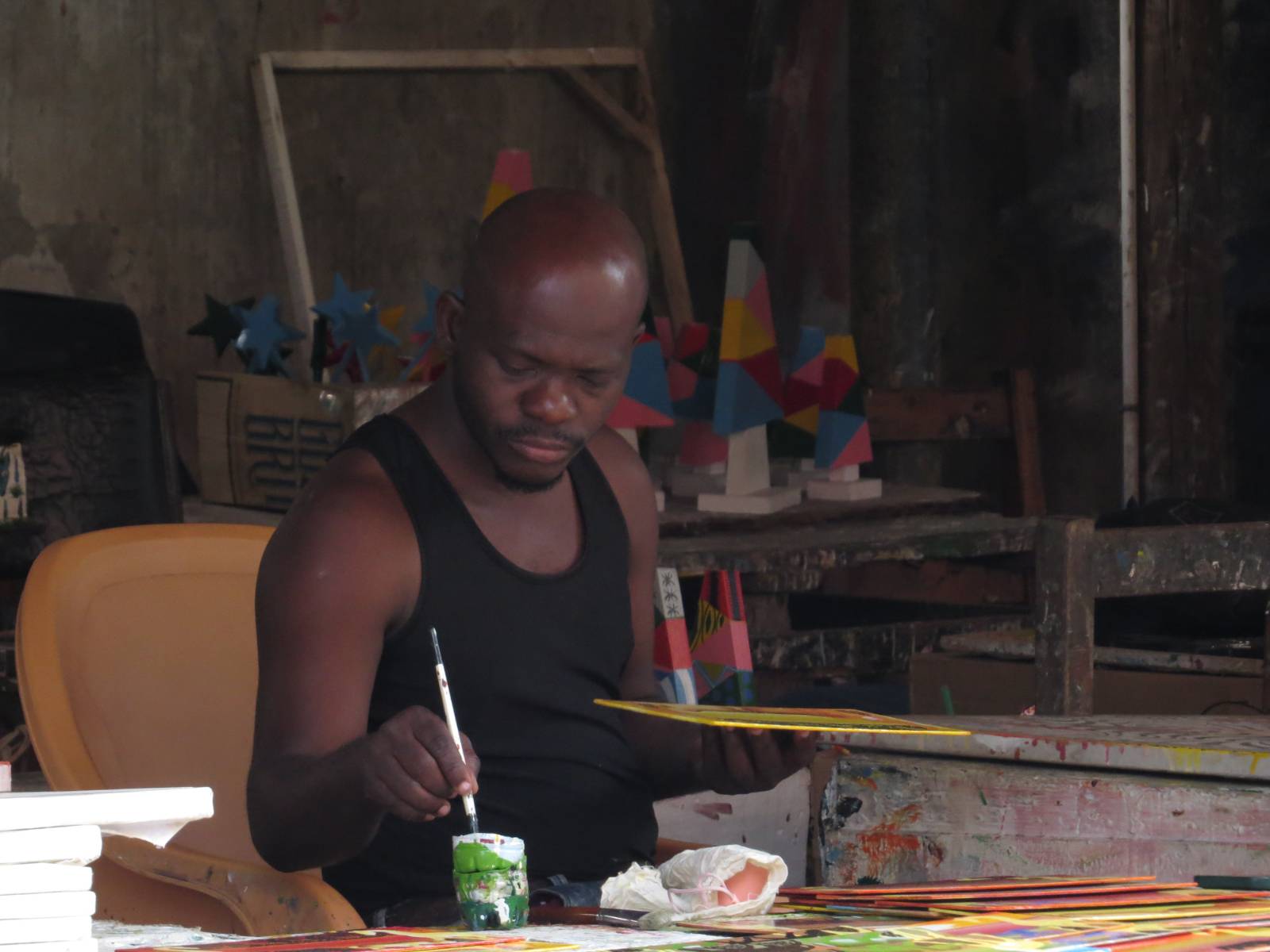
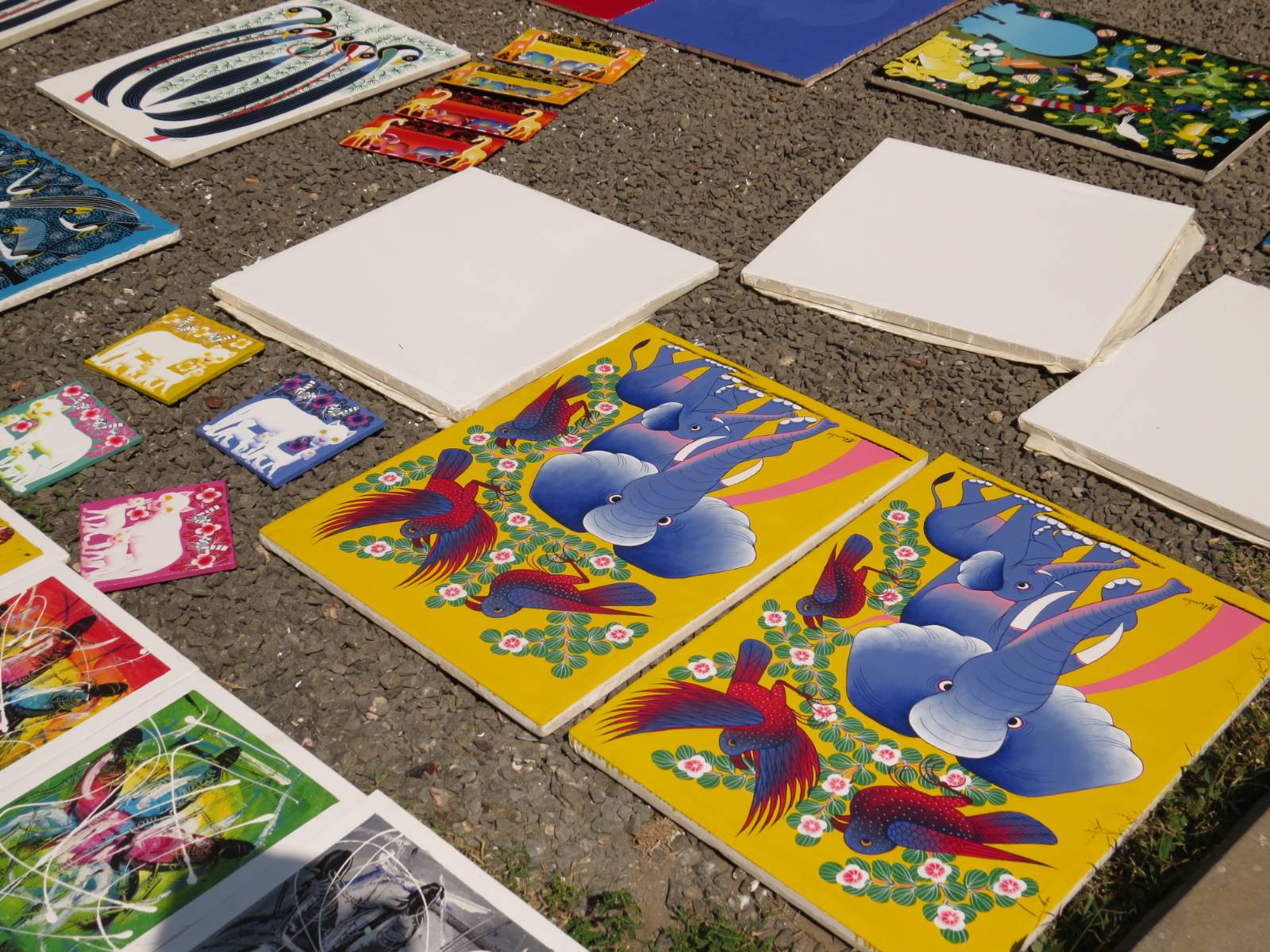
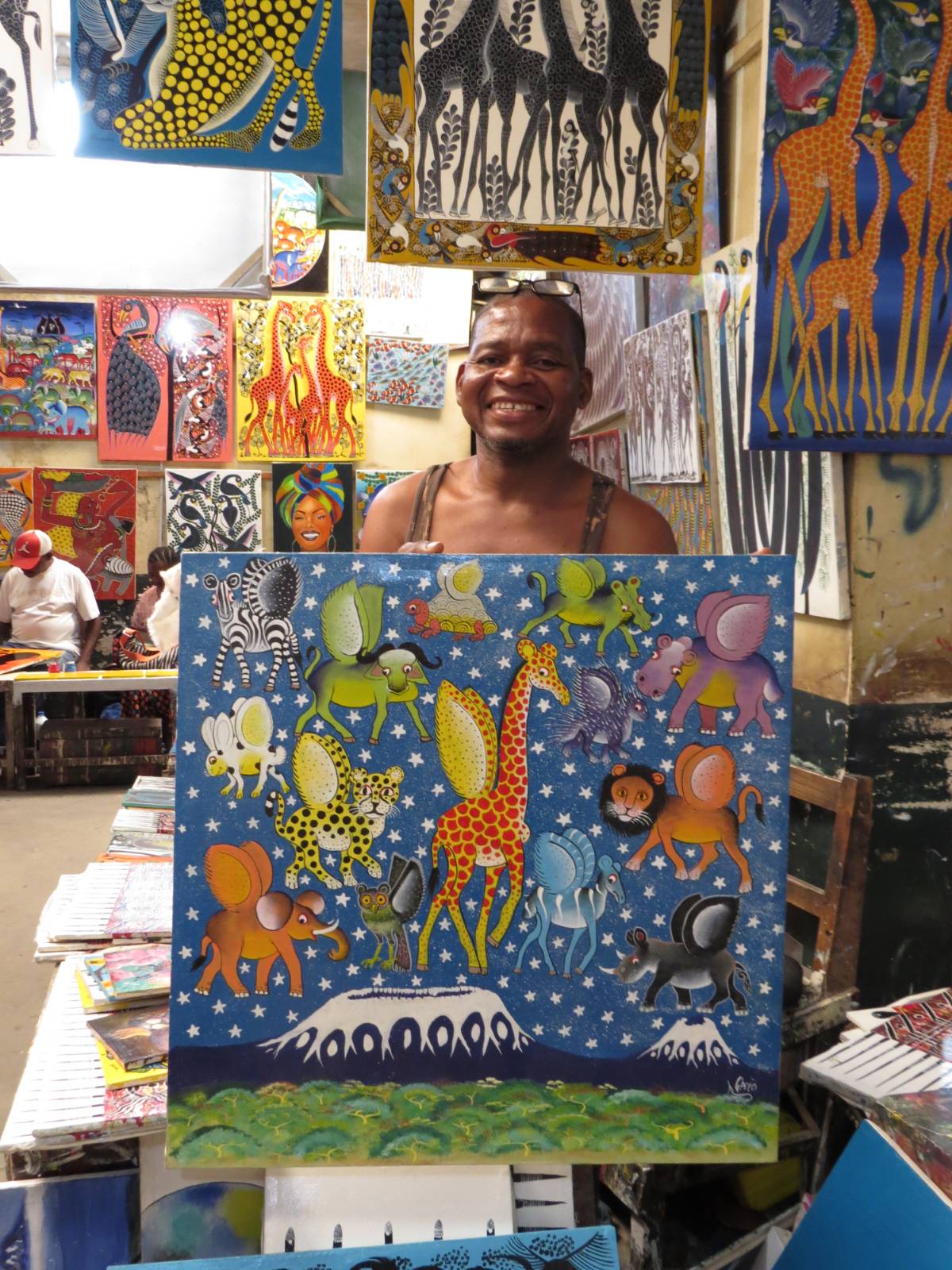
Tingatinga art is a distinctive style that began in the late 1960s in Dar es Salaam, Tanzania, with painter Edward Saidi Tingatinga. Using discarded plywood and bicycle paint, he created bold, colorful works that simplified animals into striking, accessible forms.
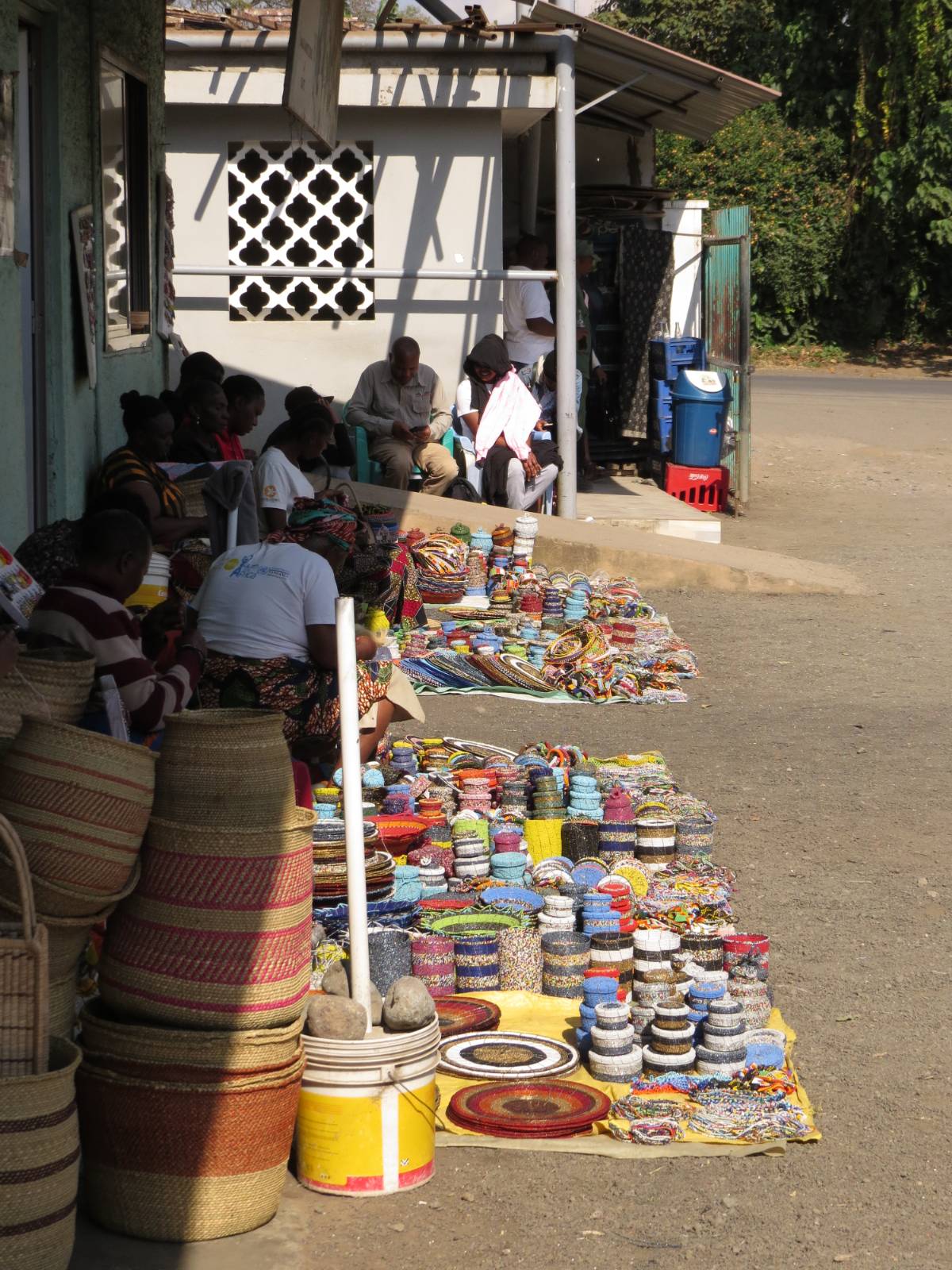
After his death, his students carried on his work, and it spread into a wider art movement. Today, you’ll find Tingatinga pieces everywhere—from galleries to souvenir shops in Dar es Salaam and Zanzibar. Most works are filled with color using gradient techniques, which to me even felt reminiscent of Korean folk paintings (minhwa).
Blending traditional African motifs with a modern touch, Tingatinga art has become one of Tanzania’s cultural icons.
⋮
Local 178: “Mambo”
Me: “Poa”
Local 179: “Hakuna matata.” (Everything will be fine.)
Me: “Hakuna matata, pole pole.” (Everything will be fine, slowly, slowly.)
⋮
For more than two weeks, I carried those words with me every day: Don’t worry, take it easy. If there’s a person you want to become, or an attitude you want to live by, say it out loud. Words repeated often enough start to carve themselves deep into your mind.
So if you’ve read this far, here’s your assignment: say it out loud right now—“Hakuna matata, pole pole. Don’t worry, it’ll all be fine.” Editor’s orders.
After leaving Tanzania, I had to remind myself not to accidentally blurt out asante every time I said thank you. I’d gotten so used to joyfully shouting, “Asante, asante sana!” that switching to the next country’s language wasn’t easy.
Zikomo — that’s one way to say thank you in Zambia.
In the next issue, I’ll take you along to Zambia and Zimbabwe—after a 55-hour journey to get there.



의견을 남겨주세요