
Welcome to our ThanksLetter!
As we begin 2026, ThanksCarbon continues to actively advance AWD projects across Southeast Asia.
In Takeo, Cambodia, two drainage cycles are being implemented properly, and we aim to complete data collection by mid-February with 4,100 ha during this rice farming season. All agricultural activity data is being collected in real-time through Haimdall, and we plan to expand participation to more farmers in the next season. This project is a verified initiative registered with Gold Standard.(link)
In Battambang, Cambodia, we will launch a new project with approximately 10,000 ha this April. This initiative operates under Article 6.2 of the Paris Agreement as a compliance market project—the second globally and the first in Asia's agricultural sector following the Switzerland-Ghana case. ThanksCarbon is fully engaged in preparing for this launch.
As AWD-based rice methane reduction gains global attention in 2026, we'd like to introduce Japan's J-Credit system and examples of how companies are using it to support agricultural transformation.
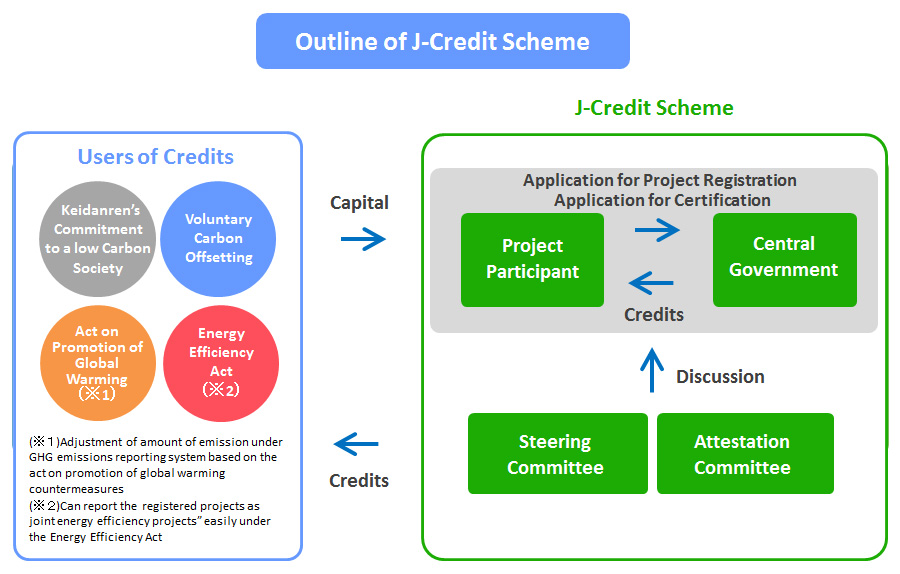
J-Credit is an official carbon certification system operated by the Japanese government. The system certifies greenhouse gases reduced or absorbed through energy savings, renewable energy, agriculture, and forestry as ton-based credits. Rather than regulation or obligation, it represents official government recognition of the value of voluntary mitigation activities. In the agricultural sector, the system gained momentum in March 2023 when the "methane reduction methodology through extended mid-season drainage in rice cultivation" was officially registered. Approximately 40% of Japan's total methane emissions come from rice paddies, and extending the mid-season drainage period by about 7 days can reduce rice paddy methane emissions by approximately 30%. The key to this system is providing incentives for companies to voluntarily support farmers' transition.
Mitsubishi Corporation uses digital platforms to collect farmers' water management data, calculates emission reductions, converts them to J-Credits, and provides financial compensation to farmers. Kubota received the first approval for a program-type project that uses the smart agricultural platform KSAS to aggregate emission reductions from multiple farms and convert them into credits.
Building on this momentum, South Korea’s Ministry of Agriculture, Food and Rural Affairs (MAFRA) has been actively exploring the introduction of a similar framework. Last year, the ministry held two advisory meetings to explore introducing a J-Credit-like system, and ThanksCarbon's Mr. Cooper participated as an expert to share insights on digital MRV technology and farmer incentive models. We hope to see this model where governments certify reduction value and companies voluntarily support farmers' transition expand to more countries.
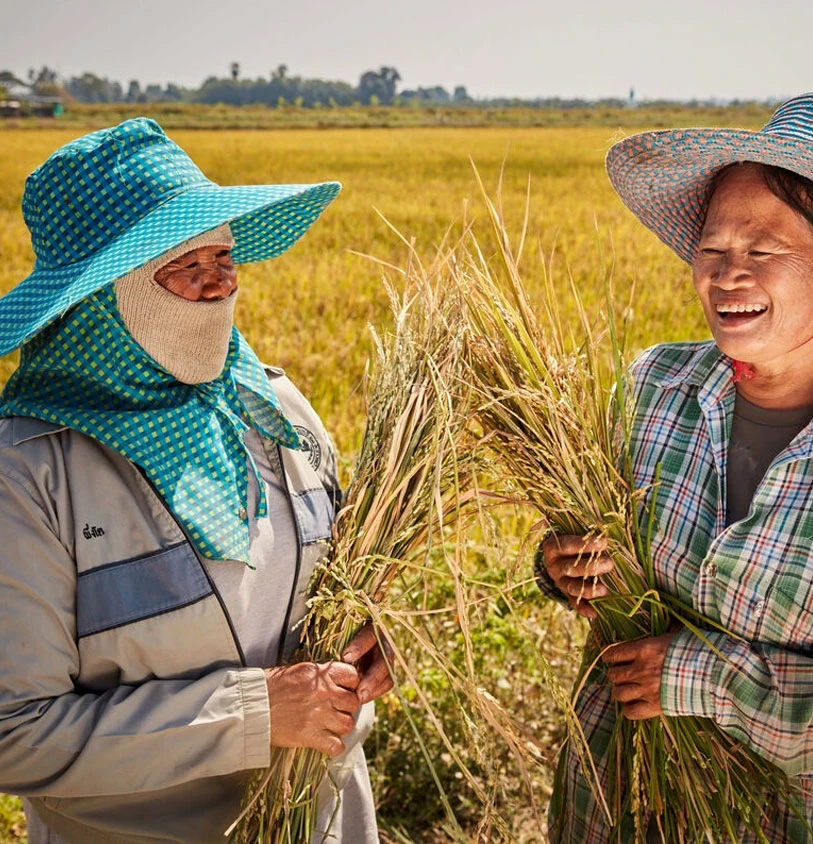
Similar movements are happening globally. Olam Agri operates a sustainable rice project with approximately 10,000 smallholder farmers in Vietnam's Mekong Delta, reducing water use by up to 40% and fertilizer use by up to 15% through AWD adoption. As a result, farmer incomes increased by an average of 17%. Olam's climate-smart rice program, which began in Thailand, is expanding to Viet Nam, India, and Nigeria, supporting sustainable transitions for farmers throughout the supply chain.
ThanksCarbon is making this transition a reality across Southeast Asia through digital MRV technology. Operating AWD projects in Cambodia, Viet Nam, and Bangladesh, we are creating a model that enables companies and governments to collaborate through farmer-centered approaches and verifiable mitigation outcomes.
Quick Summary
- MKCF Final Selection: Confirmed participation in Mekong-Korea Cooperation Fund project as consortium with National Institute of Green Technology and Asian Forest Cooperation Organization
- World Bank Group Webinar: Haimdall technology presentation gains international attention
- Shinhan Square Bridge Demo Day in Viet Nam: Shared Viet Nam PoC achievements
- Korea-Germany Biodiversity Project: Deployment of AI Song Meters for real-time acoustic monitoring.
- Regional Conservation Initiatives: Habitat restoration for migratory birds in Yeosu and otter protection with KOEN.
Project Highlights
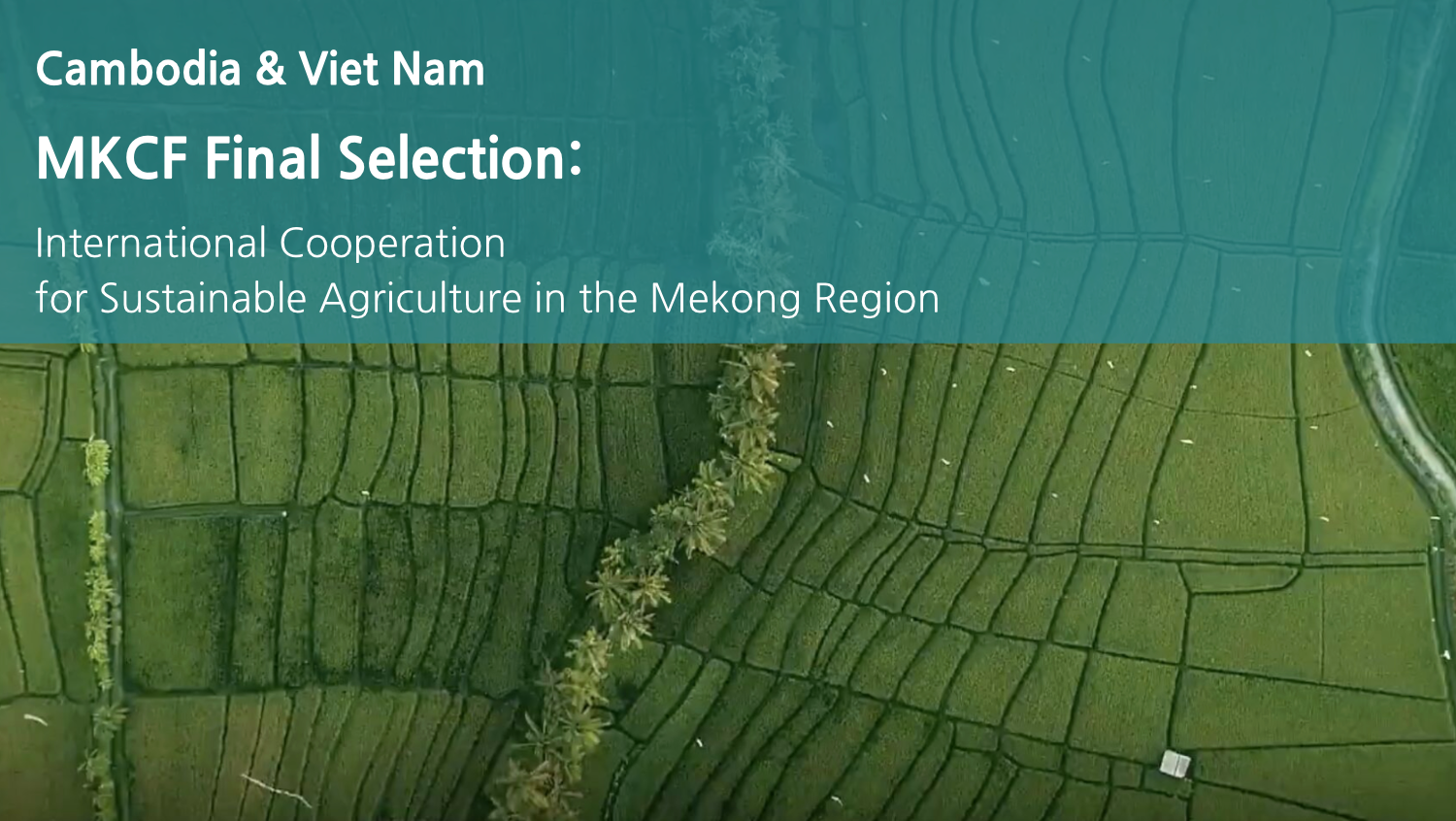
MKCF Final Selection: International Cooperation for Sustainable Agriculture in the Mekong Region
ThanksCarbon has been selected to participate in the 9th Mekong-Korea Cooperation Fund (MKCF) project as part of a consortium with the National Institute of Green Technology (NIGT) and the Asian Forest Cooperation Organization (AFoCO).
The selected project, "AI and Satellite-Based MRV for AWD-Enabled Sustainable Rice Cultivation in the Mekong Region (SMART-RICE)," targets Viet Nam and Cambodia with the goal of reducing methane emissions from rice cultivation and expanding low-carbon, sustainable agricultural models using AI and satellite-based digital MRV technology.
The project will deploy an AI-powered satellite MRV system and Dynamic AWD Scheduler to precisely track irrigation practices and greenhouse gas emissions at the field level. It includes training for 100 farmers in AWD techniques, drone-assisted cultivation, and mobile MRV tools. GHG reduction data will be generated in alignment with CDM(Clean Development Mechanism) and Gold Standard methodologies, and a pilot incentive model will link verified emission reductions to direct farmer payments. A Sustainable Agriculture Data Platform will be established to support data management and scalability.
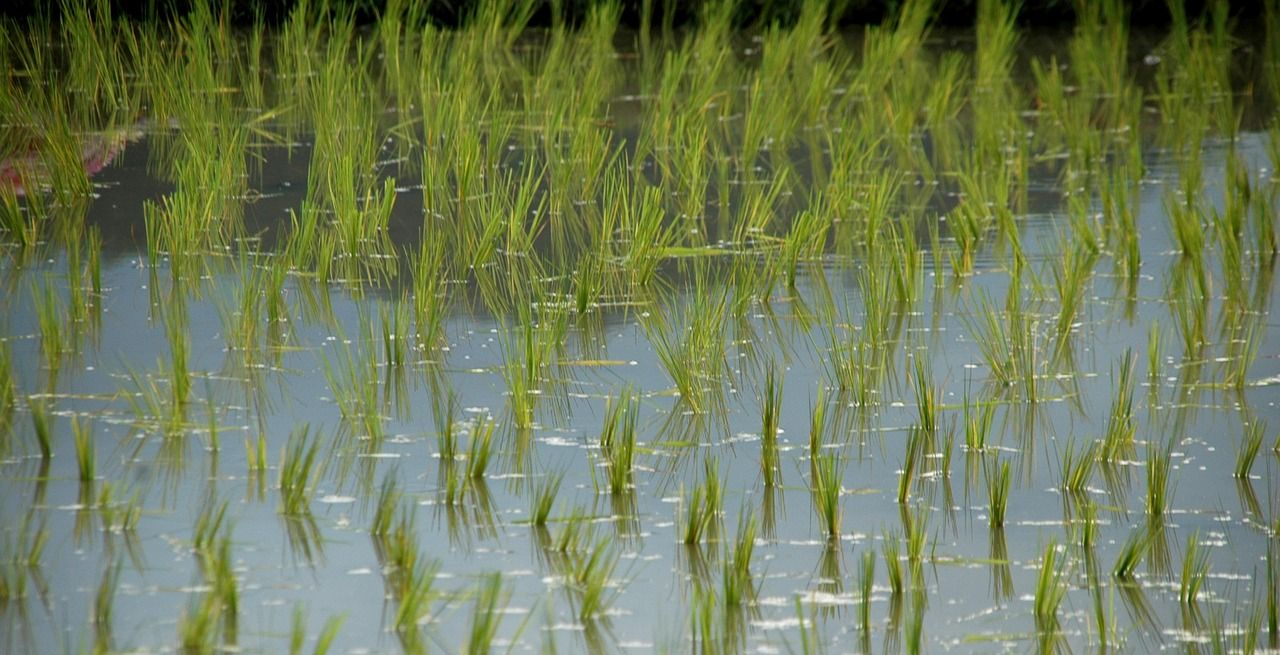
As a core partner in the consortium, ThanksCarbon will contribute in three key areas: applying AWD-based methane reduction models in farming environments, building and validating AI and satellite-based digital MRV systems, and working with Mekong countries on practical climate and agriculture cooperation.
This MKCF project goes beyond technical demonstration. Through collaboration with local governments and institutions, it represents a step toward a scalable, long-term model for international mitigation and sustainable agriculture. The project directly contributes to two MKCF priority areas: Information and Communication Technology (Main priority area), Agriculture and Rural Development (Sub-priority area), advancing low-carbon farming through data-driven innovation and regional collaboration.
➡️If you're interested in climate and agriculture projects in the Mekong region,
Discuss your project ideas with us!
ThanksCarbon Updates
Haimdall Technology Presentation at World Bank Webinar
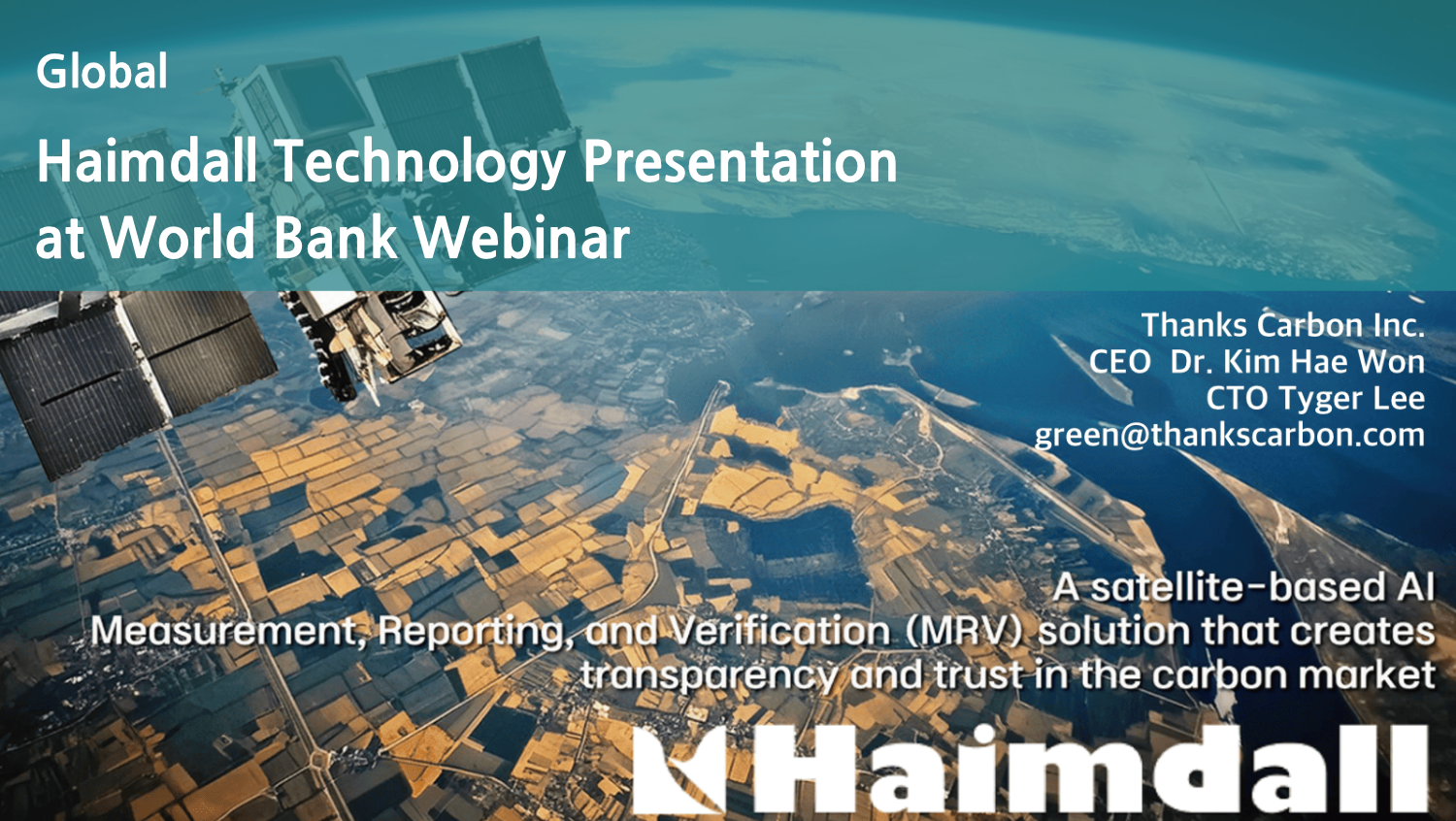
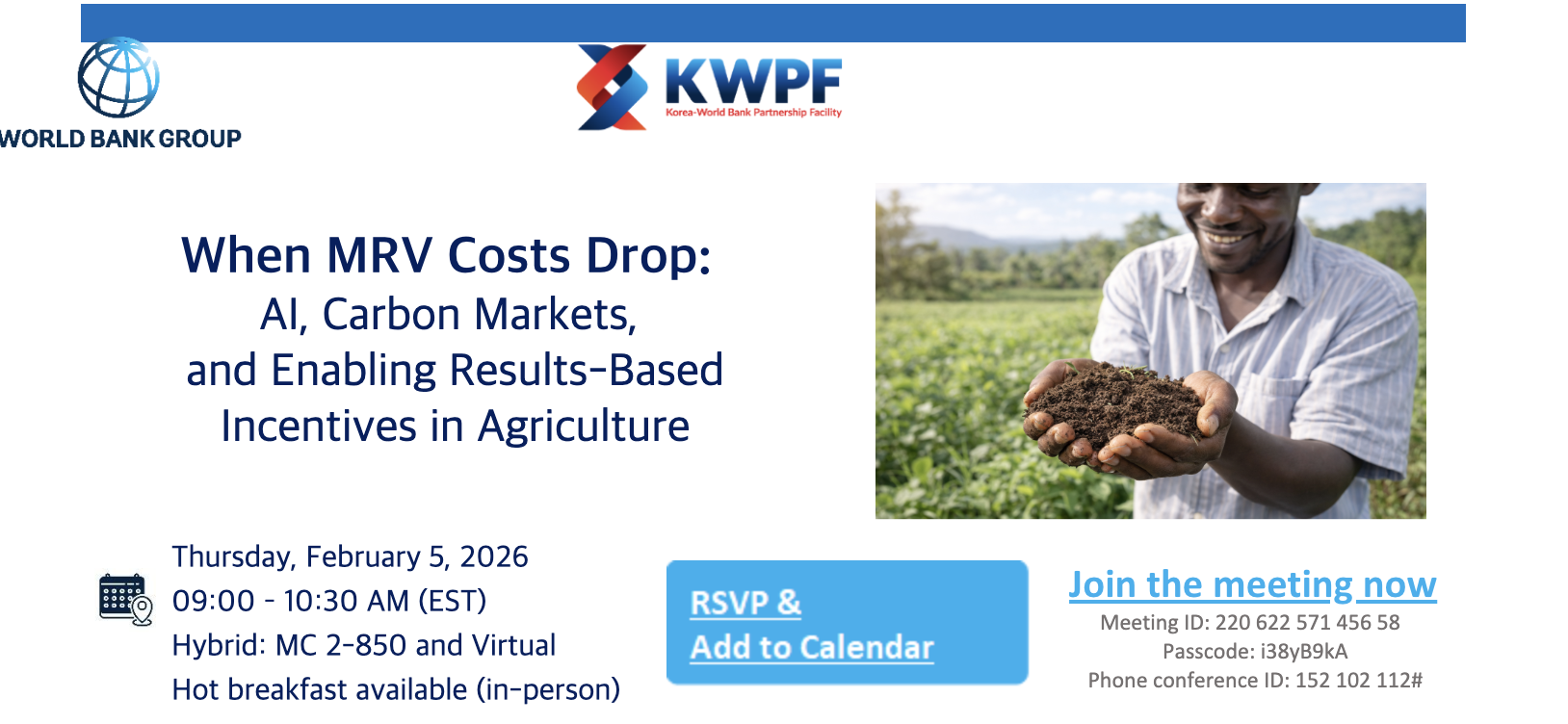
On February 5th, ThanksCarbon was invited to present at a World Bank Group webinar. CEO Dr. Haewon Kim and CTO Tyger Lee co-presented, sharing our carbon finance-driven sustainable agriculture model and the technical capabilities of Haimdall.
The presentation focused on how we've addressed the core challenges of AWD at scale drawing on field experience across approximately 370,000 hectares in Viet Nam, Cambodia, and Bangladesh. Particular interest centered on Haimdall's AI satellite analysis (FieldSense), water management verification (AquaSight), and multimodal AI model (FLOW), which automates photo-based field verification. The session was followed by detailed, practice-oriented Q&A from attendees.
Participation in Shinhan Square Bridge Vietnam Demo Day
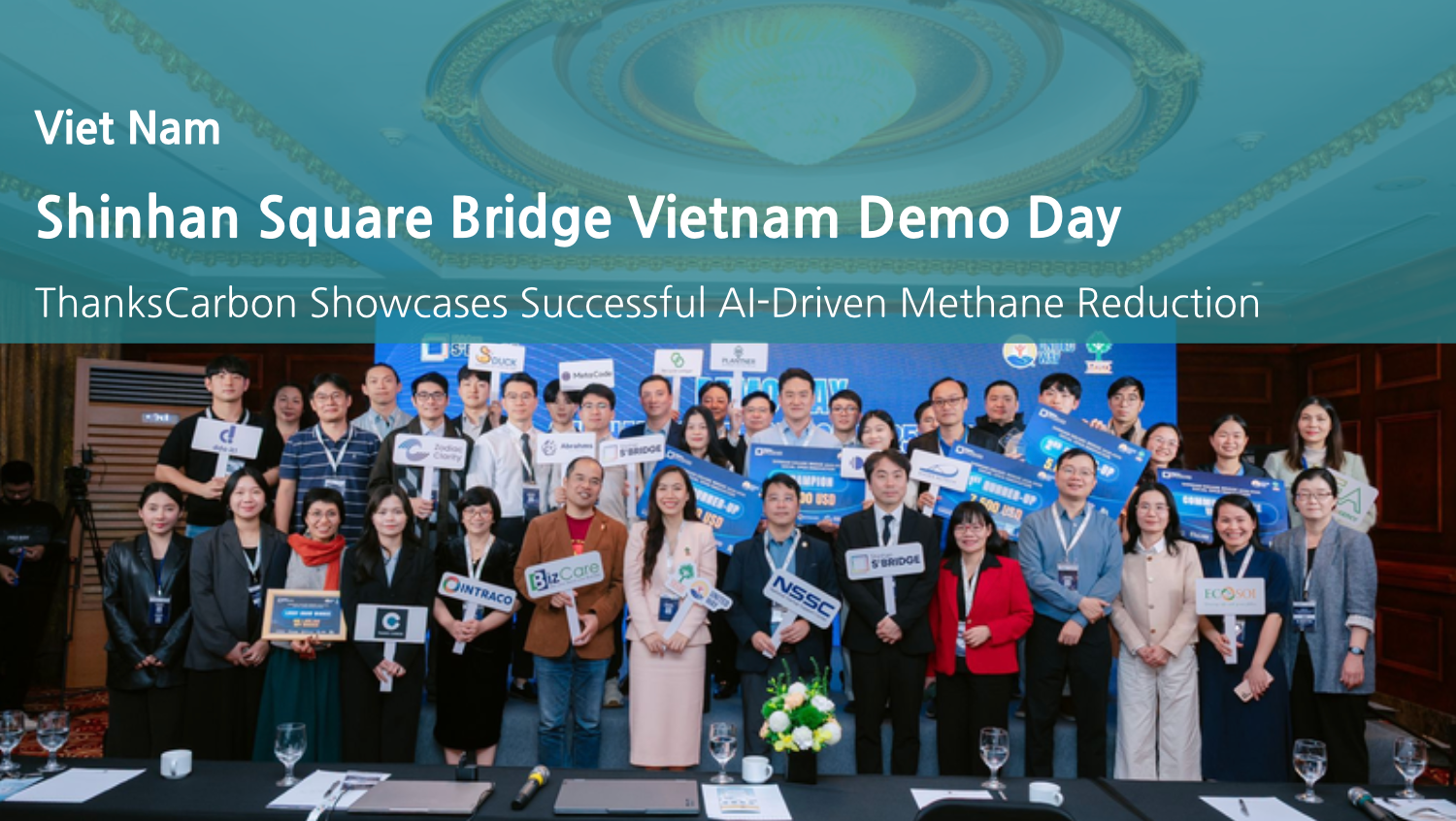
On January 15th, ThanksCarbon participated in the Shinhan Square Bridge Vietnam 2025–2026 Demo Day in Hanoi. The event brought together around 60 stakeholders to review PoC outcomes and explore future expansion.
During the PoC period, ThanksCarbon carried out an AWD demonstration project in An Giang Province, Vietnam, using AI-based digital MRV. All key objectives were successfully achieved: field deployment of Haimdall v3.0 with FieldSense and a Dynamic AWD Scheduler across 10 hectares, hands-on farmer training in AWD practices using digital platforms and mobile tools, and collection and analysis of methane reduction data through field records and modeling.
This PoC confirmed the field applicability and scalability of our AI-based digital MRV technology. Building on these results, ThanksCarbon plans to expand operations beyond Vietnam across Asia. [Read more on LinkedIn]
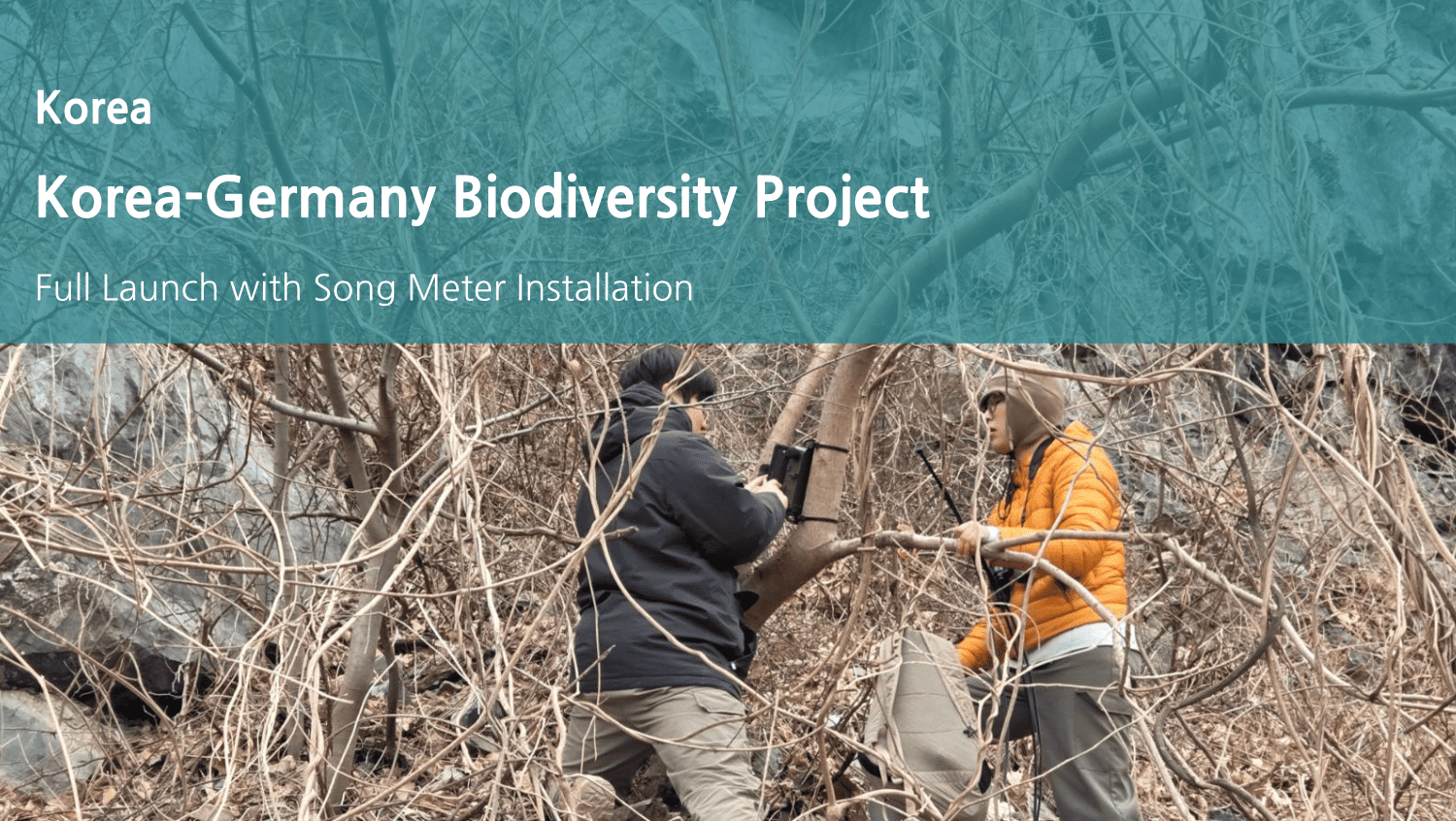
Korea-Germany Biodiversity Project: Full Launch with Song Meter Installation
An update on the Korea-Germany joint AI-based biodiversity monitoring research project, first introduced in our August newsletter. This three-year project, conducted with the Korea Environment Institute (KEI), Kookmin University, ThanksCarbon, and German research institutions, integrates AI and acoustic data for real-time biodiversity monitoring and assessment.
By the end of January, Song Meters, acoustic data collection devices, were installed at two sites: Yeosu (targeting waterbirds) and Ulju (targeting Eurasian eagle-owls). Full-scale acoustic ecosystem data collection has now begun. Through this project, ThanksCarbon aims to build a practical platform supporting corporate biodiversity disclosure, including TNFD compliance.
📌 Related Articles
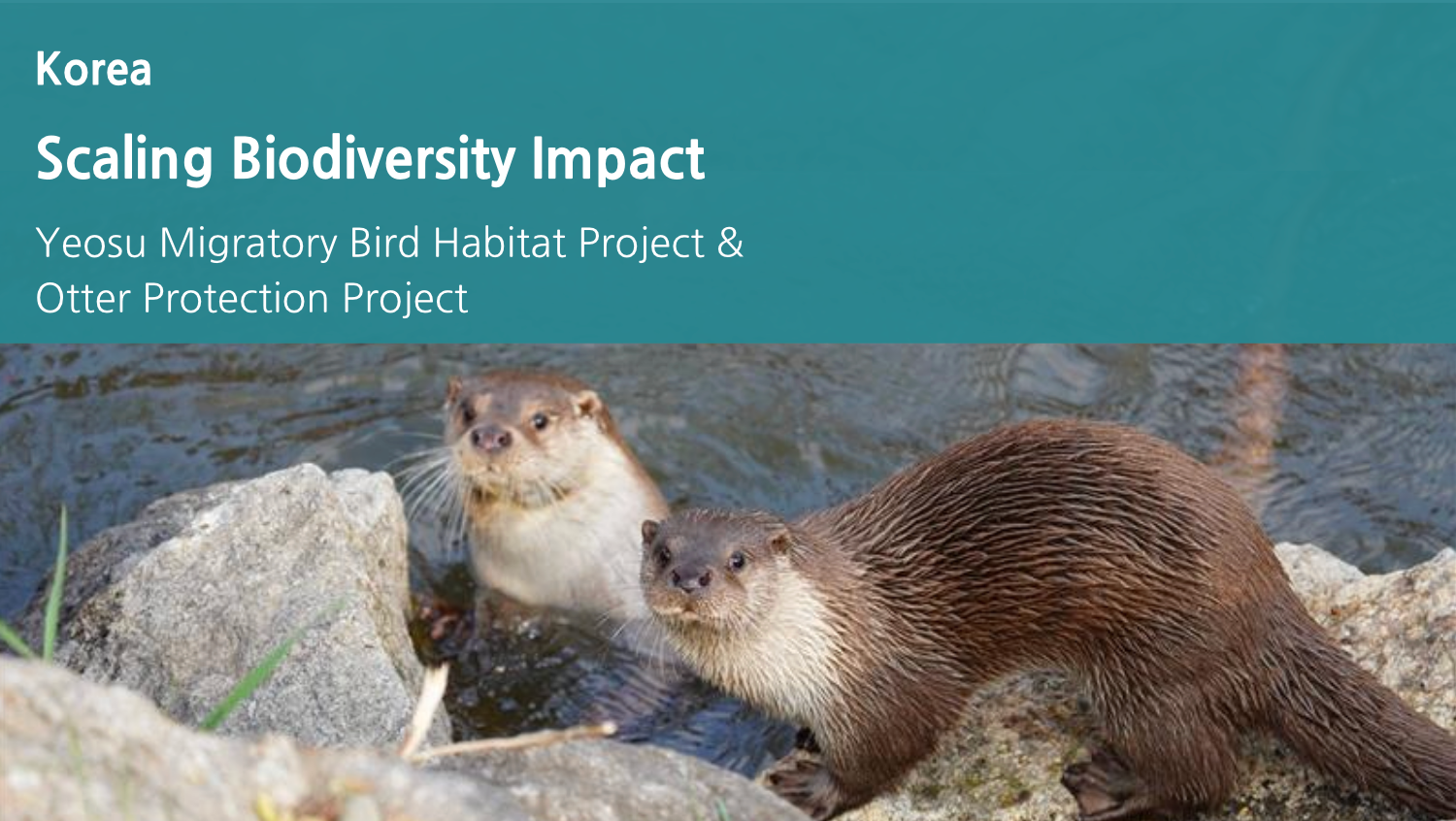
Scaling Biodiversity Impact in Korea
ThanksCarbon has been busy with biodiversity projects on home ground. January and February were packed with fieldwork for two initiatives.
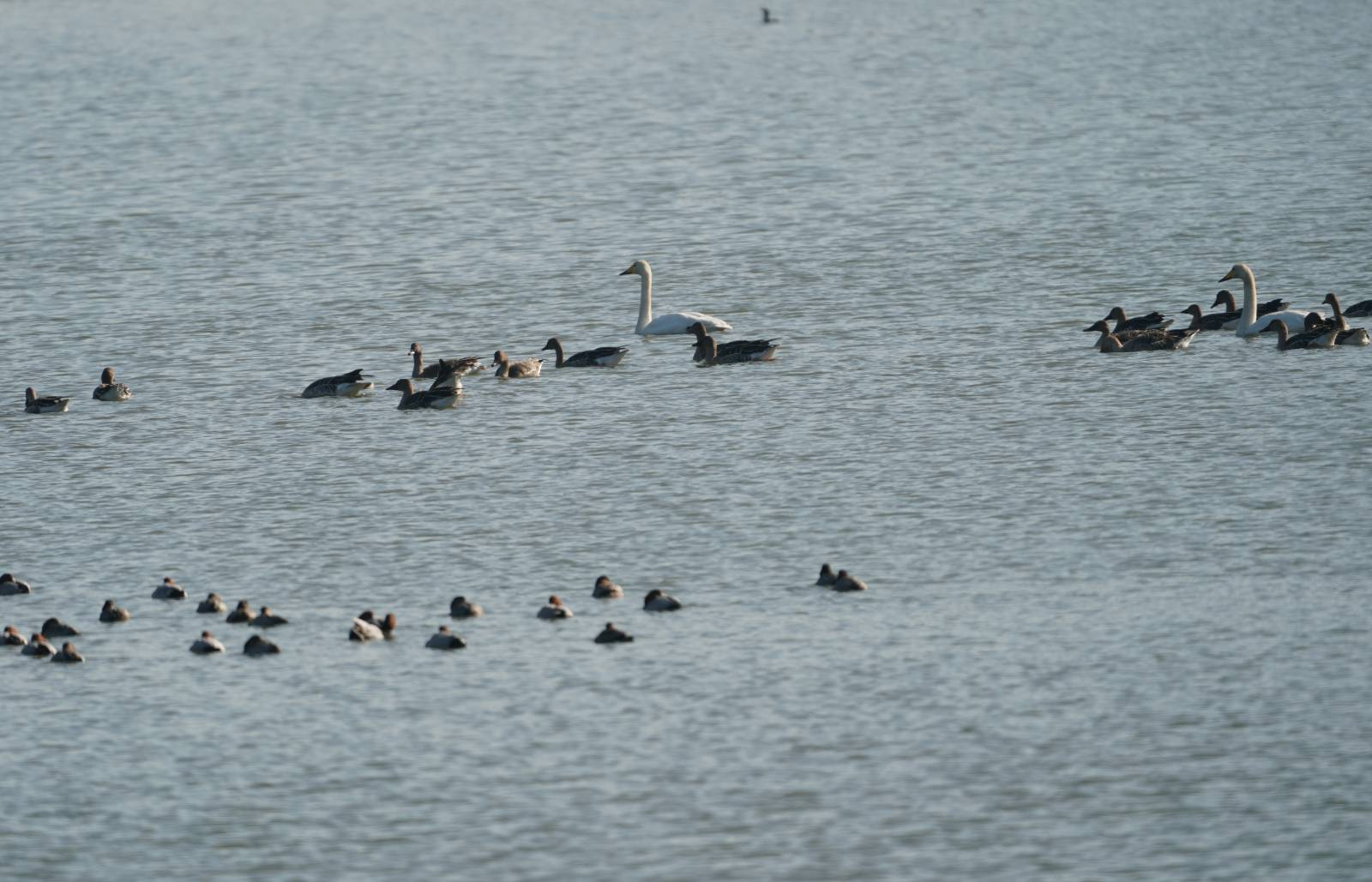
Yeosu Migratory Bird Habitat Project (with Kumho Petrochemical)
Our partnership with Kumho Petrochemical to restore a winter migratory bird habitat in Yeosu has reached the field stage. In the first week of February, we completed the creation of a flooded fallow paddy wetland spanning approximately 12,000 square meters. Birds including bean geese have already begun feeding at the site. The wetland is maintained at a depth of 15 cm with food supply from November through April, following a community-based model that creates ecological value without disrupting local farming activities.
Otter Protection Project (with Korea South-East Power Co.)
Our biodiversity project with Korea South-East Power Co. to protect the Eurasian otter, classified as a Grade 1 endangered species in Korea, has formally launched. An online kick-off meeting was held on January 29th. Planned activities include installing Wildlife-vehicle collision prevention reflectors, constructing artificial habitats (holts), eDNA-based population monitoring, and fingerling releases in cooperation with local fishing communities.
Through expert monitoring, ThanksCarbon is documenting the biodiversity impact of these habitat restoration efforts with data, serving as a bridge between corporate ESG management and local ecosystem conservation.
Global Climate Context
GRI 101: Biodiversity Disclosure Enters a New Era
As of January 1, 2026, GRI 101: Biodiversity 2024 has officially taken effect, replacing the former GRI 304. Biodiversity is now a mandatory disclosure topic for any organization reporting under GRI Standards, with significantly more rigorous requirements.

Key changes:
The reporting scope now extends across the entire value chain, covering not just a company's own sites but everything from raw material sourcing through to product disposal. Location-specific reporting is required, with precise coordinates and ecological characteristics of affected sites, replacing vague references to "near a protected area." Companies must also report against the five direct drivers of biodiversity loss (land and sea use change, direct exploitation, climate change, pollution, and invasive species) with quantified indicators. The social dimension has been integrated as well, requiring disclosure on how nature loss affects indigenous peoples and local communities. Finally, the mitigation hierarchy (avoid → minimize → restore → offset) must be demonstrably applied in that order.
Why it matters:
GRI is referenced by over 80% of sustainability reports worldwide and is closely aligned with the EU's ESRS and TNFD. Major asset managers including BlackRock already assign higher risk scores to non-compliant companies. This mandate goes beyond mere reporting. It demands precise location data, supply chain-wide ecological impact tracking, and concrete restoration plans, all supported by high-quality data.
ThanksCarbon supports corporate biodiversity data collection and disclosure through AI-based satellite analysis, acoustic monitoring, and field-level verification.
➡️ If you're preparing for the new requirements, let's talk.
Stay Connected
Are you ready to drive sustainable change with ThanksCarbon? Whether you're looking to scale agricultural impact or meet new biodiversity standards, we're here to collaborate.
Explore collaboration opportunities here →
Stay connected through our website or social channels to receive more updates and collaboration news. See you in our next edition!




의견을 남겨주세요