
Welcome to our ThanksLetter!
ThanksCarbon took part in Climate Week NYC, held in New York this September. Organized for close to two decades by The Climate Group, an international nonprofit, it is the world's largest climate event, bringing together more than 100,000 participants from business, government, and civil society across over 1,000 events held throughout the city each year.
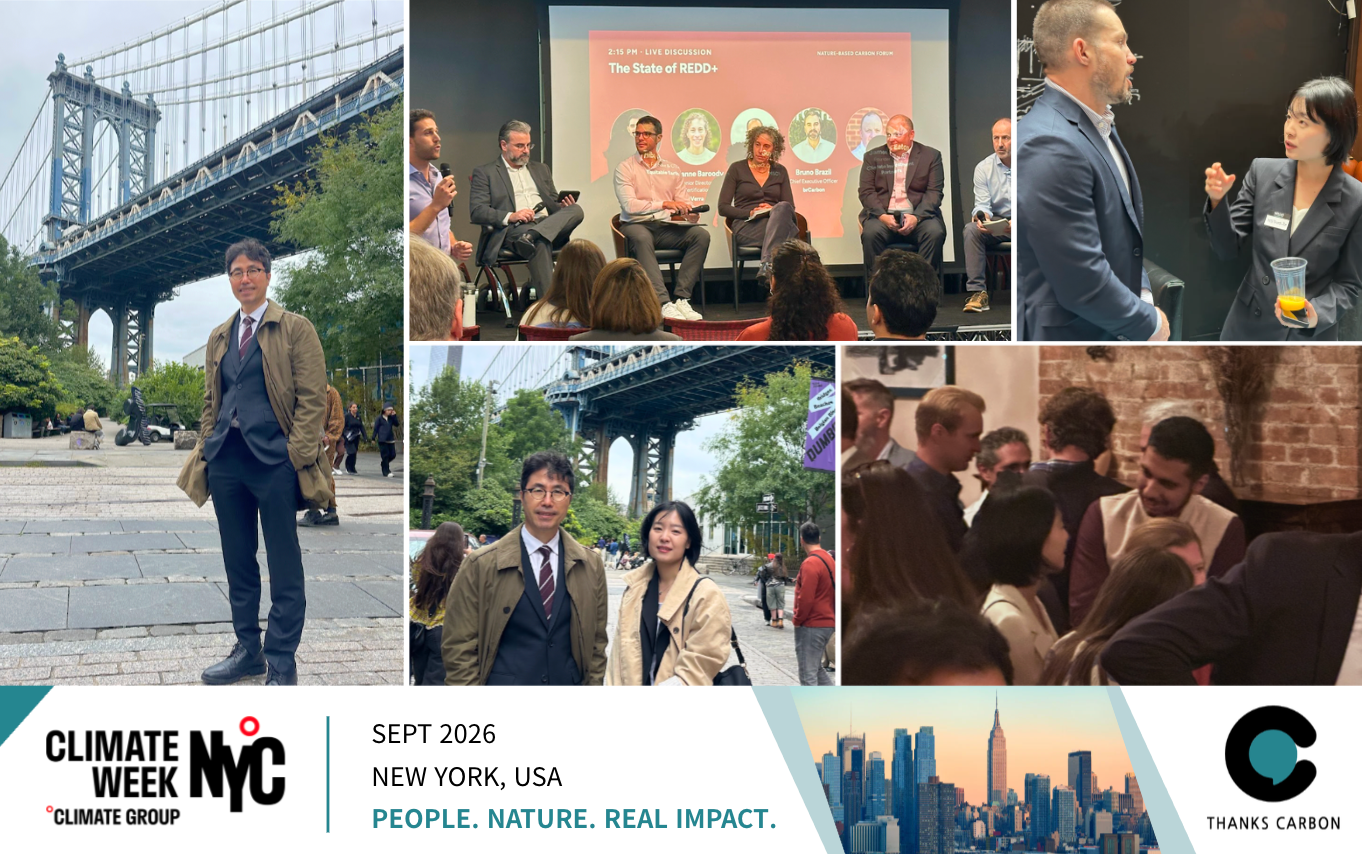
This year, the most frequently discussed topic was super pollutant methane. On September 21, the official Hub Live program included a session titled "The Super Pollutant Sprint: Local Action, Global Results," which covered reduction approaches for methane, black carbon, and hydrofluorocarbons (HFCs), pollutants that remain in the atmosphere for a shorter time than carbon dioxide but produce a much stronger short-term warming effect. This attention reflects a broader context: as AI growth and data center expansion drive emissions higher, methane reduction is drawing new interest as a lever that delivers results quickly. Global companies are continuing to invest in rice methane projects, and rice methane reduction is becoming a real investment target in the market.
Rice methane reduction is exactly the kind of project ThanksCarbon has secured roughly 420,000 hectares across Asia and is converting them in phases, built on its digital MRV capability. During the trip, ThanksCarbon also introduced ASKER, launched this September, to a range of global stakeholders.
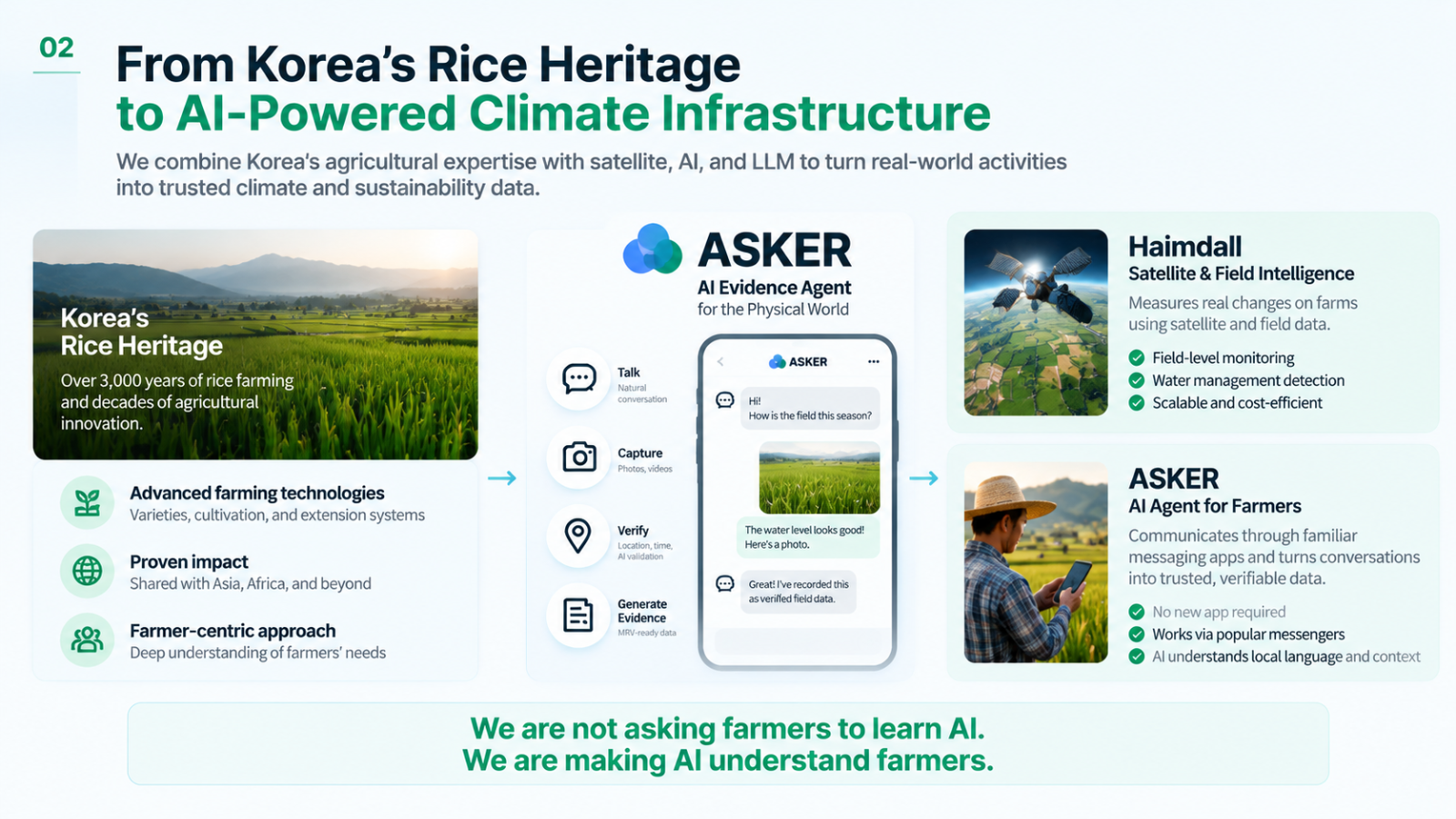
Korea has a rice farming history spanning more than 3,000 years, and its advanced agricultural techniques have spread across Asia, Africa, and South America, helping raise productivity in each region. ThanksCarbon combines this Korean agricultural knowledge with satellite, AI, and LLM technology to improve productivity for farmers who are among the first to feel the effects of the climate crisis, while protecting sustainable agriculture and resilience. Creating new opportunities for farmers who have been left out of climate finance and AI is ThanksCarbon's mission.
The trip gave ThanksCarbon a close look at how the global carbon credit market is actually moving, and a chance to reconsider where the Korean market currently stands. Global companies are already moving quickly around high-quality carbon credits and real reduction projects, and that pace brought both a sense of opportunity and a sense of urgency to prepare faster. At the same time, it was a week that confirmed ThanksCarbon's technology and field experience can be competitive in the global market.
ASKER was introduced in the field for the first time in Cambodia and Vietnam. This issue brings you the SMART-RICE workshops held in both countries this September.
Quick Summary
- A Moment with Methane at Climate Week NYC Methane's rise alongside data center growth, and the rice methane projects responding to it.
- SMART-RICE workshops in Cambodia and Vietnam Six days with stakeholders and rice fields
- Korea Social Value Festa in Seoul Four years of seagrass habitat restoration with LG Chem
- National Assembly Climate Change Forum Discussing bilateral cooperation under Article 6.2 of the Paris Agreement
- Bangladesh gas chamber samples reach the laboratory Field measurements move into analysis
- Selected for the C3 Nature Impact Accelerator A nature-based solutions accelerator with HSBC
Project Highlights
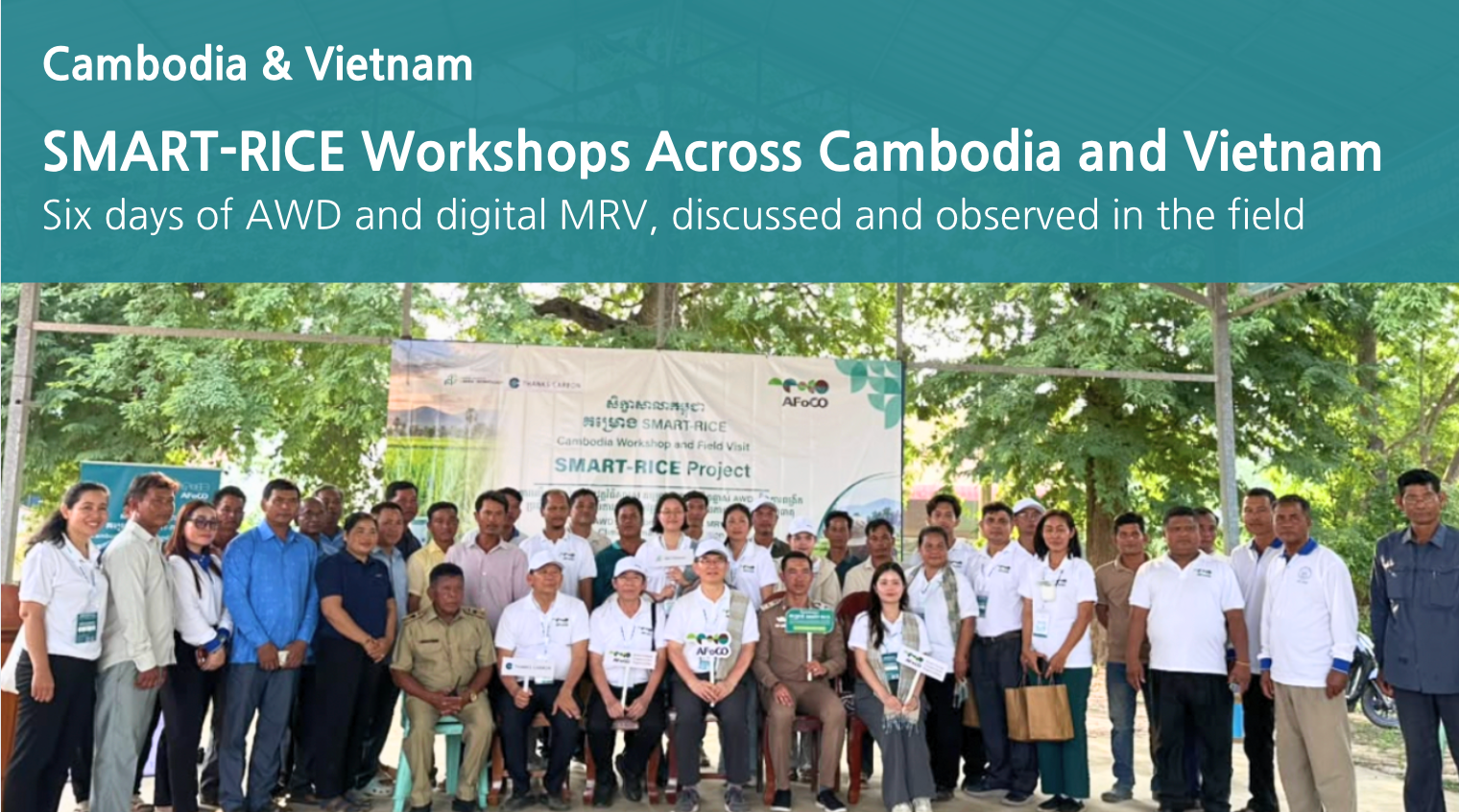
SMART-RICE Workshops Across Cambodia and Vietnam
Six days of AWD and digital MRV, discussed and observed in the field
The workshops were held under the SMART-RICE project, an international cooperation initiative supported by the Mekong-Republic of Korea Cooperation Fund (MKCF). The 24-month project was officially launched in Seoul in April 2026 to promote low-carbon rice cultivation across the Mekong region. It applies AWD and AI- and satellite-based digital MRV to rice fields, with the goal of reducing methane emissions and spreading smart farming practices.
ThanksCarbon co-organized the workshops with the Asian Forest Cooperation Organization (AFoCO) and the National Institute of Green Technology (NIGT). The program ran from September 14 to 16 in Cambodia and from September 17 to 19 in Vietnam.
Part 1. SMART-RICE Cambodia Workshop & Field Visit
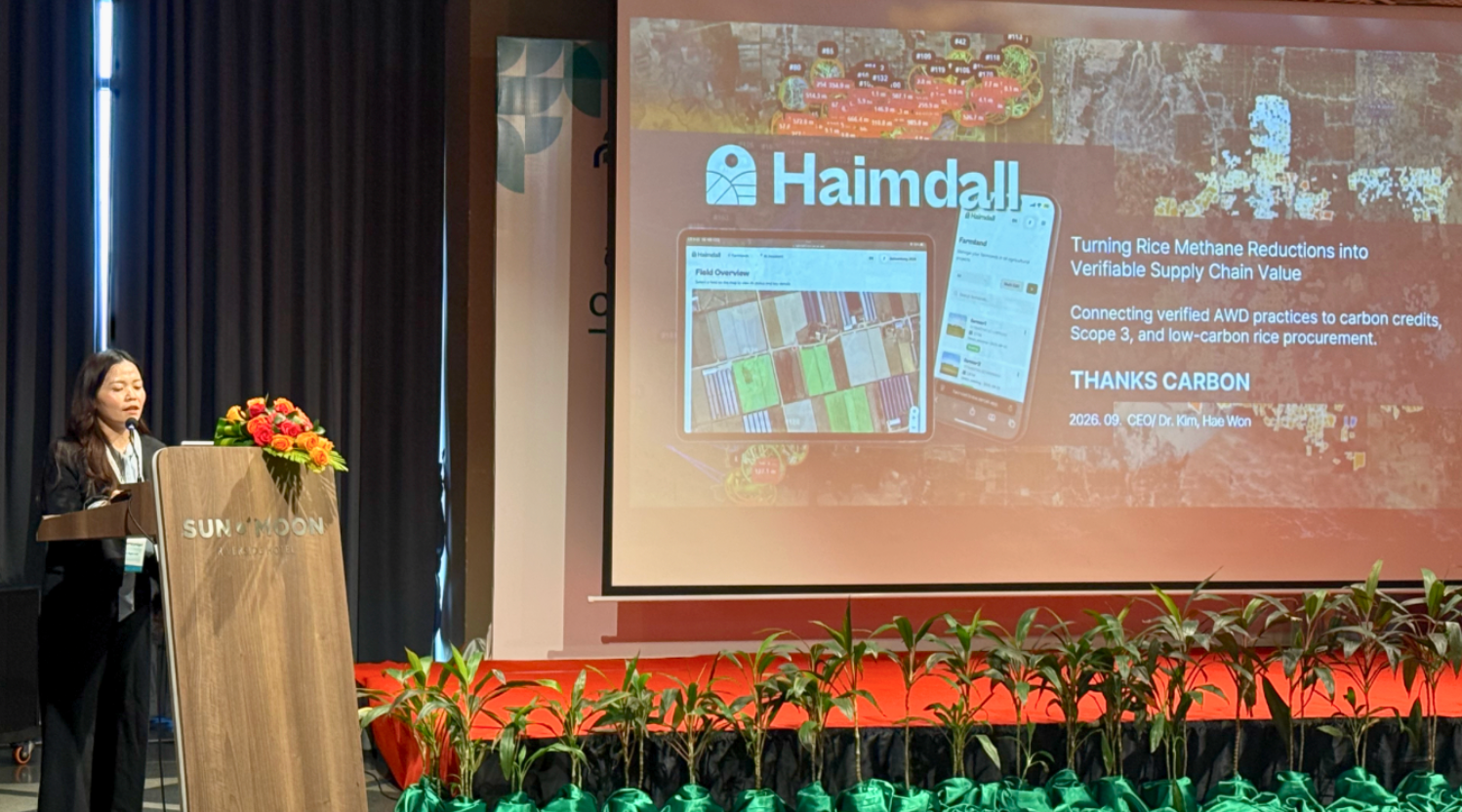
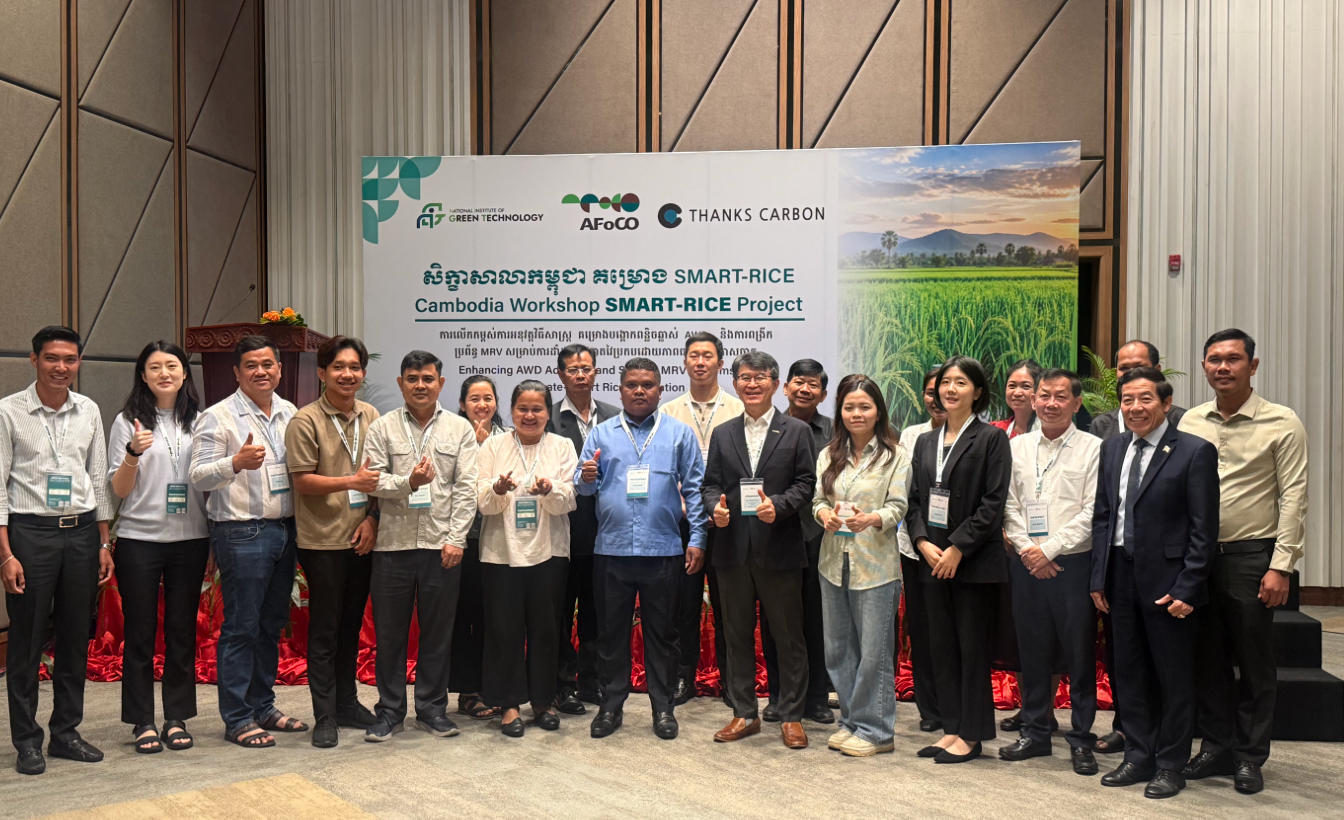
The Cambodia program opened on September 14 with a workshop in Phnom Penh. Attendees included Dr. Yang Saing Koma, Secretary of State of the Ministry of Agriculture, Forestry and Fisheries, Dr. Yorn Try, Deputy Director General of the General Directorate of Agriculture, along with representatives from an international development cooperation agency and related research institutions.
ThanksCarbon presented the direction of SMART-RICE and how AWD can reduce methane, then introduced how digital MRV combines satellite and field data for monitoring, followed by a Q&A session.
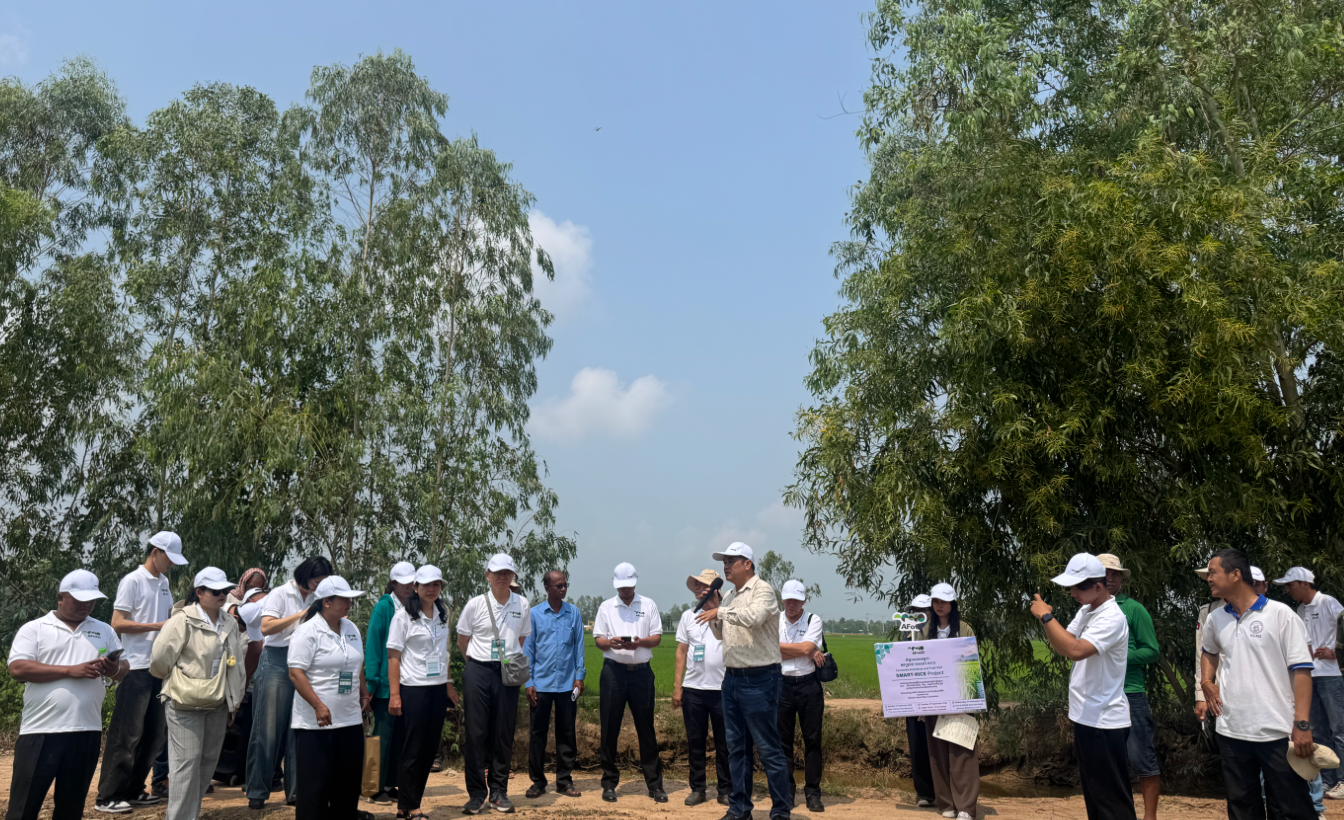
On September 15, the group visited the Prey Kabbas project site in Takeo province, the MKCF pilot area in Cambodia, to review the irrigation system and check on project preparation through meetings with participating farmers. The group also visited Angkor Borei district, where ThanksCarbon is already implementing a large-scale AWD project, to see how AWD water management is applied in actual rice fields.
The visit showed that the timing and management of drainage and re-flooding are critical factors in determining methane emissions from rice paddies. Farmer Leaders supporting the project also demonstrated AWD training activities and how they use the Haimdall platform for field data management and monitoring. The visit gave SMART-RICE stakeholders and workshop participants a clearer picture of how AWD is implemented on the ground, and served as a valuable case study of methodology moving into practical field application.
On September 16, participants held group discussions in Phnom Penh on the findings and areas for improvement, and discussed wider adoption of AWD with AFoCO and NIGT, closing the three-day program.
Part 2. Kandal Province AWD Project: A 5,000-Hectare First Season Gets the Green Light
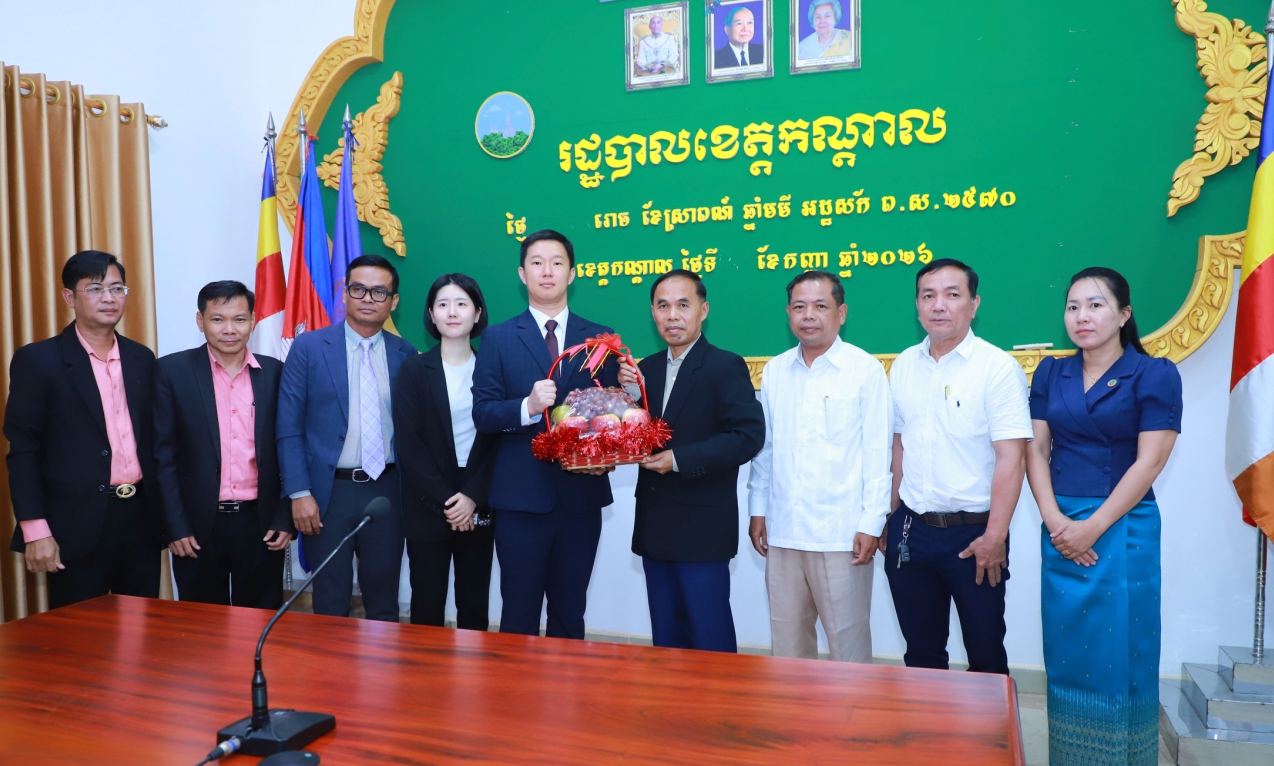
During the field visit period of the SMART-RICE Cambodia Workshop, another ThanksCarbon team visited Kandal province and met with the provincial government, chaired by Deputy Governor Srath Prak, to share plans for launching the first season of a 5,000-hectare AWD project later this year.
The meeting brought together key provincial departments, including the Provincial Department of Environment, the Provincial Department of Water Resources and Meteorology (PDOWRAM), and the Provincial Department of Agriculture, Forestry and Fisheries (PDAFF), to discuss the implementation plan and future cooperation.
Part 3. Vietnam: SMART-RICE Workshop & Hung Yen Field Visit
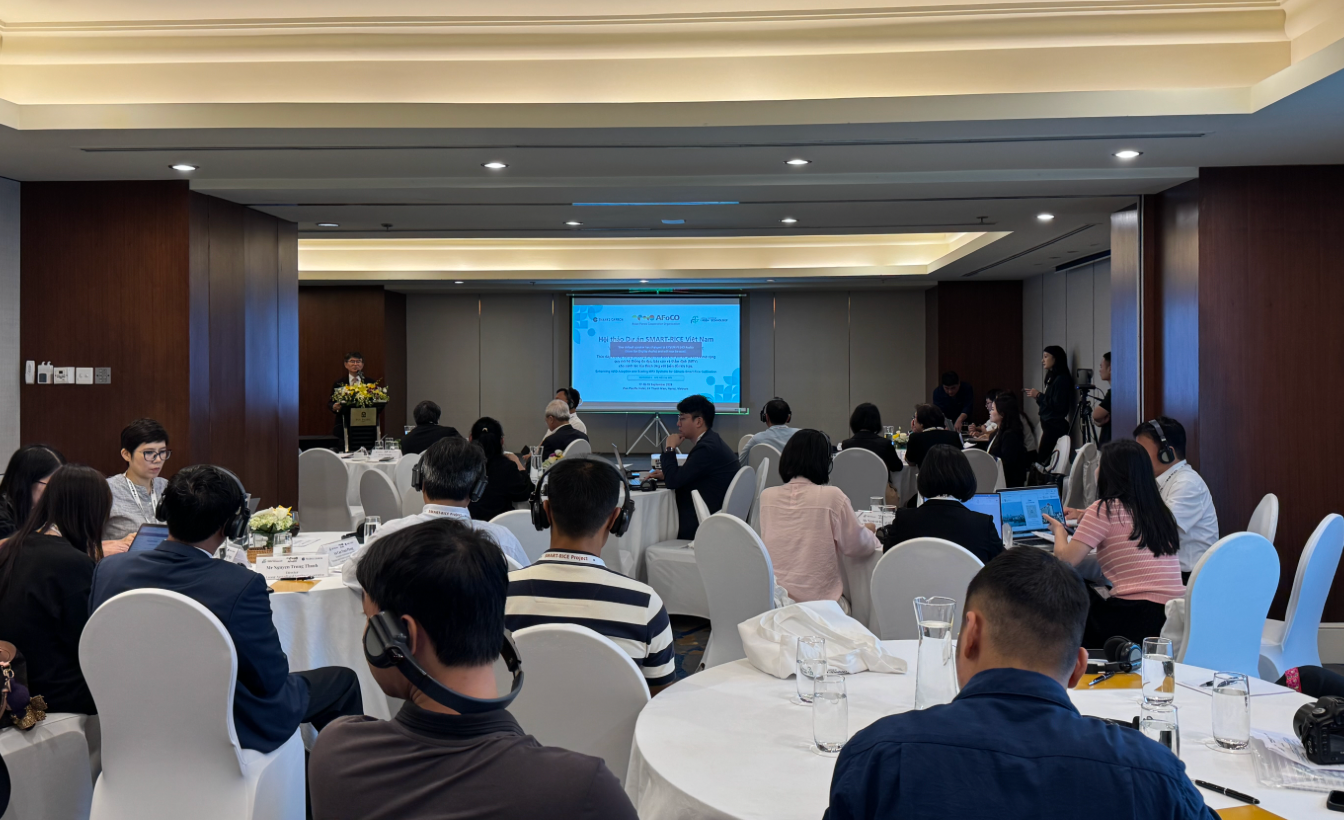
The Vietnam program began on September 17 with the SMART-RICE Workshop in Hanoi. After opening remarks from the head of AFoCO's Mekong Regional Office and a project overview video from NIGT, ThanksCarbon presented its AI-based MRV system and the status of its Vietnam pilot.
The Director of the Institute of Agricultural Environment (IAE) introduced Vietnam's one-million-hectare program for high-quality, low-carbon rice and shared lessons from adopting AWD. The Deputy Director of the An Giang Agricultural Extension Center described how An Giang province has scaled AWD into large low-carbon production areas. In the afternoon, AFoCO, NIGT, and ThanksCarbon jointly led a technical discussion and stakeholder Q&A.
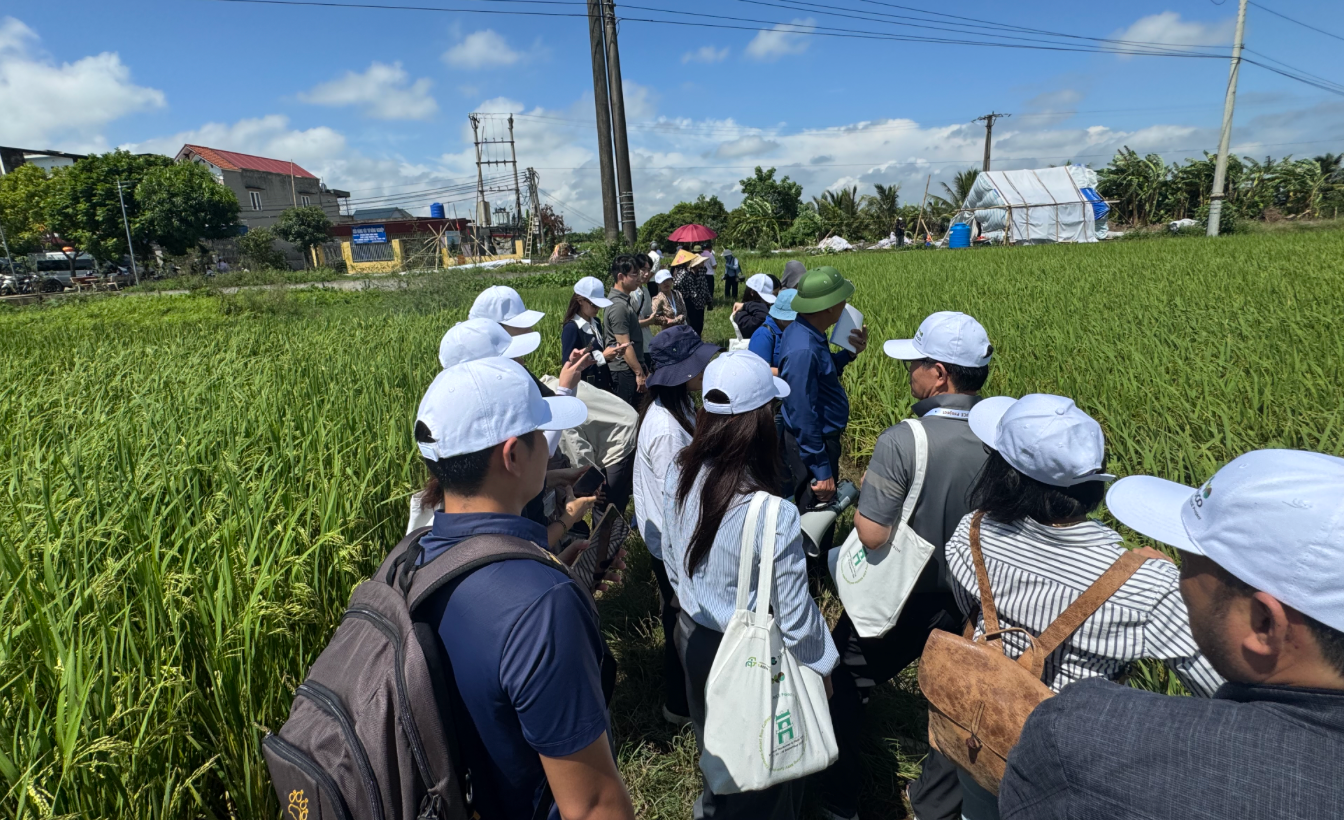
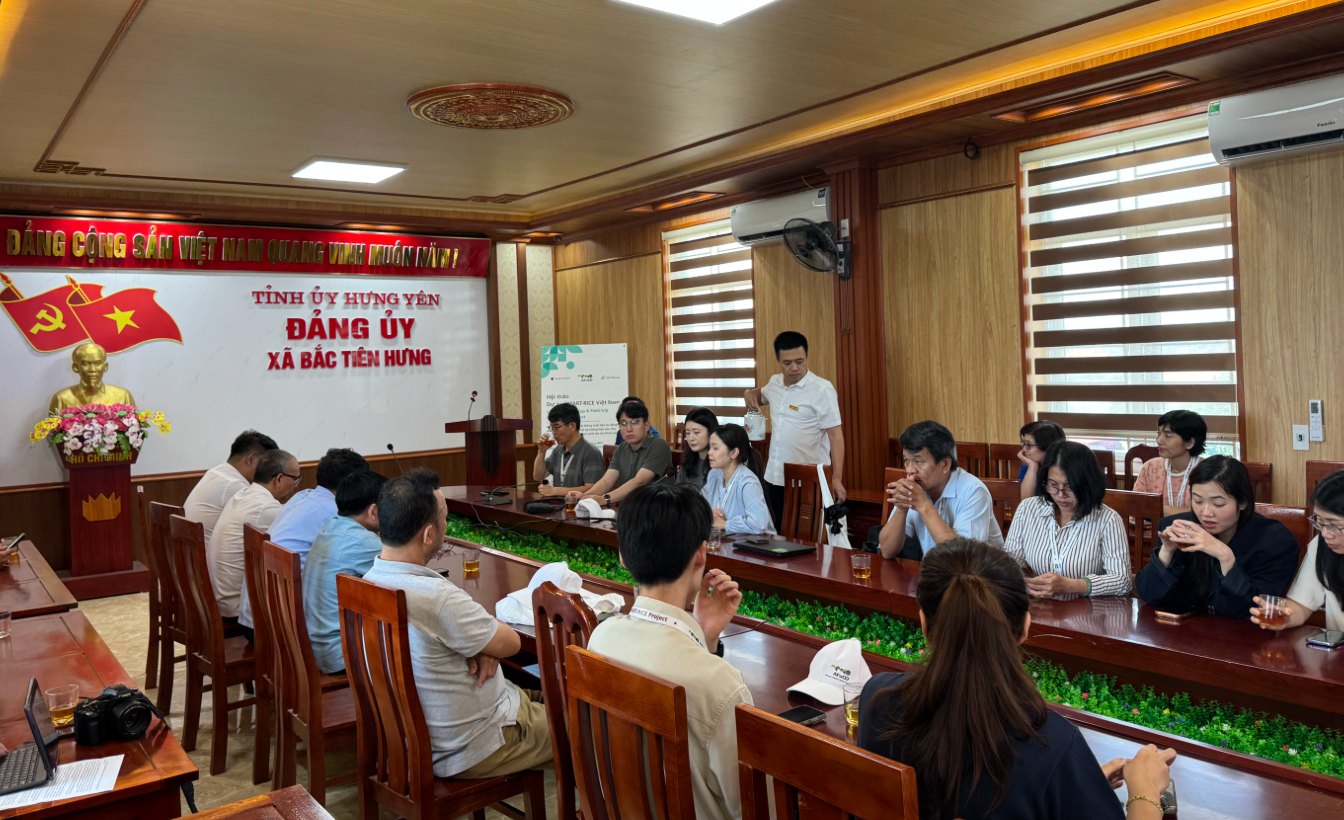
On September 18, participants visited an existing AWD pilot site in Hung Yen province, where ThanksCarbon and IAE jointly implemented an AWD pilot project in 2024. Participating farmers and cooperative representatives shared the results of the pilot, including the effectiveness of AWD, challenges encountered during implementation, and lessons learned in the field. They also shared positive feedback that, after experiencing the benefits of AWD firsthand, more farmers in the cooperative have grown interested in and begun adopting AWD practices. Participants also met with local stakeholders and officials from the Provincial People's Committee to seek advice on potential cooperation structures between the project and local government. While the SMART-RICE Vietnam pilot will be implemented in An Giang province, this field visit provided valuable practical insight and experience to help strengthen project preparation and future implementation.
On September 19, a group discussion summarized the key findings and next steps, and the group reviewed the plans and main activities for the SMART-RICE pilot to be carried out in Vietnam.
From Takeo and Kandal in Cambodia to Hung Yen and An Giang in Vietnam, ThanksCarbon is testing AWD and digital MRV in the field and extending them to new areas. If your organization is considering a rice methane reduction program, please reach out through the link below.
ThanksCarbon Updates
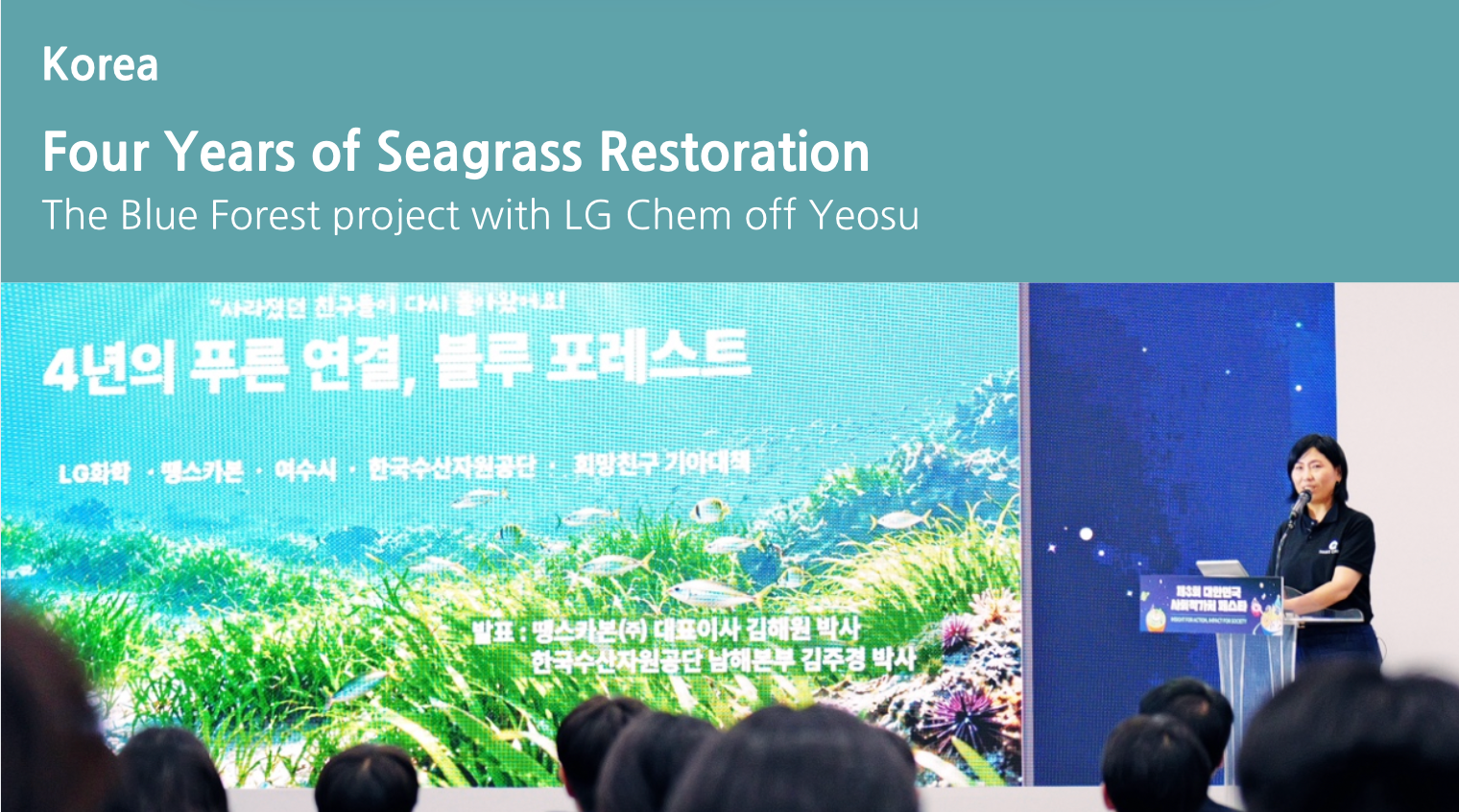
Four Years of Seagrass Restoration, Shared at Korea Social Value Festa
The Blue Forest project with LG Chem off Yeosu
ThanksCarbon took part in the 3rd Korea Social Value Festa, held at COEX in Seoul on September 21 and 22. The festival is Korea's largest privately led platform for solving social issues, where government, business, and civil society come together to discuss social value, and organizers expected about 15,000 participants from government, business, academia, and the public. This year's exhibition of more than 300 booths was organized into four connected zones: Collaboration, Innovation & Environment, Regional, and Society, with 25 companies and institutions in the Innovation & Environment zone. On September 22, ThanksCarbon CEO Haewon Kim presented on a special program stage under the title "The Sea Where Marine Life Returned: Four Years of Blue Connection."
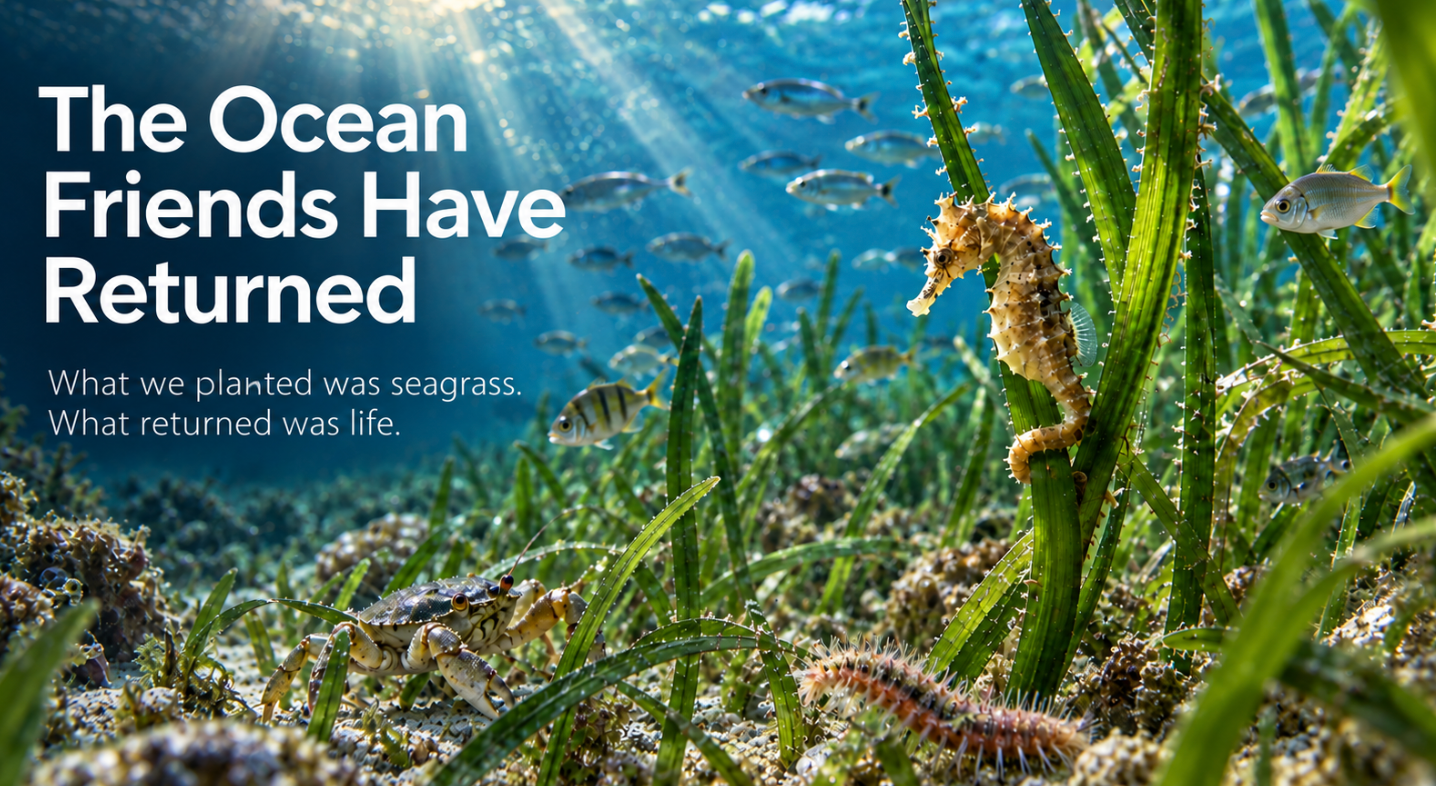
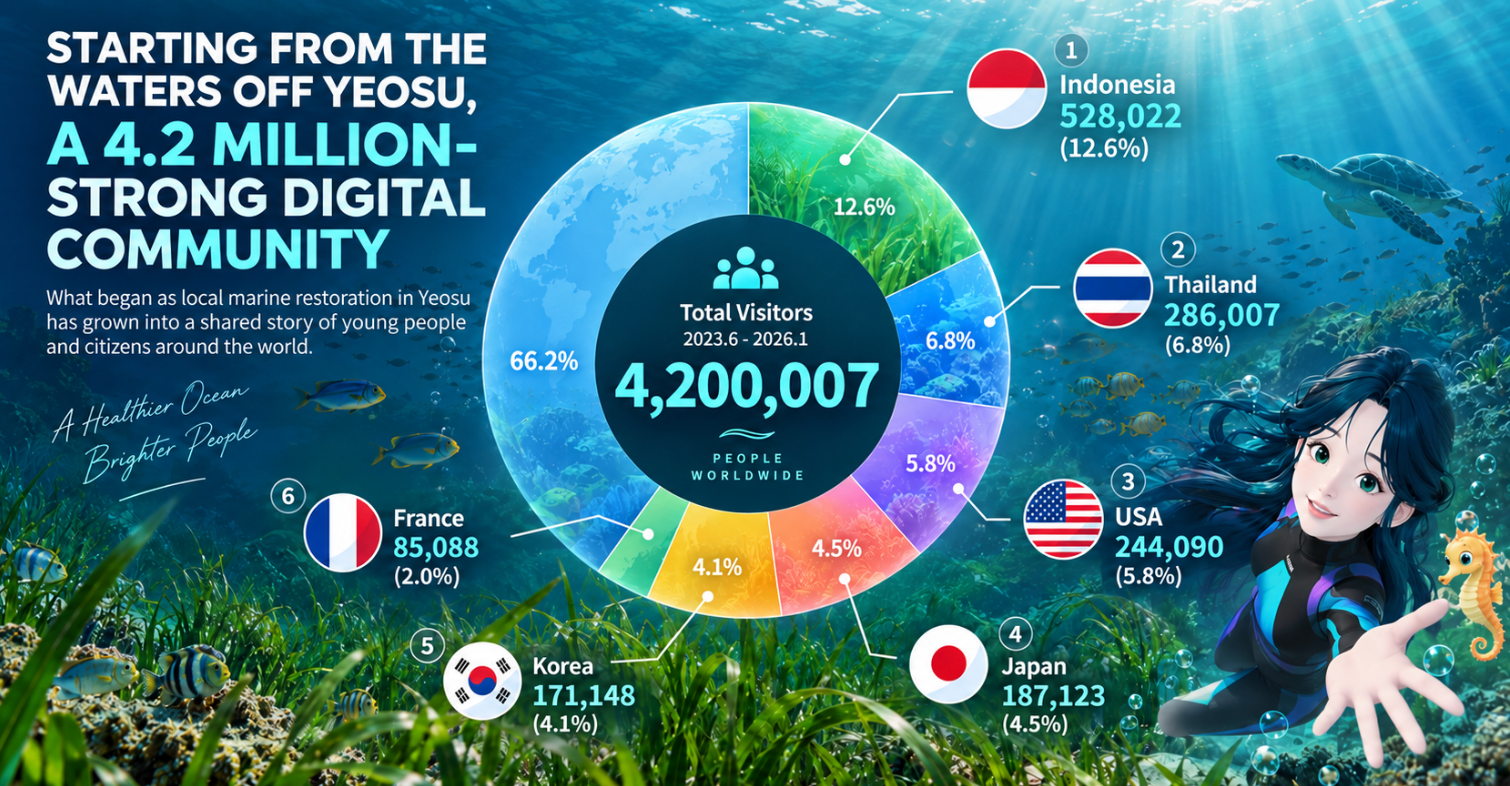
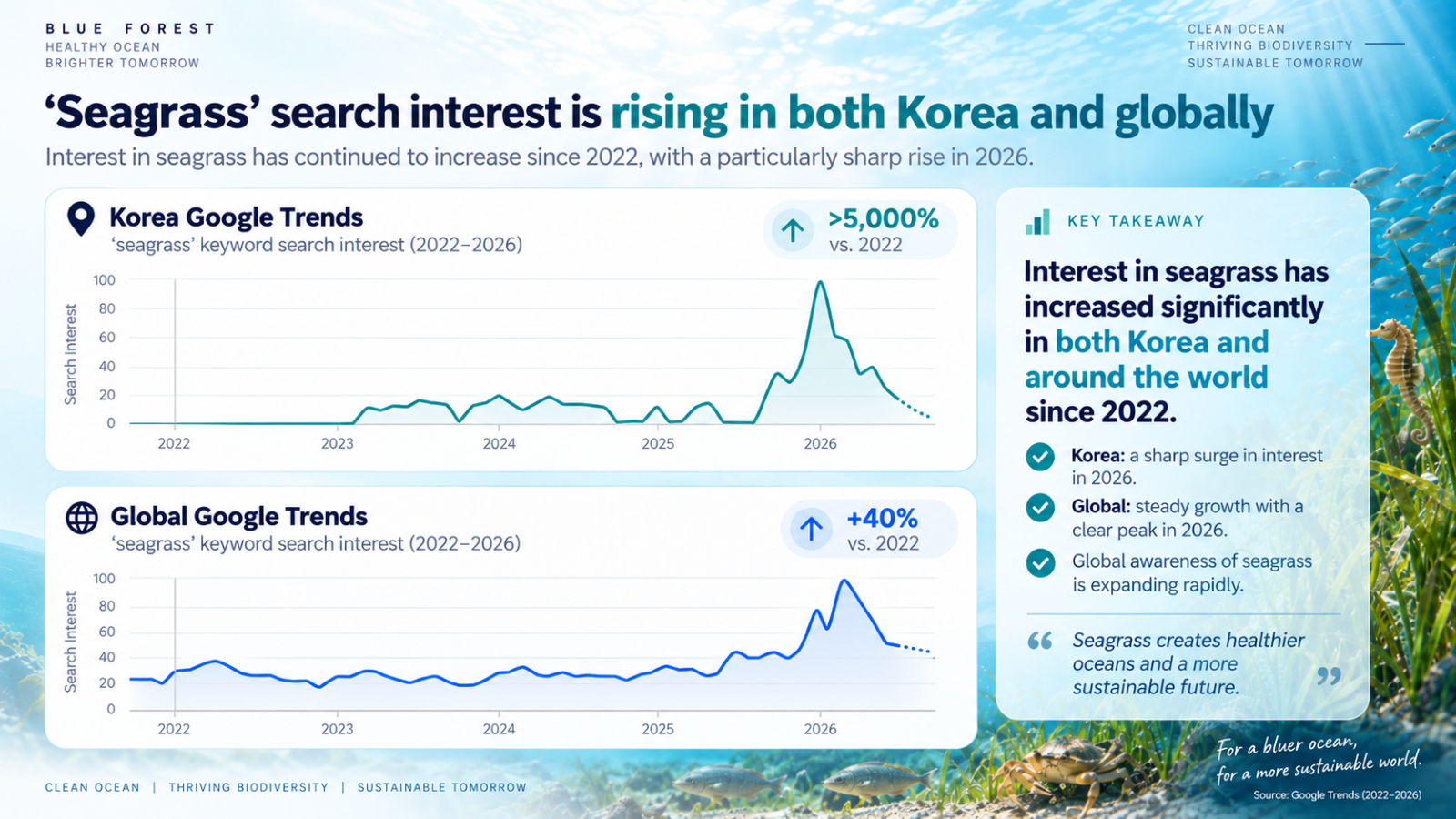
The presentation covered four years of the Blue Forest project, LG Chem's eelgrass (seagrass) habitat restoration off Daegyeongdo Island in Yeosu, which began in 2023. LG Chem, Yeosu City, the Korea Fisheries Resources Agency, Korea Food for the Hungry International, and ThanksCarbon carried it out together, and ThanksCarbon designed the project structure and the roles of each participant.
The team transplanted 50,000 seagrass shoots in 2023 and 20,000 more in 2024, for a total of 70,000. According to Korea Fisheries Resources Agency surveys from 2023 to 2025, seagrass coverage in the survey area grew from about 42.7 hectares to about 56.4 hectares, an increase of roughly 32%, and shoot density rose from about 50 to about 76 per square meter, up roughly 52%. Progress was quantified through diving surveys, drone imagery, and expert data analysis, and that measurement approach was shared alongside the results.
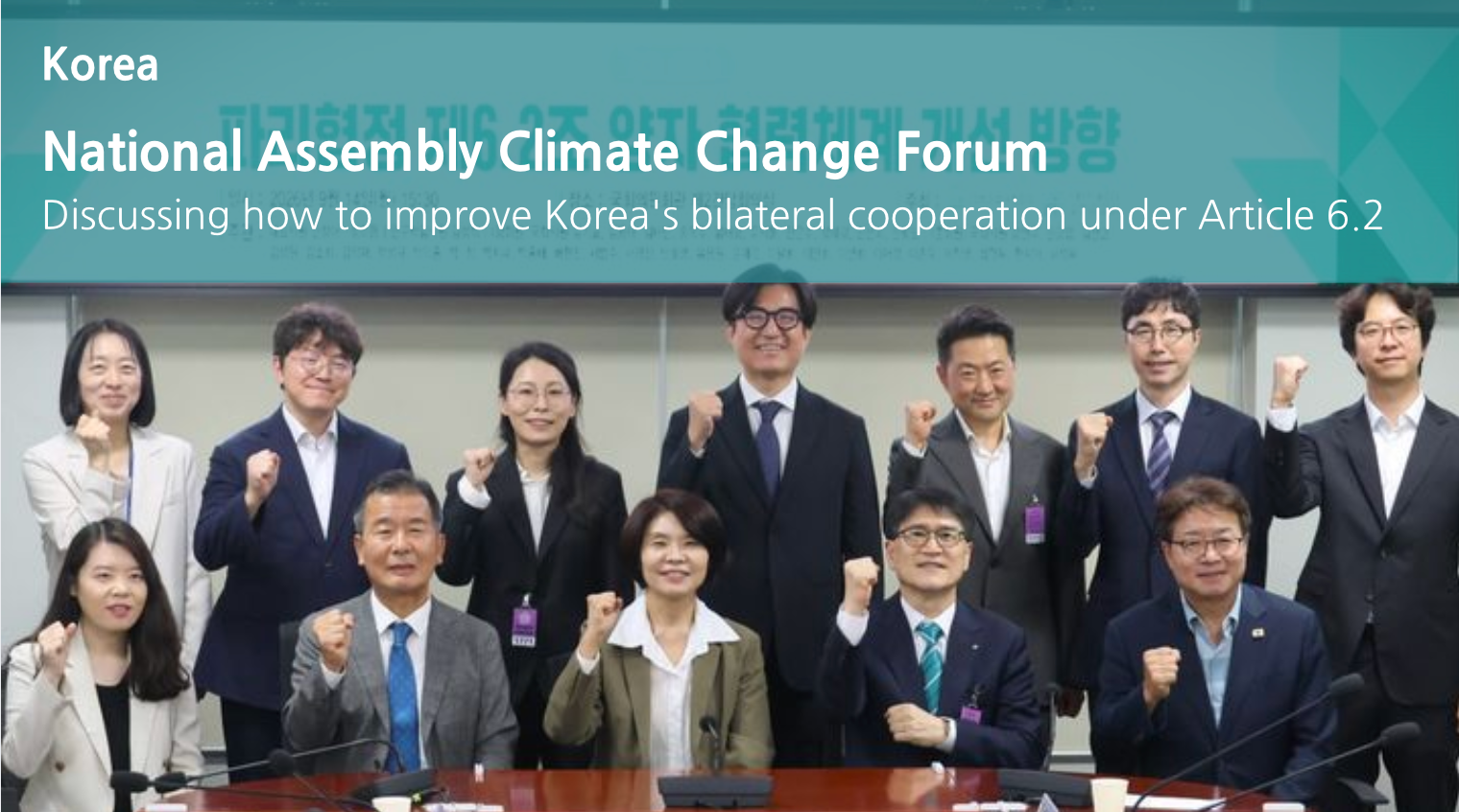
National Assembly Climate Change Forum
Discussing how to improve Korea's bilateral cooperation under Article 6.2
On September 14, the National Assembly Climate Change Forum held a seminar titled "Directions for Improving Bilateral Cooperation Frameworks under Article 6.2 of the Paris Agreement" at the National Assembly Members' Office Building, and ThanksCarbon attended. Article 6.2 provides the basis for transferring mitigation outcomes between countries.
The seminar reviewed the current state of Korea's bilateral cooperation framework and discussed ways to gain institutional flexibility and improve governance in support of the 2030 Nationally Determined Contribution (NDC). The presenters proposed, among other measures, a central secretariat under the Ministry of Climate, Energy and Environment and a shift in the offset recognition of the Korean Emissions Trading Scheme (K-ETS) toward Internationally Transferred Mitigation Outcomes (ITMOs). Forum co-chair Rep. Han Jeong-ae noted the need to strengthen the legal and institutional basis and to build an integrated, government-wide support system. ThanksCarbon joins the policy conversations that shape its projects, alongside the field work itself.
Bangladesh AWD Gas Chamber Samples Reach the Laboratory
Field measurements move into analysis
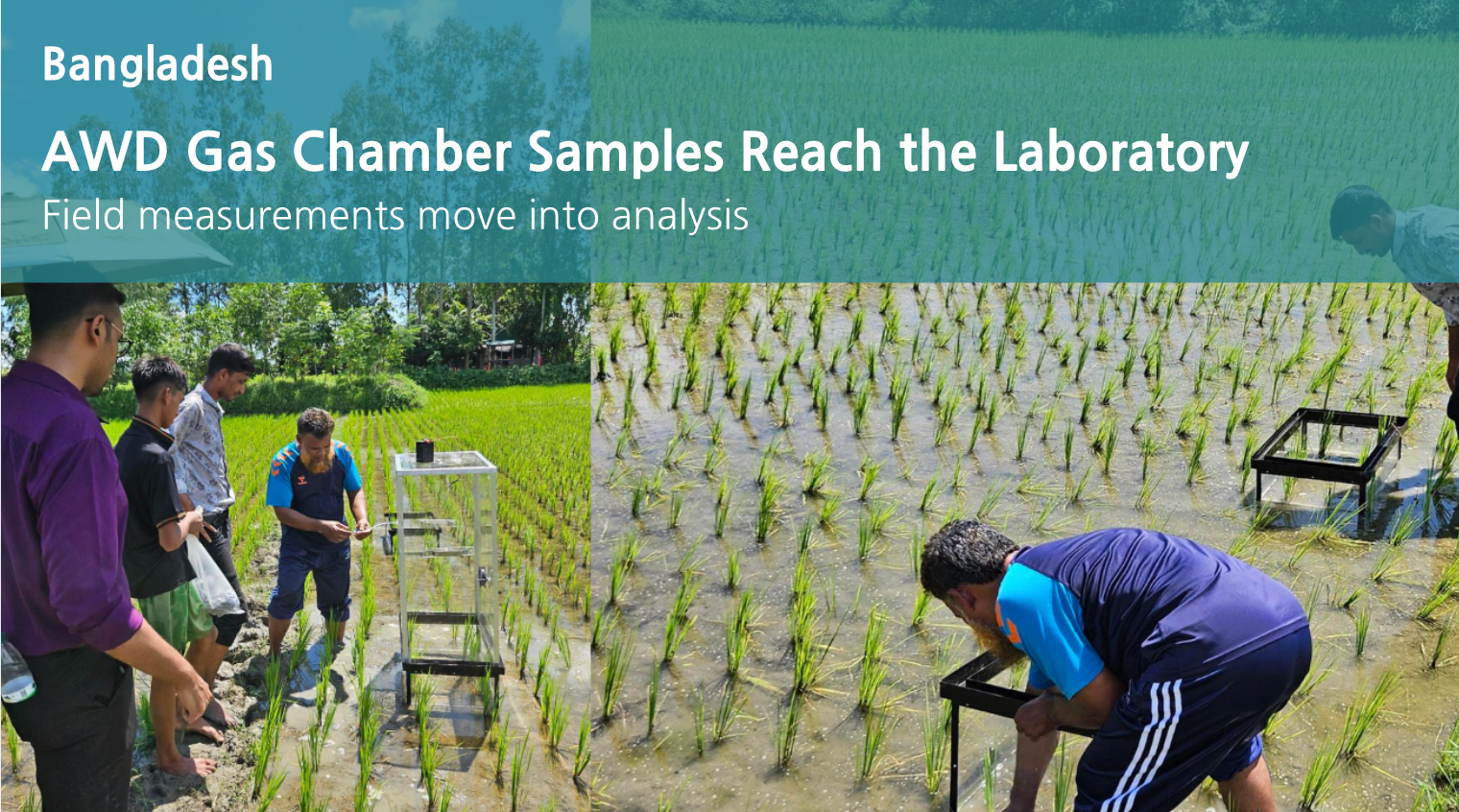
On September 8, methane samples collected from AWD fields in Narsingdi, Bangladesh, were delivered to the Bangladesh Rice Research Institute (BRRI). ThanksCarbon installed gas sampling chambers in these fields a few weeks earlier, and the field team has since been capturing the methane released from the paddies, sealing it, and building up samples over time.
The first batch was handed directly to Dr. Mozammel at BRRI for specialized analysis. Satellite data shows scale across thousands of hectares, while gas chambers provide ground-truth measurements from a single field. The credibility of a methane reduction figure rests on the measurement behind it, and this sampling is where that measurement begins.
Selected for the C3 Nature Impact Accelerator
A nature-based solutions accelerator with HSBC
In early September, ThanksCarbon was selected for the 2026 C3 Nature Impact Accelerator, run by C3 (Companies Creating Change) in partnership with HSBC. The program supports early-stage initiatives that restore ecosystems and build climate resilience through nature-based solutions (NbS), and this year's call drew more than 150 applications from 37 countries across the Middle East, North Africa, Türkiye, and Southeast Asia.
From September 2026 to January 2027, participants join online workshops and one-on-one coaching with sector experts, and the program concludes with a showcase event at HSBC's regional headquarters in Dubai. ThanksCarbon plans to extend the measurement capability it has built in rice methane reduction and digital MRV into natural capital and biodiversity.
Stay Connected
Are you ready to drive sustainable change with ThanksCarbon? Whether you're looking to scale agricultural impact or meet new biodiversity standards, we're here to collaborate.
Stay connected through our website or social channels to receive more updates and collaboration news. See you in our next edition!




의견을 남겨주세요