
In modern industrial systems, the display is no longer a simple output device. It serves as the primary interface between humans and machines, presenting real-time data, system status, alarms, and control options. Among various display interface technologies, LVDS (Low-Voltage Differential Signaling) displays have become a widely adopted solution in industrial environments due to their stability, noise immunity, and long-term reliability.
This article explores why LVDS displays are commonly used in industrial applications, how they work, and where they provide the greatest value compared to other display interfaces.
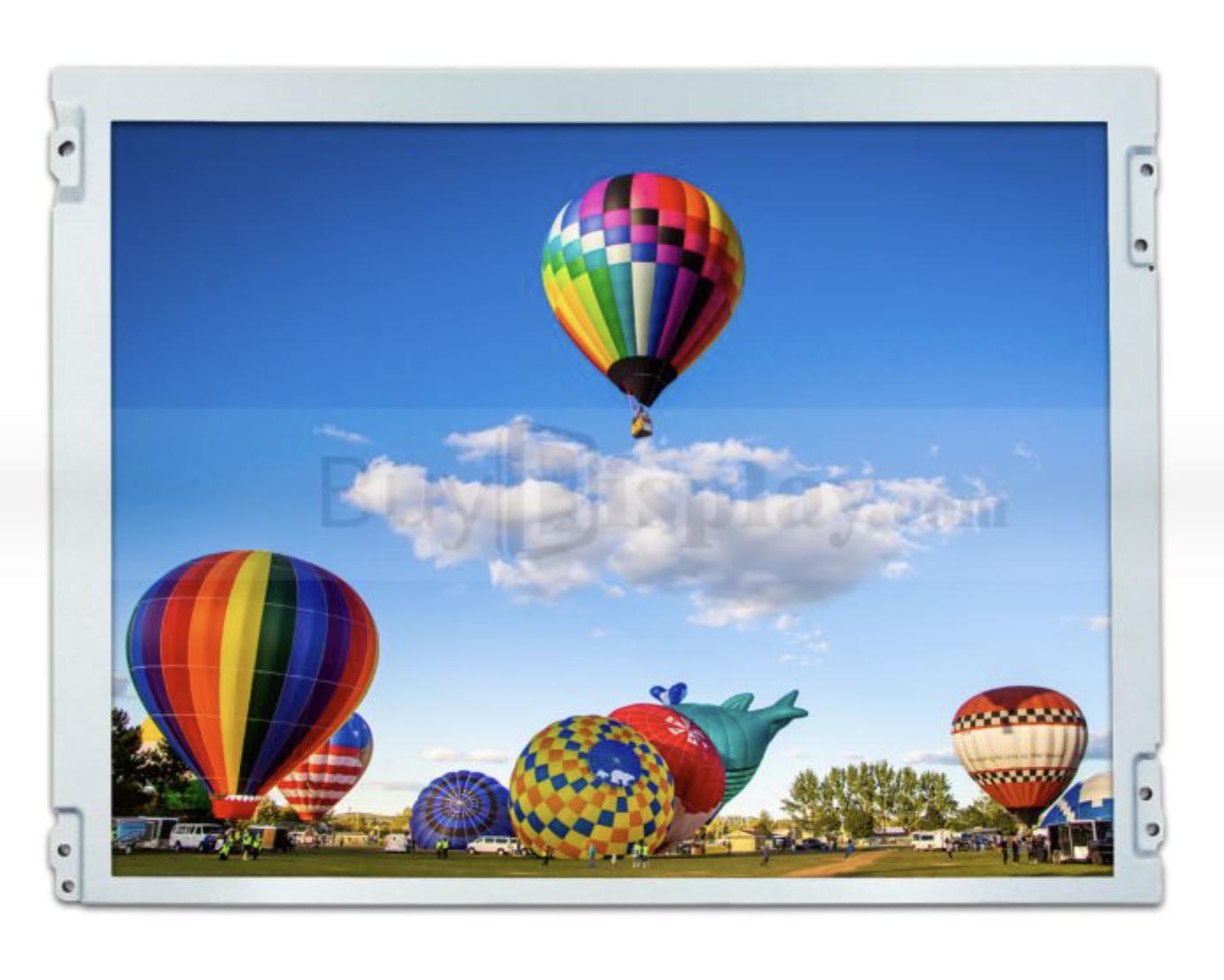
What Is an LVDS Display Interface?
LVDS is a high-speed digital interface that transmits data using differential signaling with low voltage swing. Instead of relying on single-ended signals, LVDS sends data over paired wires, where the receiver detects the voltage difference between the two lines. This approach significantly reduces electromagnetic interference (EMI) and improves signal integrity over longer distances.
In display systems, LVDS is typically used to transmit pixel data, synchronization signals, and control information from a processor or display controller to the TFT LCD panel.
Why LVDS Is Well-Suited for Industrial Environments
Industrial environments often introduce challenges that are less common in consumer electronics. These include electrical noise, long cable runs, vibration, temperature variation, and continuous operation. LVDS addresses many of these issues at the interface level.
One of the key advantages of LVDS is its strong resistance to noise. Because data is transmitted as a differential signal, common-mode noise picked up along the cable is largely canceled out at the receiver. This makes LVDS particularly suitable for factory floors, power equipment, and automation systems where motors, relays, and high-current devices are present.
Another important factor is signal stability over distance. LVDS can reliably transmit high-resolution display data over longer cables compared to parallel RGB interfaces, without significant signal degradation. This allows more flexibility in mechanical design, where the display may be mounted separately from the main control board.
Electrical Characteristics and Power Efficiency
LVDS operates at relatively low voltage levels, which reduces power consumption and heat generation at the interface. In industrial systems that run continuously for years, even small power savings at the signal level contribute to improved thermal stability and system longevity.
Lower voltage swing also means reduced EMI emissions, helping systems meet industrial EMC and regulatory requirements more easily. This is especially important for equipment deployed in regulated industries such as energy, transportation, and medical devices.
Display Resolution and Configuration Flexibility
LVDS supports a wide range of display resolutions commonly used in industrial HMIs. Typical configurations include single-channel and dual-channel LVDS, depending on resolution and color depth requirements.
Single-channel LVDS is often sufficient for displays such as 800×480 or 1024×600, which are common in control panels and operator terminals. Dual-channel LVDS is used for higher resolutions such as 1280×800, 1366×768, or Full HD panels where higher pixel bandwidth is required.
This scalability allows system designers to reuse similar architectures across different product tiers while adjusting display size and resolution based on application needs.
Long-Term Availability and Industrial Supply Chains
Unlike consumer display technologies that change rapidly, LVDS-based TFT panels are widely supported by industrial display manufacturers with long-term availability programs. Many industrial LVDS panels are guaranteed to remain in production for five to ten years or more, which is critical for industrial projects with extended lifecycles.
This long-term stability reduces redesign risk, simplifies spare parts management, and supports long-term maintenance contracts. For system integrators and OEMs, this is often a decisive factor when choosing an interface standard.
LVDS Compared to Other Display Interfaces
Compared to RGB parallel interfaces, LVDS offers better signal integrity, lower EMI, and reduced pin count. RGB interfaces may be suitable for short distances on a single PCB, but they become problematic when cables are involved or when operating in noisy environments.
Compared to MIPI-DSI, LVDS is less sensitive to cable length and connector quality. While MIPI is widely used in mobile devices, its shorter distance tolerance and tighter layout requirements can complicate industrial designs.
eDP is increasingly used in some industrial systems, but LVDS remains dominant in many segments due to its maturity, broad panel support, and proven reliability.
Typical Industrial Applications Using LVDS Displays
LVDS displays are commonly found in industrial control panels, factory automation HMIs, machine tools, and process monitoring systems. They are also widely used in transportation systems such as railway control terminals, marine displays, and in-vehicle industrial computers.
In medical equipment, LVDS displays are used in patient monitors, diagnostic systems, and portable medical devices where signal stability and reliability are essential. In energy and infrastructure projects, LVDS panels support outdoor or semi-outdoor displays combined with high-brightness TFT panels.
Integration with Embedded SBCs and Industrial PCs
Most industrial embedded SBCs and processors natively support LVDS output through integrated display controllers. This simplifies hardware design and software configuration, especially when using Linux or Android-based platforms.
Device tree configuration, timing setup, and backlight control for LVDS panels are well-documented and widely supported across industrial BSPs. This reduces development time and lowers integration risk for new projects.
Conclusion
LVDS displays continue to play a critical role in industrial systems where reliability, noise resistance, and long-term availability matter more than cutting-edge consumer features. Their electrical characteristics, flexible resolution support, and strong ecosystem make them a practical and proven choice for industrial HMIs and embedded display systems.
As industrial systems evolve toward higher levels of connectivity and visualization, LVDS remains a dependable foundation that balances performance, stability, and lifecycle requirements—qualities that are essential in real-world industrial applications.



의견을 남겨주세요