
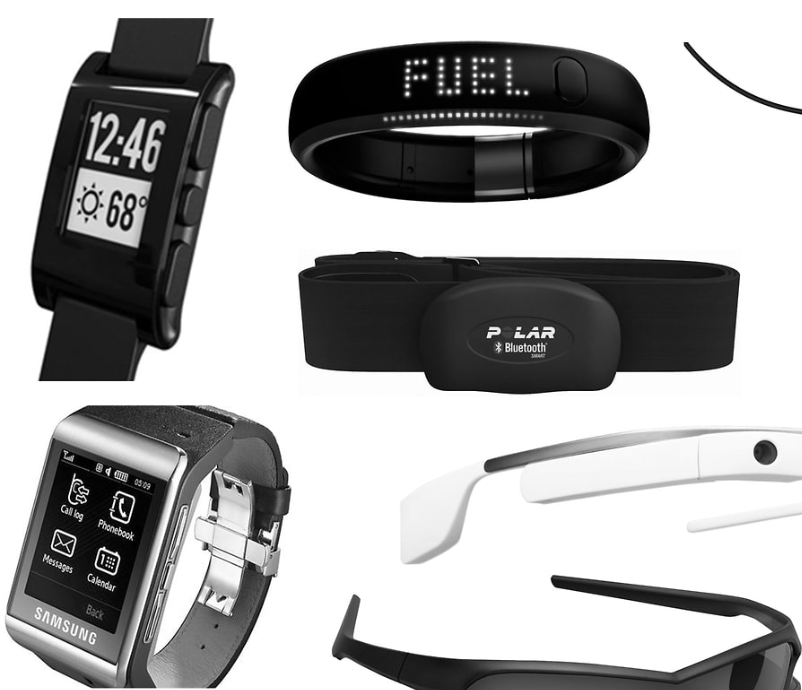
Tiny TFT displays — typically between **0.7″ and 2.0″** — have become a key component in modern wearable devices. From fitness bands to medical sensors and industrial wrist terminals, these compact screens must balance size, readability, power efficiency, and durability. This article explores why small TFT LCDs fit wearable applications so well, what engineers need to consider during design, and where these displays are commonly deployed.
---
Why Tiny TFT Displays Matter in Wearables
Wearable products operate under constraints that differ from traditional handheld or embedded devices:
- Very limited internal space
- Small batteries and strict power budgets
- Frequent motion and off-angle viewing
- Exposure to sweat, moisture, vibration, and temperature variations
Small TFT modules provide a practical balance of characteristics:
- Full-color UI for icons, graphs, and notifications
- Stable long-term performance with no burn-in
- Mature supply chain and predictable availability
- Lower cost than OLED for many use cases
For wearables that prioritize durability and cost efficiency, TFT LCDs remain an optimal display technology.
---
Common Sizes and Formats
Wearable devices use a variety of tiny display shapes:
- **0.7–1.0 inch** ultra-compact rectangular displays
- **1.1–1.5 inch** squares for wristbands and medical patches
- **1.3–2.0 inch** round or square smartwatch-class screens
Typical resolutions include:
- 80×160, 128×128, 128×160
- 240×240, 240×320 (square or round)
The physical format directly influences UI layout and device ergonomics.
---
Electrical Interfaces for Small TFT Displays
Because wearables require small connectors and minimal signal routing, two interfaces dominate:
SPI
- Lowest pin count
- Easy to use with low-power MCUs
- Ideal for static or moderately animated UIs
- Common for displays up to ~1.5″
MIPI DSI (1–2 lane)
- High bandwidth for smooth animations
- Suited for 240×240 and above
- Used in smartwatches and more advanced wearables
- Requires a more capable SoC and careful PCB design
The choice affects power, performance, and BOM complexity.
---
Optical Requirements for Wearables
A wearable screen must remain readable in variable lighting conditions.
Brightness Levels
- Indoor wearables: **200–400 nits**
- Outdoor / sports devices: **600–1000 nits**
Viewing Angle
IPS-type TFTs are preferred for devices that users glance at from multiple angles or while moving.
Surface Treatments
Depending on the product environment, wearables may include:
- Anti-glare (AG)
- Anti-fingerprint (AF)
- Hardened or chemically strengthened cover glass
- Optical bonding for outdoor readability
These treatments enhance usability and durability.
---
Power Management Strategies
Since the display is often one of the highest power consumers, careful tuning is essential:
- PWM or constant-current backlight dimming
- Dark UI themes to reduce average brightness
- Partial refresh on SPI displays
- Lower frame rates when animations aren’t needed
- Aggressive sleep dimming or screen-off timers
Well-optimized UI behavior can significantly extend battery life.
---
Mechanical and Environmental Design
Wearables face mechanical stress and environmental exposure that typical handheld devices do not:
- Bending force from straps or wrist movement
- Continuous contact with moisture and sweat
- Accidental bumps, drops, and vibration
- Outdoor temperature fluctuation
Key design considerations include:
- Strengthened or laminated lenses
- Waterproof sealing (IPx ratings)
- Reinforced module edges
- Wide operating temperature options
---
Typical Use Cases
Fitness Bands
- Displays around **0.96–1.1 inches**
- Simple icons, step count, heart-rate graphs
- High sunlight readability required
Smartwatches
- Round or square **1.2–1.6 inch** displays
- Higher resolution and animation capability
- Touch support (single- or multi-touch)
Medical Wearables
Examples include:
- Glucose monitors
- ECG/PPG patches
- Portable infusion devices
Priorities: clarity, stability, and material safety.
Industrial Wearables
Used for:
- Barcode scanning wrist terminals
- Maintenance assistant devices
- Worker safety monitors
Durability, brightness, and glove-friendly interfaces are crucial.
Outdoor / Sports Devices
Examples: cycling computers, GPS trackers, dive computers
- High brightness
- Rugged housing
- Reliable performance in extreme temperatures
---
UI Design Guidelines for Tiny Screens
Small displays require focused visual design:
- One primary function per screen
- Large icons and high-contrast colors
- Limited text, short labels
- Clear gesture or button navigation
- Test UI in sunlight and during motion
Good UI design often matters more than resolution alone.
---
Selecting a Tiny TFT Module
Important factors include:
- Physical size and shape
- Resolution
- Interface (SPI or MIPI)
- Brightness and contrast
- Power consumption
- Touch integration
- Durability and operating temperature
- Long-term component availability
Choosing the right module early in development prevents costly redesigns.
---
Conclusion
Tiny TFT displays play a crucial role in the usability of modern wearable devices. Their balance of durability, cost, color capability, and stable performance makes them ideal for fitness products, medical wearables, industrial tools, and outdoor equipment. As wearables continue to evolve, compact TFT LCDs will remain an essential interface between small embedded systems and the users who depend on them.



의견을 남겨주세요