
Modern industrial equipment no longer relies on simple LED indicators or segmented displays. Whether it is a factory HMI, a building automation controller, a medical instrument, or a self-service terminal, users now expect responsive touch interfaces, smooth graphics, and network connectivity. At the same time, these devices must operate reliably for years in environments that are far more demanding than consumer electronics.
This shift has driven the growing adoption of Android display modules in embedded system design.
An Android display module combines an industrial TFT display, a touch panel, and an Android-based embedded board into a single integrated unit. Instead of treating the CPU board, LCD panel, and touch controller as separate subsystems that must be tuned individually, engineers can work with a validated and pre-integrated HMI platform. This reduces integration risk and shortens development cycles.
What Is an Android Display Module?
An Android display module is a pre-engineered human-machine interface solution designed specifically for embedded and industrial use. It typically includes:
- Industrial-grade TFT LCD panel
- Capacitive (PCAP) or resistive touch panel
- Android-based embedded board with SoC, RAM, and storage
- Pre-configured display, touch, and system drivers
Unlike consumer tablets, these modules are not closed products. They are built for system integration, mechanical customization, and long lifecycle support.
For embedded product teams, this approach significantly reduces the risks associated with display timing, touch sensitivity, power sequencing, and Android driver compatibility. The core HMI stack is already validated as a working platform.
Why Android in Industrial Applications?
Android provides several practical advantages for embedded HMI development:
Mature graphics and UI framework
Strong multimedia capabilities
Flexible application development environment
Built-in networking and security support
Large developer ecosystem
In many industrial systems, development time is critical. Android allows teams to build modern graphical interfaces more quickly than creating custom UI frameworks from scratch. When paired with industrial-grade hardware, Android becomes suitable not only for consumer devices but also for automation, healthcare, and commercial systems.
Display Options and Performance
Android display modules are available in multiple sizes and performance levels to match application needs.
Typical configurations include display sizes from 3.5 inches to 15.6 inches, with resolutions ranging from WVGA to Full HD. IPS panels are commonly used to ensure wide viewing angles. Brightness options typically range from 400 nits for indoor use to 1000 nits or higher for outdoor applications. Wide operating temperature variants are also available for harsh environments.
For outdoor installations or high-ambient-light environments, higher brightness combined with optical bonding can significantly improve visibility and reduce reflections.
This flexibility allows the same design concept to serve indoor control panels, outdoor kiosks, and industrial equipment.
Supported Android Platforms
Industrial Android display modules are commonly built around ARM-based SoCs such as:
- Rockchip PX30
- Rockchip PX3288
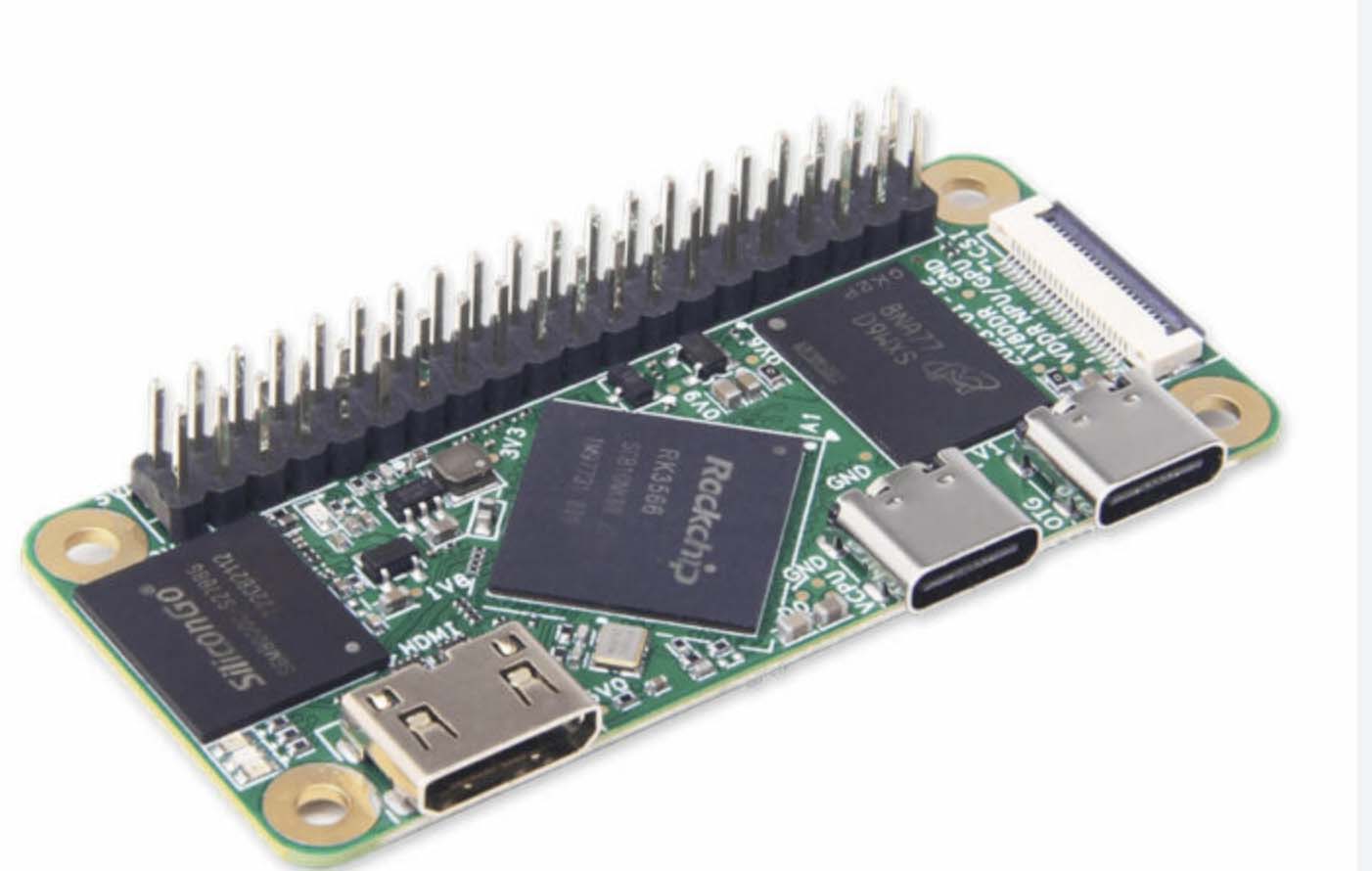
- Rockchip RK3566
- Rockchip RK3576
These processors offer a balance between performance, power efficiency, and long-term supply stability.
Android versions typically include Android 11, Android 12, and Android 14, depending on project requirements. In industrial applications, maintaining a stable and well-supported BSP is often more important than always using the newest OS version.
Touch and Mechanical Customization
Touch interaction is central to modern HMI systems. Android display modules can support projected capacitive touch with options for glove operation and water resistance. In specific environments, resistive touch panels may also be selected.
The cover glass can be customized to match product design and branding requirements. Customization options include thickness adjustment, irregular shapes, logo printing, black mask borders, and surface treatments such as anti-glare or anti-fingerprint coatings. Optical bonding can be applied to enhance clarity, durability, and structural strength.
This level of customization ensures that the module fits both functional and visual requirements of the final product.
Typical Applications
Android display modules are widely used in:
Industrial automation panels
Building management and HVAC controllers
Medical and laboratory equipment
Self-service kiosks and vending machines
Access control and attendance terminals
Agricultural monitoring and irrigation systems
In these scenarios, the combination of flexible UI design and industrial-grade hardware reliability is essential. For example, a sunlight-readable touch interface in an irrigation control system must remain visible outdoors while operating stably across temperature variations.
Customization and Integration Services
Standard modules often serve as a starting point. Industrial projects frequently require further customization, such as:
Display and touch parameter adjustments
Mechanical mounting adaptations
I/O configuration including GPIO, UART, RS485, CAN, USB, and Ethernet
Android system customization such as boot logo, feature optimization, and OTA update support
A complete solution must support the full product lifecycle, from early prototypes to mass production.
Engineering Considerations
When selecting an Android display module, engineers typically evaluate:
- Long-term component availability
- Thermal performance under sustained load
- Power consumption profile
- EMI and ESD robustness
- BSP and software maintenance strategy
Industrial devices often remain in service for many years. Platform stability and supplier support are therefore critical factors in decision-making.
From Concept to Production
A structured development process usually includes:
Requirement analysis
Hardware and platform proposal
Sample validation and testing
Pilot production
Mass production ramp-up
Using a pre-integrated Android display module reduces development time because the core hardware platform has already been validated. Teams can focus on application-level functionality rather than low-level hardware debugging.
Conclusion
Android display modules provide a practical bridge between consumer-level user experience and industrial-grade reliability. By integrating display, touch, and embedded computing into a unified platform, they reduce system complexity and accelerate product development.
For embedded and industrial system designers, the real value of an Android display module lies not only in performance specifications, but in stability, customization flexibility, and long-term lifecycle support. As industrial devices continue to demand richer interfaces and stronger connectivity, integrated Android HMI platforms will remain a key foundation for modern product design.



의견을 남겨주세요