
Hello, ladies and gentlemen. I'm the "Environmental Bank" with all the worldwide environmental issues. Today, we’ll take a closer look at the topic "Snow leopards’ low genetic diversity puts future at risk".
안녕하세요. 환경 관련 이슈들을 모두 보유하고 있는 "환경뱅크"입니다. 오늘은 "눈표범의 낮은 유전적 다양성이 종의 미래를 위협한다?"에 대한 주제에 대해서 자세히 알아봅시다.
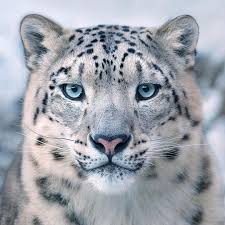
What is the issue?
Snow leopards face a serious risk to their long-term survival due to very low genetic diversity. As their global population is only about 4,500–7,500 individuals, this limited gene pool makes them less adaptable to rapid environmental changes, especially global warming.
문제는 무엇인가요?
눈표범은 매우 낮은 유전적 다양성 때문에 장기적인 생존에 심각한 위협을 받고 있습니다. 전 세계 개체 수가 약 4,500~7,500마리에 불과해, 유전자 풀이 제한되어 있고 이로 인해 기후 변화 등 급격한 환경 변화에 적응하기 어렵습니다.
Why is low genetic diversity a problem?
When a species has low genetic diversity, it means there is less variation in DNA among individuals. This reduces their ability to adapt to new diseases, habitat shifts, or climate stress. Moreover, it increases the risk of extinction if conditions change too quickly over time.
유전적 다양성이 낮으면 왜 문제가 되나요?
유전적 다양성이 낮다는 것은 개체 간 DNA 변이가 적다는 뜻입니다.
이는 새로운 질병이나 서식지 변화, 기후 스트레스에 대한 적응 능력을 떨어뜨리고, 환경이 빠르게 변할 경우 멸종 위험을 높이는 요인이 됩니다.
Where do snow leopards live, and why is their habitat important?
They inhabit arid, mountainous regions across 12 Asian countries — including Russia, Afghanistan, Nepal, and Tibet. These regions are harsh but stable, allowing snow leopards to specialize for extreme conditions. However, this specialization makes them vulnerable when the climate or habitat changes.
눈표범은 어디에 살며, 그 서식지는 왜 중요한가요?
눈표범은 러시아, 아프가니스탄, 네팔, 티베트 등 아시아 12개국의 건조하고 험준한 산악 지대에 서식합니다. 이 지역은 가혹하지만 안정된 환경으로, 눈표범이 극한 조건에 맞춰 진화해 왔습니다. 그러나 이런 특화된 적응력은 오히려 기후나 서식지가 바뀔 때 큰 취약점이 됩니다.
What did the researchers discover about their genetics?
A Stanford-led study analyzed 41 snow leopard genomes (35 wild and 6 zoo individuals).
- It revealed that snow leopards have extremely low genetic diversity.
- However, they also have a low “homozygous load,” meaning fewer harmful duplicate mutations — a result of natural “purging” over generations.
- This suggests they have stayed genetically stable and relatively healthy despite their small population.
연구진은 유전적으로 어떤 사실을 밝혔나요?
스탠퍼드대 연구팀은 야생 35마리와 동물원 개체 6마리 등 총 41마리의 눈표범 유전체를 분석했습니다.
그 결과, 눈표범은 극도로 낮은 유전적 다양성을 지녔지만 동시에 유해한 돌연변이를 중복으로 물려받을 확률이 낮은 것으로 나타났습니다.
이는 오랜 세월 동안 자연선택을 통해 해로운 유전자가 세대별로 걸러진 결과로 해석되며, 적은 개체 수에도 불구하고 비교적 건강한 유전적 안정성을 유지해왔음을 시사합니다.
How does this compare to other big cats?
Other species like cheetahs or Florida panthers suffered population crashes (“bottlenecks”), losing diversity rapidly. Snow leopards, in contrast, have had a small but stable population for a long time. Despite this stability, they may still struggle to handle future environmental stress such as climate change.
다른 대형 고양잇과 동물들과 비교하면 어떤가요?
치타나 플로리다퓨마와 같은 종은 개체 수가 급격히 줄어드는 ‘유전적 병목 현상’을 겪으며 유전적 다양성을 빠르게 잃었습니다.
반면 눈표범은 오랜 기간 동안 적은 개체 수로 안정적으로 유지되어 왔지만, 향후 기후 변화와 같은 환경적 스트레스에 대응하기는 여전히 어렵습니다.
What new challenges do snow leopards face?
Snow leopards now face new challenges, with climate change emerging as the greatest threat to their survival. Although their remote mountain habitats once protected them from human activity, rising global temperatures are now transforming entire ecosystems, even in these isolated regions. As a result, any decline in their prey or habitat could quickly push snow leopards toward extinction, given their already small and vulnerable population.
눈표범이 직면한 새로운 위협은 무엇인가요?
현재 눈표범에게 가장 큰 위협은 기후 변화입니다.
예전에는 험준한 산악 서식지가 인간의 간섭을 막아주었지만, 이제는 지구 온난화로 인해 그 지역의 생태계 전체가 변화하고 있습니다.
이로 인해 먹잇감이나 서식지가 줄어들면, 이미 개체 수가 적고 유전적으로 취약한 눈표범은 쉽게 멸종의 길로 내몰릴 수 있습니다.
How can this research help conservation efforts?
This research provides valuable genetic data that lays the groundwork for more targeted and effective conservation strategies. Scientists are also developing non-invasive genetic testing methods, using fecal samples to study wild snow leopards without needing to capture or disturb them. Protecting snow leopards is especially important because they are a keystone species — their decline would signal the deterioration of the broader ecosystem across the high mountain regions of Asia.
이 연구는 보전에 어떻게 도움이 되나요?
이번 연구는 정확하고 과학적인 보전 전략을 세울 수 있는 유전 정보 기반을 제공합니다.
또한 과학자들은 눈표범을 포획하지 않고도 배설물 샘플을 이용한 비침습적 유전자 분석법을 개발 중입니다.
눈표범은 생태계의 핵심종으로, 이들의 감소는 아시아 고산 지대 전체 생태계의 붕괴를 의미하기 때문에 눈표범 보호는 곧 생태계 전체의 보전과 직결됩니다.
Wrap up
Reading about this research made me realize how fragile yet interconnected our ecosystems are. I was surprised that snow leopards, despite being such powerful animals, face a huge survival risk simply because of their low genetic diversity. It shows how even a stable species can become vulnerable when climate change disrupts their environment. I also found it inspiring that scientists are using advanced genetic methods to protect them without harming their natural behavior. It reminded me that conservation isn’t just about saving one species — it’s about preserving the balance of entire ecosystems that depend on each other for survival.
마무리
이 연구를 읽으며 생태계가 얼마나 섬세하면서도 서로 긴밀히 연결되어 있는지 깨닫게 되었다. 강하고 위엄 있는 동물인 눈표범이 유전적 다양성이 낮다는 이유만으로 생존의 위기에 처해 있다는 사실이 놀라웠다. 이는 기후 변화로 환경이 흔들릴 때, 겉보기에는 안정적으로 보이는 종조차 쉽게 취약해질 수 있음을 보여준다. 또한 과학자들이 눈표범의 자연스러운 행동을 해치지 않으면서도 보호하기 위해 첨단 유전 기술을 활용한다는 점이 인상 깊었다. 이 연구 결과를 통해 나는 보전이 단순히 한 종을 구하는 일이 아니라, 서로 의존하며 살아가는 생태계 전체의 균형을 지키는 일임을 다시금 느꼈다.



의견을 남겨주세요