
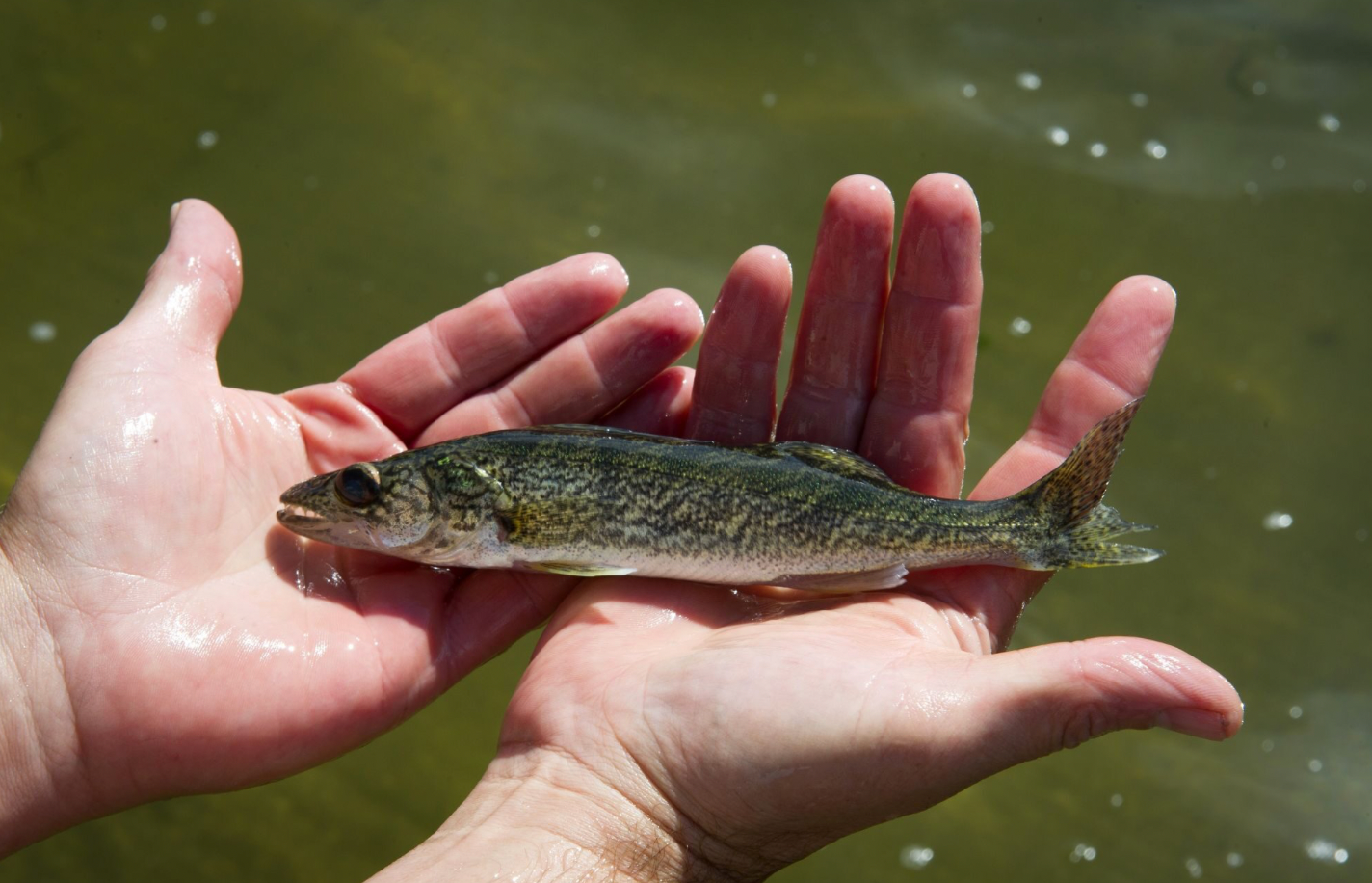
Hello, ladies and gentlemen. I'm the "Environmental Bank" with all the worldwide environmental issues. Today, we’ll take a closer look at the topic "Fishes, young and old, are shrinking in Michigan’s inland lakes".
안녕하세요. 환경 관련 이슈들을 모두 보유하고 있는 "환경뱅크"입니다. 오늘은 "미시간 내륙 호수에서 어린 물고기부터 늙은 물고기까지 모두 작아지고 있다?"에 대한 주제에 대해서 자세히 알아봅시다.
What is the issue?
Michigan’s inland lake fish are getting smaller. A 75-year study from the University of Michigan shows that many species, especially the youngest and oldest individuals, have significantly declined in body size since 1945. Out of 125 species-age combinations, 58 showed measurable change, and 46 of them shrank. Climate change is the leading driver behind these long-term biological shifts.
문제는 무엇인가?
미시간주의 내륙 호수에서 서식하는 물고기들의 체장이 꾸준히 줄어들고 있다. 미시간대학교의 75년 장기 연구에 따르면 특히 어린 개체와 가장 나이가 많은 개체에서 감소 폭이 두드러졌다. 조사된 125개의 ‘종-연령’ 조합 중 58개에서 크기 변화가 나타났고, 그중 46개는 실제로 더 작아진 것으로 확인됐다. 이러한 장기적 생물 변화의 핵심 요인은 기후 변화로 분석된다.
Why are fish getting smaller?
Rising water temperatures, changing seasonal patterns, and altered climate variables are reshaping fish growth rates and metabolic demands. Warmer conditions accelerate some processes while disrupting others, resulting in slower overall growth for many species. Because environmental variables affect each species and age group differently, the changes are uneven but widespread.
Key factors include:
- Increasing lake temperatures
- Shorter or inconsistent ice cover
- Shifts in seasonal food availability
- Long-term metabolic stress caused by warming
왜 물고기가 작아지고 있을까?
수온 상승, 계절 패턴의 교란, 그리고 다양한 기후 변수의 변화가 물고기 성장 속도와 대사 활동을 뒤흔들고 있다. 따뜻해진 환경은 일부 과정을 빠르게 만들지만 다른 생리 과정을 방해해, 종들 대부분에서 전반적인 성장 둔화를 초래한다. 환경 변화가 종마다, 연령층마다 다르게 작용하기 때문에 현상은 불균등하지만 전반적으로 광범위하게 나타난다.
주요 원인 요인:
- 호수 수온 상승
- 얼음 덮임 기간의 단축 또는 불규칙성
- 계절별 먹이 공급 변화
- 장기적 온난화로 인한 대사 스트레스
Who is affected?
The most dramatic size declines are occurring in the youngest and oldest fish.
- Young fish are now smaller and more vulnerable to gape-limited predators that can only swallow prey that fits in their mouths.
- Old fish are losing the large body size that once helped them stabilize social behavior, learning patterns, and, indirectly, ecosystem health.
Both ends of the age spectrum play outsized roles, and shrinking sizes weaken their ability to sustain population growth and ecological balance.
어떤 물고기들이 영향을 받고 있을까?
크기 감소가 가장 심각한 연령대는 어린 물고기와 가장 나이가 많은 물고기다.
- 어린 물고기는 몸집이 작아지며, 입 크기(gape)에 제한이 있는 포식자에게 훨씬 쉽게 잡아먹히는 상황이 되었다.
- 나이 많은 물고기는 예전처럼 큰 몸집을 유지하지 못해, 집단 내 사회적 행동 안정, 학습 전파, 더 나아가 생태계 건강 유지에 기여하던 능력이 약해지고 있다.
이 두 연령층은 개체군 유지와 생태계 균형에서 모두 핵심적인 역할을 하고 있기 때문에, 크기 축소는 생태계 전반의 회복력까지 약화시킨다.
Why does this matter for the ecosystem?
Smaller juveniles lead to higher predation rates, which can diminish current and future generations. Smaller older fish reduce social learning, dominance stability, and the resilience of fish communities. When both groups lose size simultaneously, the entire ecosystem becomes more fragile.
생태계에는 어떤 영향이 있을까?
작아진 어린 개체는 높은 포식 위험에 놓여 미래 세대까지 위협할 수 있다. 한편, 체장이 줄어든 노년 개체는 사회적 학습, 우위 구조 안정, 집단 회복력 등 다양한 생태 기능을 제대로 수행하지 못한다. 두 연령층에서의 감소가 동시에 일어나면서 생태계 전체가 더 취약해지는 결과를 낳는다.
Why does this matter for fisheries and people?
Michigan’s Department of Natural Resources determines fishing regulations such as minimum size limits and harvest quotas. If fish continue shrinking, these policies may no longer match biological realities. Smaller fish could reduce recreational quality, affect local economies, and require new management strategies.
Implications for fisheries managers:
- Size-based regulations may need revision
- Stock assessments must account for climate-driven size changes
- Harvest rules may shift to protect vulnerable age groups
어업과 사람들에게는 어떤 의미인가?
미시간주 천연자원부(DNR)는 물고기 개체군을 유지하기 위해 최소 포획 크기, 최대 포획량 같은 규정을 운영한다. 그런데 물고기가 계속 작아진다면 기존 규정이 실제 생물학적 상황과 맞지 않게 된다. 이는 낚시 자원, 지역 경제, 어종 관리 방식 전반에 영향을 미칠 수 있다.
관리 측면에서의 시사점:
- 크기 기준 규정을 새로 검토해야 함
- 자원 평가 시 기후 변화로 인한 체장 변화를 반영해야 함
- 특정 연령층 보호를 위한 포획 규칙 조정 필요
How was the study conducted?
Researchers examined 75 years of fish observation cards from 1,497 inland lakes. Fish ages were determined by reading growth rings on scales, similar to tree-ring dating. Global volunteers helped digitize these records through Zooniverse, enabling large-scale analysis across species and decades. Support came from the NSF and the Michigan Institute for Data and AI in Society.
연구는 어떻게 이루어졌는가?
연구팀은 1,497개 내륙 호수에서 수집된 75년치 어류 관측 카드를 분석했다. 물고기 나이는 나무의 나이테처럼 비늘의 성장 링을 읽어 판단했다. 전 세계 시민 과학자들이 Zooniverse에서 기록을 디지털화해주며 방대한 자료 분석이 가능해졌다. 연구는 NSF와 미시간 데이터·AI 연구소의 지원을 받았다.
What comes next?
The team plans to expand the study using the University of Michigan Museum of Zoology’s archive of 3.5 million fish specimens. These historical samples will allow researchers to go further back in time and include more species, especially those not traditionally monitored for fisheries. Future work will also explore which specific climate variables are driving the most dramatic size changes.
Upcoming research directions:
- Identifying which climate factors most affect size trends
- Studying additional Michigan-native species
- Integrating museum specimens into the dataset
- Developing predictive models for fisheries management
앞으로의 연구 방향은?
연구진은 미시간대학교 동물학 박물관에 보관된 350만 점 이상의 어류 표본까지 포함해 연구 범위를 확장할 계획이다. 이를 통해 더 오래된 시기, 더 많은 종에 대한 분석이 가능해진다. 또한 어떤 기후 요소가 가장 큰 영향을 미치는지, 왜 종마다 반응이 다른지 등을 규명하려 한다.
향후 연구 목표:
- 체장 변화에 가장 큰 영향을 주는 기후 변수 파악
- 추가적인 미시간 토종 어종 연구
- 박물관 표본과 기존 데이터의 통합
- 미래 어업 관리를 위한 예측 모델 개발
Wrap up
This study made me realize how subtle climate impacts can quietly reshape entire ecosystems. I was surprised that something as small as a change in body size could make young fish easier prey and weaken the roles of older fish. It also showed how decades of community data can reveal long-term shifts we wouldn’t notice otherwise. Overall, it reminded me that even small biological changes can signal much larger stresses on our environment.
마무리
이번 연구를 통해 기후 변화가 얼마나 조용하지만 깊게 생태계를 바꿀 수 있는지 실감하게 됐다. 체장 변화처럼 작은 생물학적 변화가 어린 개체의 생존을 위협하고, 나이 든 개체의 역할까지 약화시킨다는 점이 특히 인상적이었다. 또한 수십 년간 축적된 시민 과학 데이터가 이러한 장기적 변화를 드러내 준다는 사실도 놀라웠다. 작은 변화처럼 보이지만, 이런 신호들이 결국 환경이 겪고 있는 큰 스트레스를 보여준다는 점을 다시 느끼게 했다.



의견을 남겨주세요