
Hello, ladies and gentlemen. I'm the "Environmental Bank" with all the worldwide environmental issues. Today, we’ll take a closer look at the topic "Does Nesting Heat Affect Sea Turtle Hatchling ‘IQ’?"
안녕하세요. 환경 관련 이슈들을 모두 보유하고 있는 "환경뱅크"입니다. 오늘은 "둥지의 온도는 바다거북 새끼의 ‘IQ’에 영향을 미칠까?"에 대한 주제에 대해서 자세히 알아봅시다.
What is the issue?
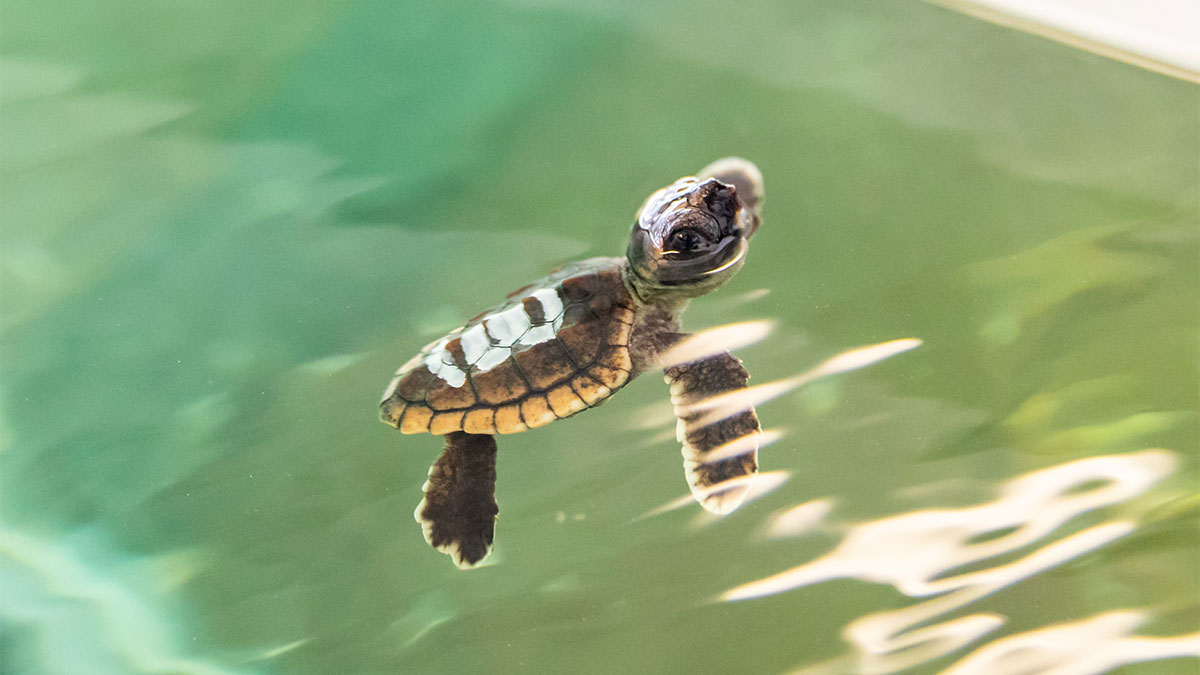
Rising sand temperatures are threatening sea turtles. Specifically, hotter nests skew sex ratios toward females, lower hatching success, slow growth, and increase deformities.
문제는 무엇인가요?
모래 온도가 상승하면서 바다거북의 생존이 위협받고 있습니다. 특히, 더 높은 온도의 둥지는 암컷 비율을 높이고, 부화 성공률을 낮추며, 성장을 늦추고, 기형 발생률을 증가시킵니다.
What is the correlation between temperature and the turtle’s IQ?
Surprisingly, the study found no significant difference in learning ability between hatchlings from cooler (88°F) and hotter (91°F) nests, as both groups successfully completed the learning and reversal tasks. In fact, the hatchlings from the 2020 group performed even better during the reversal phase, learning faster and demonstrating a high level of cognitive flexibility.
온도와 바다거북의 ‘지능(IQ)’ 사이에는 어떤 관련이 있나요?
놀랍게도, 연구 결과는 88℉(약 31.1°C)와 91℉(약 32.8°C)에서 부화한 새끼거북 사이에 학습 능력의 유의미한 차이가 없음을 보여줬습니다. 두 집단 모두 학습과 반전 과제를 성공적으로 수행했으며, 특히 2020년에 부화한 새끼거북들은 반전 단계에서 더 빠르게 학습하여 높은 수준의 인지적 유연성을 보였습니다.
How did the researchers test their learning ability?
- Hatchlings were placed in a Y-shaped maze.
- They were trained to associate a specific pattern (e.g., stripes or bullseye) with a food reward.
- During the reversal phase, the reward pattern changed, requiring them to unlearn and relearn — testing adaptability and problem-solving.
연구진은 학습 능력을 어떻게 실험했나요?
- 우선, 새끼거북들은 Y자형 미로에 배치되었고,
- 특정 무늬(줄무늬, 과녁무늬 등)를 먹이 보상과 연관 짓도록 훈련받았습니다.
- 이후 반전 단계에서는 보상 무늬를 바꾸어, 새끼거북들에게 이전의 학습을 ‘잊고’ 새로 학습을 시킵니다. 이 과정을 통해 적응력과 문제 해결 능력을 평가했습니다.
What physical effects did high temperature cause?
While cognition remained stable, physical development suffered.
- Shorter incubation duration
- Lower hatching success rate
- Slower growth after hatching
- More shell deformities (scute anomalies)
- Smaller body size → weaker swimming and higher predation risk
높은 온도는 어떤 신체적 영향을 미쳤나요?
인지 능력은 유지되었지만, 신체 발달은 악화되었습니다.
- 부화 기간 단축
- 부화 성공률 감소
- 부화 후 성장 속도 저하
- 등껍질 비늘(Scute) 결함 증가
- 체구 축소 → 수영 능력 약화, 포식자 회피력 저하
What are the limitations of this study?
- The highest temperature tested was 91°F, but real nesting beaches now reach 93–96°F, which could be much more harmful.
- Only short-term effects were observed; long-term cognitive outcomes remain unknown.
Therefore, future models should assess hatchling quality, not just the number that successfully emerge.
이 연구의 한계는 무엇인가요?
실험에서 사용된 최고 온도는 91℉(약 32.8°C)였지만, 실제 해변의 모래 온도는 이미 93~96℉(약 33.9~35.6°C)에 육박합니다.
단기적 영향만 관찰되었으며, 장기적인 인지 발달에 미치는 영향은 아직 밝혀지지 않았습니다.
따라서 향후 연구에서는 단순히 부화 개체 수뿐만 아니라, 개체의 ‘질’(신체적·행동적 측면)까지 평가해야 합니다.
Why do these findings matter for conservation?
These findings are important for conservation because they suggest that sea turtle hatchlings may retain mental flexibility even when exposed to thermal stress, offering a hopeful sign of their ability to adapt to changing environments. However, their physical weakness and smaller body size caused by higher temperatures still present serious survival challenges. Therefore, conservation efforts must focus not only on increasing the number of hatchlings but also on protecting their physical and cognitive quality by ensuring safe nesting temperatures and environmental conditions.
이 연구가 보전에 왜 중요한가요?
이 연구는 바다거북 새끼들이 높은 온도에서도 일정 수준의 정신적 유연성을 유지할 수 있다는 점을 보여주며, 기후 변화 속에서도 적응 가능성이 있다는 희망적인 메시지를 줍니다.
하지만, 높은 온도로 인한 새끼 거북들의 신체적 약화와 그들의 작은 체구는 여전히 그들의 생존을 위협합니다.
따라서 보전 활동은 단순히 개체 수를 늘리는 데 그치지 않고, 안정적인 둥지 온도와 환경 조건을 유지하여 새끼거북의 신체적, 그리고 인지적 질을 함께 보호하는 방향으로 나아가야 합니다.
Wrap up
This study made me realize how complex and delicate nature’s balance is. It’s hopeful to see that sea turtle hatchlings can still think and adapt even when exposed to higher temperatures, showing that life finds ways to survive despite harsh changes. However, it’s also worrying that their physical weakness might still prevent them from thriving in the long run. It reminded me that conservation shouldn’t just focus on keeping species alive, but on ensuring they are strong and capable of adapting—protecting both their minds and bodies in a rapidly warming world.
마무리
이 연구를 통해 자연의 균형이 얼마나 복잡하고 섬세한지 깨닫게 되었다. 높은 온도에서도 바다거북 새끼들이 여전히 생각하고 적응할 수 있다는 점은, 거친 환경 변화 속에서도 생명이 살아남으려는 놀라운 힘을 보여주어 희망적이었다. 그러나 동시에, 신체적으로 약해진 이들이 장기적으로는 생존하기 어려울 수도 있다는 점이 걱정됐다. 이를 보며 보전 활동은 단순히 종을 ‘살아 있게’ 하는 데 그치지 않고, 그들이 변화에 적응하고 강인하게 살아갈 수 있도록 정신적, 신체적 회복력을 함께 지키는 것이 중요하다는 사실을 다시금 깨달았다.



의견을 남겨주세요