
Hello, ladies and gentlemen. I'm the "Environmental Bank" with all the worldwide environmental issues. Today, we’ll take a closer look at the topic "Childhood Exposure to Plastic Raises Lifetime Health Risks "
안녕하세요. 환경 관련 이슈들을 모두 보유하고 있는 "환경뱅크"입니다. 오늘은 "어린시절 플라스틱 노출이 평생 건강 위협을 높인다고?"에 대한 주제에 대해서 자세히 알아봅시다.
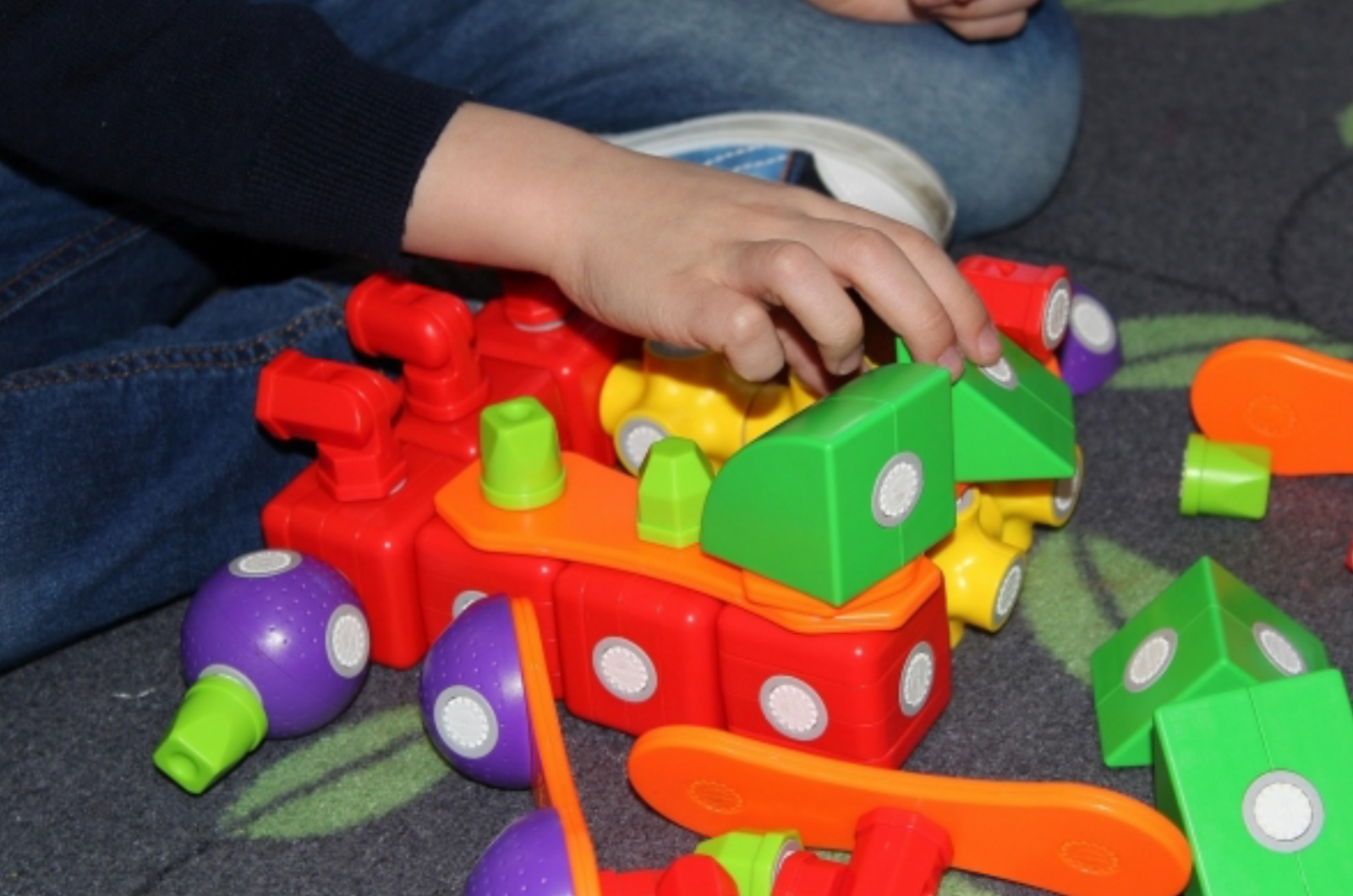
What is the issue?
Childhood exposure to chemicals used in plastics poses long-term health risks that can extend into adulthood. Moreover, experts highlight the urgent need to reduce unnecessary plastic use through both personal choices and global policies.
문제는 무엇인가?
어린 시절 플라스틱에 포함된 화학물질에 노출되면 성인기까지 이어지는 장기적인 건강 위험을 초래할 수 있다. 전문가들은 개인적 실천과 전 세계적 정책을 통해 불필요한 플라스틱 사용을 줄이는 것이 시급하다고 강조한다.
What problems do plastics trigger?
- Hormone disruption: Plastics interfere with normal hormonal functions.
- Chronic inflammation: Plastics trigger overactive immune responses in body tissues.
- Brain development issues: Exposure to Plastic causes IQ loss, autism, ADHD.
- Long-term diseases: Plastic exposure is associated with heart disease, obesity, infertility, and asthma.
플라스틱이 유발하는 문제는 무엇인가?
- 호르몬 교란: 정상적인 호르몬 기능을 방해함.
- 만성 염증: 면역 반응을 과도하게 활성화시켜 조직에 손상을 줌.
- 뇌 발달 문제: IQ 저하, 자폐증, ADHD와 연관됨.
- 만성 질환: 심장병, 비만, 불임, 천식과 관련 있음.
Which chemicals are most concerning?
- Phthalates (which make plastic flexible)
- Bisphenols (which provides rigidity)
- PFAS (perfluoroalkyl substances) (which makes materials heat- and water-resistant.
- These substances are added to everyday items such as food packaging, cosmetics, and even paper receipts.
특히 우려되는 화학물질은 무엇인가?
- 프탈레이트(Phthalates) → 플라스틱을 유연하게 만듦.
- 비스페놀(Bisphenols) → 플라스틱을 단단하게 함.
- PFAS(과불화화합물) → 열과 물에 잘 견디도록 만듦.
- 이 물질들은 식품 포장재, 화장품, 심지어 영수증 같은 일상 용품에 널리 쓰인다.
How do people get exposed?
- When plastics are used, heated, or chemically treated, they release microplastics and nanoparticles.
- These particles can be ingested, inhaled, or absorbed through skin, leading to accumulation in the body.
사람들은 어떻게 노출되는가?
- 플라스틱이 사용·가열·화학 처리되는 과정에서 미세플라스틱과 나노입자가 방출된다.
- 이 입자들은 섭취·흡입·피부 흡수를 통해 체내에 축적될 수 있다.
What are the health consequences?
- Early-life exposure has been tied to:
- Reduced IQ and neurodevelopmental disorders.
- Higher risk of obesity and metabolic problems.
- Cardiovascular disease and asthma later in life.
- Reproductive issues, including infertility.
건강에 어떤 결과를 초래하는가?
- 어린 시절 노출은 다음과 연결된다:
- IQ 저하와 신경발달 장애.
- 비만 및 대사 질환 위험 증가.
- 심혈관 질환과 천식.
- 생식 문제, 불임 포함.
What solutions exist at the personal level?
- Use glass or stainless steel containers instead of plastic.
- Avoid microwaving or dishwashing plastic containers.
- Parents can limit children’s exposure with simple, low-cost lifestyle changes.
- Healthcare providers can guide families toward safer alternatives and raise awareness in schools and communities.
개인 차원에서 가능한 해결책은 무엇인가?
- 플라스틱 대신 유리나 스테인리스 용기 사용.
- 플라스틱 용기를 전자레인지나 식기세척기에 사용하지 않기.
- 부모는 저비용·간단한 생활습관 변화로 아이들의 노출을 줄일 수 있음.
- 의료진은 안전한 대안을 안내하고, 학교·지역사회와 협력해 위험성을 알릴 수 있음.
What needs to happen at the policy level?
- Stricter regulations to reduce non-essential plastic use, especially in vulnerable communities.
- Support for the UN Global Plastics Treaty, which aims to cap plastic production worldwide.
- Address the hidden healthcare costs of plastic exposure (estimated at $250 billion per year in the US).
정책 차원에서 필요한 것은 무엇인가?
- 불필요한 플라스틱 사용을 줄이기 위한 강력한 규제, 특히 취약 계층을 대상으로 한 정책 필요.
- 전 세계적으로 플라스틱 생산량을 제한하려는 UN 글로벌 플라스틱 협약 지지.
- 미국에서만 연간 약 2,500억 달러로 추산되는 막대한 보건 비용 문제 해결.
Wrap up
After reading this article, I was struck by how something as common as plastic can have such profound, long-term effects on our health. It was intriguing to realize that everyday items like food packaging and cosmetics can expose us to harmful chemicals from an early age. What impressed me most was the emphasis on both personal choices and global policies—reminding us that while individuals can take simple steps to protect themselves, real change requires collective action.
마무리
이 글을 읽고 나서, 일상에서 흔히 접하는 플라스틱이 건강에 이렇게 장기적인 영향을 줄 수 있다는 사실이 정말 인상 깊었다. 특히 식품 포장재나 화장품처럼 매일 사용하는 물건들이 어린 시절부터 해로운 화학물질에 노출시킬 수 있다는 점이 흥미로웠다. 가장 인상적이었던 부분은 개인의 선택과 더불어 전 세계적인 정책의 중요성을 강조한 점이었다. 이는 개인이 스스로를 보호하기 위해 작은 노력을 할 수 있지만, 진정한 변화는 집단적인 행동을 통해서만 가능하다는 점을 다시금 일깨워 주었다.



의견을 남겨주세요