
Hello, ladies and gentlemen. I'm the "Environmental Bank" with all the worldwide environmental issues. Today, we’ll take a closer look at the topic "Strawberry Guava Prevents Natural Forest Generation in Madagascar".
안녕하세요. 환경 관련 이슈들을 모두 보유하고 있는 "환경뱅크"입니다. 오늘은 "딸기 구아바는 마다가스카르에서 자연림 형성을 방해한다"에 대한 주제에 대해서 자세히 알아봅시다.
What is the issue?
The issue is that strawberry guava, an invasive plant species, is preventing natural forest regeneration in Madagascar’s Ranomafana National Park. Even decades after deforestation has stopped, areas invaded by this plant remain stuck in an early stage of recovery, unable to return to a fully functioning rainforest ecosystem.
This discovery challenges the assumption that forests naturally heal over time once human disturbance ends.
무엇이 문제인가?
문제는 침입종 식물인 ‘스트로베리 구아바’가 마다가스카르 라노마파나 국립공원에서 자연적인 산림 회복을 막고 있다는 점이다.벌목이 중단된 지 수십 년이 지났음에도, 구아바가 퍼진 지역의 숲은 여전히 초기 회복 단계에 머물러 있으며, 정상적으로 기능하는 열대우림으로 되돌아가지 못하고 있다.
이 연구는 “인간의 교란이 멈추면 숲은 시간이 지나며 자연스럽게 회복된다”는 기존의 통념에 의문을 던진다.
Why is this a problem?
This is a problem because tropical rainforests depend on complex ecological cycles to regenerate. Normally, after disturbance, forests gradually rebuild through seedling growth, soil recovery, and biodiversity restoration.
However, when strawberry guava becomes established,
- Native tree species cannot mature beyond the seedling stage
- Soil nutrients decline
- Insect diversity decreases
- Forest structure becomes altered
Instead of recovery, the ecosystem becomes locked in a stalled state.
왜 이것이 문제인가?
열대우림은 매우 복잡한 생태 순환 과정을 통해 재생된다.보통 숲이 훼손된 뒤에는 묘목이 자라고, 토양이 회복되며, 생물다양성이 서서히 복원되면서 숲이 다시 형성된다.
하지만 스트로베리 구아바가 자리 잡으면 상황이 달라진다.
- 토착 수종이 묘목 단계 이상으로 성장하지 못하고
- 토양 내 영양분이 감소하며
- 곤충 종 다양성이 줄어들고
- 숲의 구조 자체가 변형된다
즉, 회복이 진행되는 것이 아니라 생태계 전체가 “정지된 상태”에 갇히게 된다.
Where is this happening?
This is occurring in Ranomafana National Park, a UNESCO World Heritage rainforest in Madagascar.
The park is globally important for its biodiversity and is home to many endemic species, including endangered lemurs. Although deforestation slowed after the park was established in 1991, ecological recovery has not fully resumed in areas invaded by guava.
어디에서 벌어지고 있는 일인가?
이 현상은 마다가스카르의 유네스코 세계자연유산인 라노마파나 국립공원에서 관찰되었다.
이곳은 전 세계적으로 중요한 생물다양성의 보고이며, 멸종위기종인 여우원숭이를 포함한 수많은 고유종의 서식지다.1991년 국립공원 지정 이후 벌목은 감소했지만, 구아바가 침입한 지역에서는 생태계 회복이 제대로 이루어지지 않고 있다.
What exactly is strawberry guava?
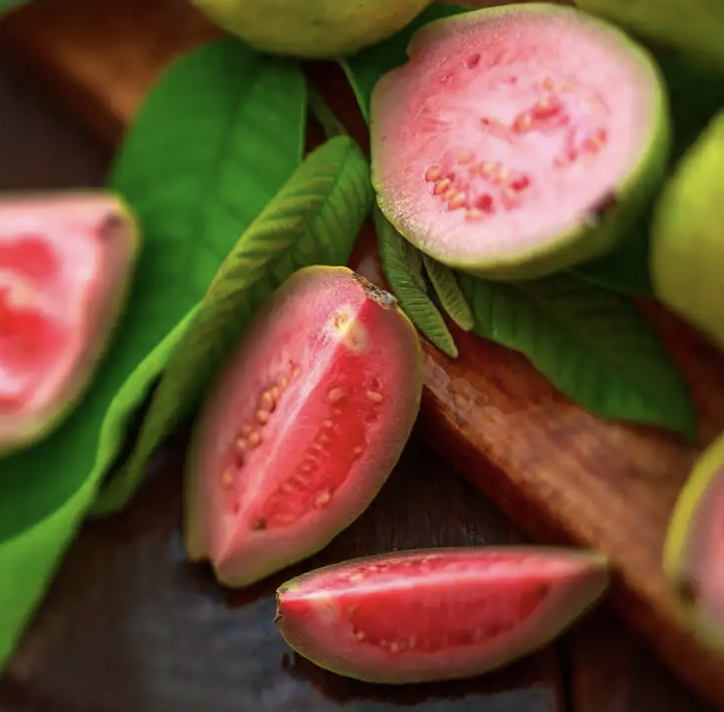
Strawberry guava (Psidium cattleianum) is a plant native to Brazil that was introduced to Madagascar in the 1800s during the colonial era.
It became popular because
- Its woody stems are useful for construction
- Its fruit is edible and sweet
- It grows quickly in disturbed areas
Ironically, the same traits that make it useful and appealing also make it ecologically dangerous. It thrives in canopy gaps and spreads aggressively once established.
스트로베리 구아바는 어떤 식물인가?
스트로베리 구아바(Psidium cattleianum)는 브라질 원산 식물로, 1800년대 식민지 시기에 마다가스카르로 유입되었다.
이 식물이 널리 퍼진 이유는 다음과 같다.
- 줄기가 단단해 건축 자재로 활용 가능하고
- 열매가 달고 먹을 수 있으며
- 훼손된 지역에서 빠르게 자라기 때문이다
하지만 아이러니하게도, 이 식물을 유용하게 만드는 특성들이 바로 생태적으로는 위험 요소가 된다.숲의 상층부가 훼손된 틈(캐노피 갭)에서 빠르게 번성하며, 일단 자리 잡으면 공격적으로 확산된다.
How does it prevent forest regeneration?
The research team, led by scientists at Rice University, compared guava-invaded plots with nearby native rainforest plots. They found ecosystem-wide impacts.
Key findings include:
- Soil degradation: Lower carbon, nitrogen, ammonia, and organic matter
- Insect imbalance: Fewer insect species overall, with dominance by decomposers
- Understory density increase: Guava thickets increased understory vegetation density more than threefold
Most strikingly, native tree seedlings do sprout in guava areas. But they remain trapped at the seedling stage and never mature into trees.
The forest is not dead; it is frozen.
어떻게 숲의 재생을 막는가?
라이스대학교 연구진은 구아바가 침입한 구역과 그렇지 않은 인접 구역을 비교했다. 그 결과, 생태계 전반에 걸친 변화가 확인되었다.
주요 결과는 다음과 같다.
- 토양 악화: 탄소, 질소, 암모니아, 유기물 함량 감소
- 곤충 불균형: 전체 종 수 감소, 일부 분해자 종의 우세
- 하층 식생 과밀화: 구아바 군락지의 하층 식생 밀도가 3배 이상 증가
특히 주목할 점은, 토착 수종의 묘목 자체는 발아한다는 것이다.하지만 그 이후 단계로 성장하지 못하고, 묘목 상태에 머물러 버린다.
이 숲은 죽은 것이 아니라, ‘얼어붙어 있는’ 상태다.
Why is this situation complicated?
This issue becomes especially complex because strawberry guava is a major food source for lemurs.
Lemurs, iconic and endangered animals of Madagascar, frequently eat the fruit. As a result,
- Guava patches attract higher densities of lemurs
- Some conservationists hesitate to remove the plant
- Local communities benefit from its wood and fruit
This creates a conservation paradox, as the same species feeding endangered animals is simultaneously degrading their long-term habitat.
왜 이 상황은 더 복잡한가?
문제를 더욱 어렵게 만드는 요소는, 스트로베리 구아바가 여우원숭이의 주요 먹이원이라는 점이다.
마다가스카르의 상징이자 멸종위기종인 여우원숭이들은 이 열매를 자주 먹는다. 그 결과,
- 구아바 군락지에는 여우원숭이 개체 수가 더 많이 모이고
- 일부 보전 활동가들은 제거를 주저하며
- 지역 주민들도 목재와 열매의 혜택을 누린다
결국 멸종위기 동물을 먹여 살리는 종이, 동시에 그 동물의 장기적 서식지를 파괴하는 모순적인 상황이 발생한다.
What does this mean for conservation?
This study highlights a critical lesson: ecosystems do not always recover naturally once human disturbance stops.
Strawberry guava
- Is difficult to eradicate
- Provides short-term benefits
- Causes long-term ecosystem disruption
Without active intervention, invaded forests may remain locked in a degraded state indefinitely.
Conservation is not always about protecting what animals eat; it is about protecting the ecological systems that allow entire forests to function and regenerate.
이것이 보전에 주는 의미는 무엇인가?
이 연구는 중요한 교훈을 제시한다.인간의 교란이 멈춘다고 해서 생태계가 항상 자연적으로 회복되는 것은 아니다.
스트로베리 구아바는
- 제거가 매우 어렵고
- 단기적 이익을 제공하지만
- 장기적으로는 생태계 기능을 붕괴시킨다
적극적인 개입이 없다면, 침입된 숲은 장기간 저하된 상태에 머무를 가능성이 크다.
보전은 단순히 동물이 먹는 것을 지키는 일이 아니다.숲 전체가 스스로 기능하고 재생할 수 있도록 만드는 생태적 시스템 자체를 지키는 일이다.
Wrap-up
Reading this article made me realize how complicated environmental conservation really is. I used to think that once deforestation stopped, forests would naturally recover over time. But this study shows that ecosystems can get stuck, especially when invasive species like strawberry guava interfere with the regeneration process. What surprised me most was the paradox: the same plant that feeds endangered lemurs is also preventing their habitat from fully recovering. It made me understand that conservation isn’t just about protecting individual species, but about maintaining the balance of entire ecological systems. Overall, this article challenged my assumptions and reminded me that environmental issues are rarely simple or one-sided.
마무리
이 기사를 읽으면서 환경 보전이 생각보다 훨씬 복잡한 문제라는 걸 깨닫게 되었다. 나는 그동안 벌목만 멈추면 숲은 시간이 지나면서 자연스럽게 회복될 것이라고 생각해왔었다. 하지만 이번 연구는 스트로베리 구아바 같은 침입종이 재생 과정을 방해할 경우, 생태계가 회복되지 못한 채 멈춰버릴 수 있다는 사실을 보여준다. 특히 인상 깊었던 점은 멸종위기종인 여우원숭이의 먹이가 되는 식물이 동시에 그들의 서식지 회복을 막고 있다는 모순이었다. 이를 통해 보전이 단순히 특정 종을 보호하는 일이 아니라, 생태계 전체의 균형을 유지하는 일이라는 점을 이해하게 되었다. 전반적으로 이 기사는 내가 가지고 있던 기존의 생각을 다시 돌아보게 했고, 환경 문제는 결코 단순하거나 한쪽 면만으로 판단할 수 없다는 사실을 다시 일깨워주었다.



의견을 남겨주세요