
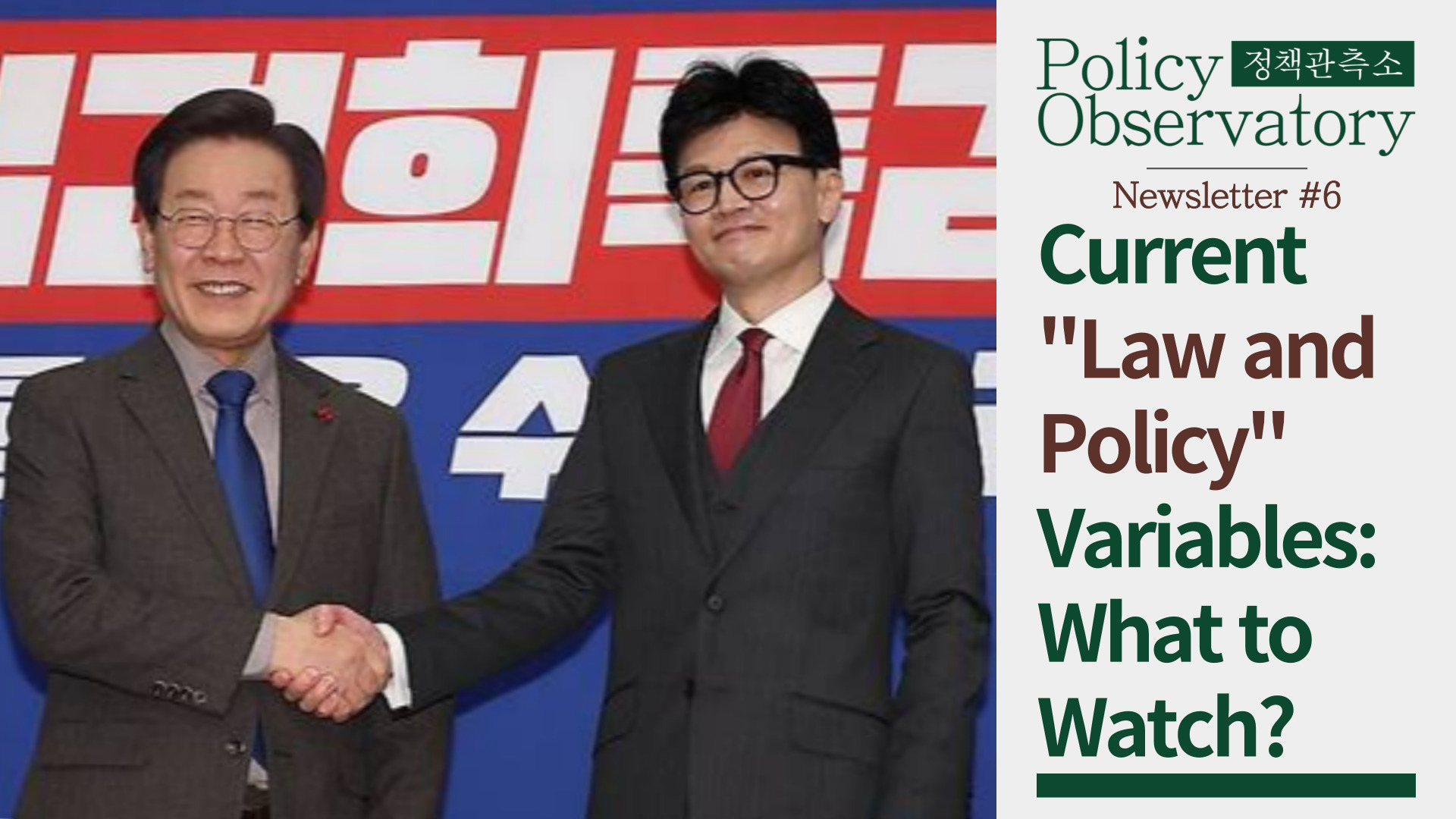
As President Yoon Suk-yeol exercises his 19th veto, demonstrating his characteristic "consistency," we explore what the future holds for "law and policy" and where to focus to predict the direction of state affairs.
목차
1. The Ongoing Use of Presidential Vetoes in the Yoon Administration
2. The Only Legal Variable: Bipartisan Agreement
3. Focus on the Statements of Both Parties' Policy Committees
4. Is the "Nursing Act" Really Non-Contentious?
5. Is the People Power Party’s High-Level Consultative Meeting on Hiatus?
6. Conclusion
1. The Ongoing Use of Presidential Vetoes in the Yoon Administration
On the 12th, President Yoon Suk-yeol exercised his veto power over the Broadcasting Act. This marks his 19th veto since taking office, with more vetoes expected soon on the 250,000 KRW Act and the Yellow Envelope Act (following Prime Minister Han Duck-soo's recommendation on the 13th). While this situation is disappointing for citizens hoping for bipartisan cooperation, it also highlights the consistency of the Yoon administration.
2. The Only Legal Variable: Bipartisan Agreement
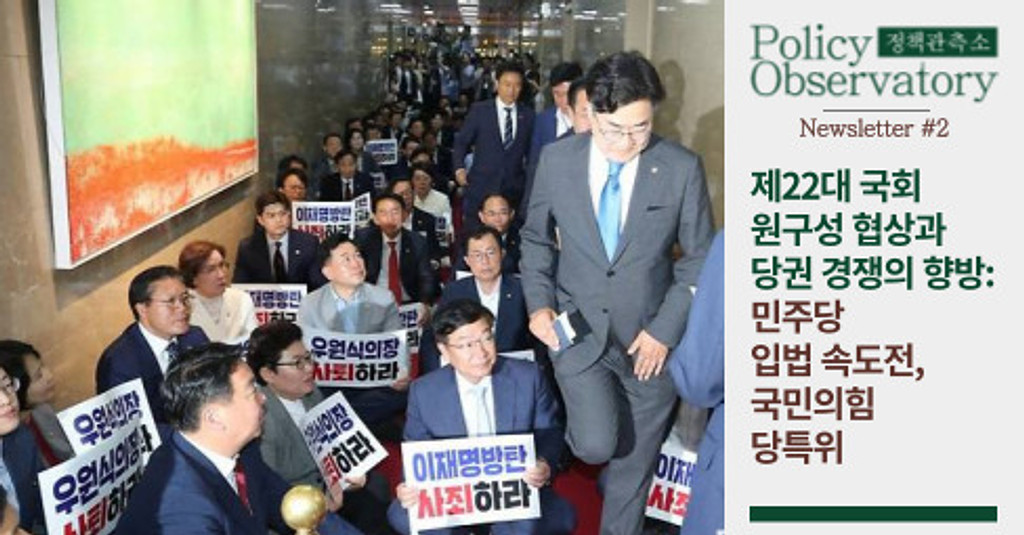
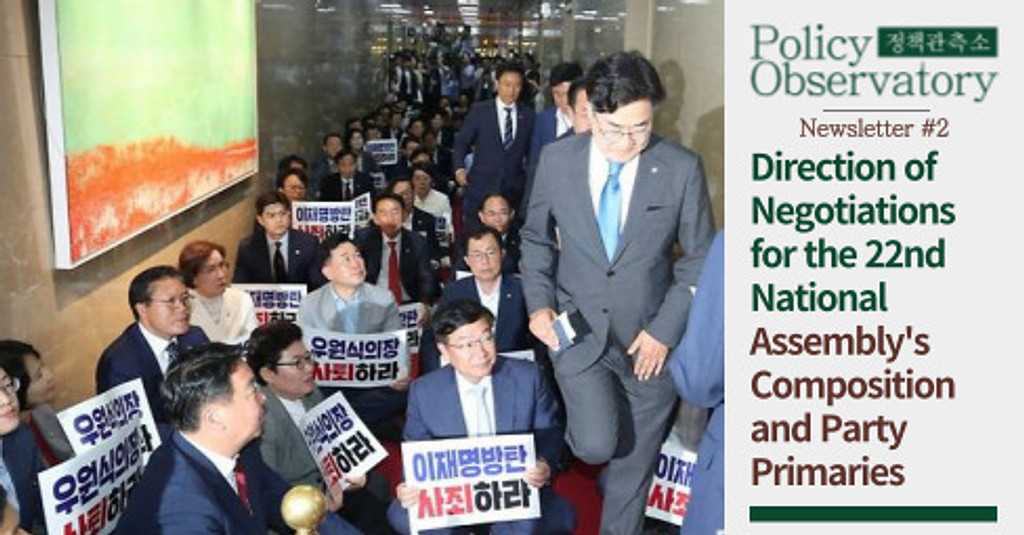
As predicted by the Policy Observatory, the opposition party holds a majority in the National Assembly but is blocked by the presidential veto. The proposed solution is the "Ruling and Opposition Parties' Civil Affairs Consultative Body," which aims to revive the National Assembly's functionality despite the deadlock caused by vetoes. However, the key to success lies with the ruling party, the People Power Party. With political tensions rising over the historical views of the Independence Hall's director, it remains to be seen how much the opposition can escalate the rhetoric, how much the ruling party will concede, and whether this consultative body will materialize.
3. Focus on the Statements of Both Parties' Policy Committees
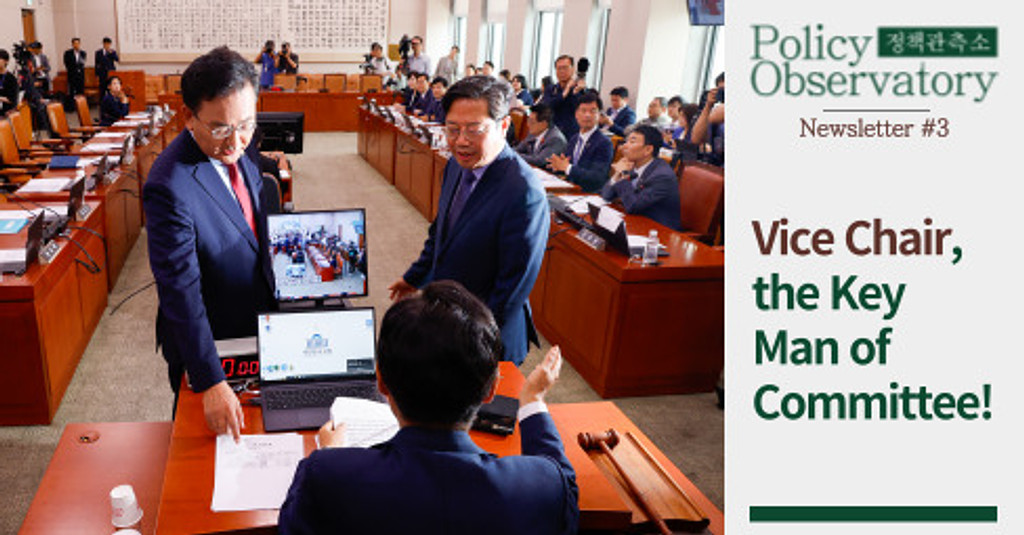
On the 13th, Kang Yoo-jung of the Democratic Party conducted a briefing as part of the party's policy coordination meeting. During this, she mentioned that three non-contentious bills—The Nursing Act, the Goo Hara Act (Civil Code Amendment), and the Support for Victims of Jeonse Fraud Act—could be brought to the plenary session for passage. If both parties reach an agreement, these bills could quickly pass the National Assembly and bypass the presidential veto. Therefore, it is crucial to watch which bills are declared "non-contentious" by the policy committees of both parties.
4. Is the "Nursing Act" Really Non-Contentious?
However, the Nursing Act, one of the three bills deemed non-contentious, presents a different story. It is currently under review in the Health and Welfare Committee, and the minutes show significant differences in opinion even over the bill's title. The reason for the dramatic push for this bill's passage is the medical field's dependence on Physician Assistants (PAs) during the specialist strike over medical school quota increases. The government's urgency to address this issue has accelerated the bill's progress. However, the opposition and the Nursing Association seek broader protections beyond just PA duties, making the future of this bill's review and the potential challenges in the Legislation and Judiciary Committee something to watch closely.
5. Is the People Power Party’s High-Level Consultative Meeting on Hiatus?
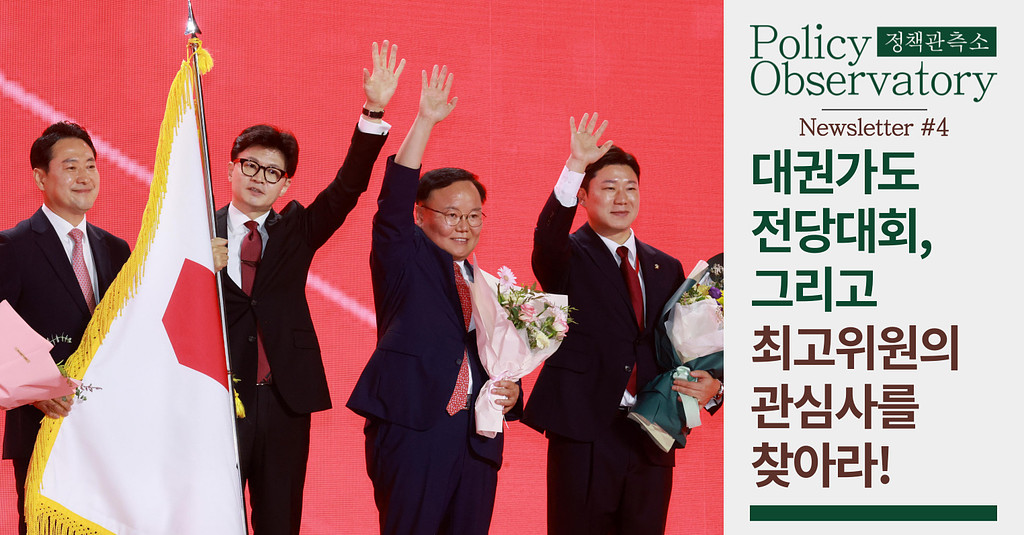
The People Power Party has a regular high-level consultative meeting scheduled once a week. However, since Han Dong-hoon became party leader, this meeting has not taken place for three weeks. Although a meeting was held on August 6th to address the "Timon-Wemakeprice incident," some are complaining that these meetings only occur in response to specific issues. Nevertheless, this "party-government meeting" is undoubtedly a rare variable that can help predict government policies. The relationship between the pro-Yoon faction and Han Dong-hoon's leadership is uncertain, and it remains to be seen whether they will collaborate closely or if this will mark the beginning of new conflicts.
6. Conclusion
The People Power Party may have completed its convention, but stabilization seems to take time, while the Democratic Party's convention, which should have been a celebratory event, is marred by resignation demands and criticism. Moreover, political tensions continue to rise over the historical views of the government-appointed director of the Independence Hall. In this torrent of political news, identifying which statements and information truly impact law and policy is crucial for effective response. The Policy Observatory will continue to work diligently to support your efforts in staying informed and responsive.



의견을 남겨주세요