
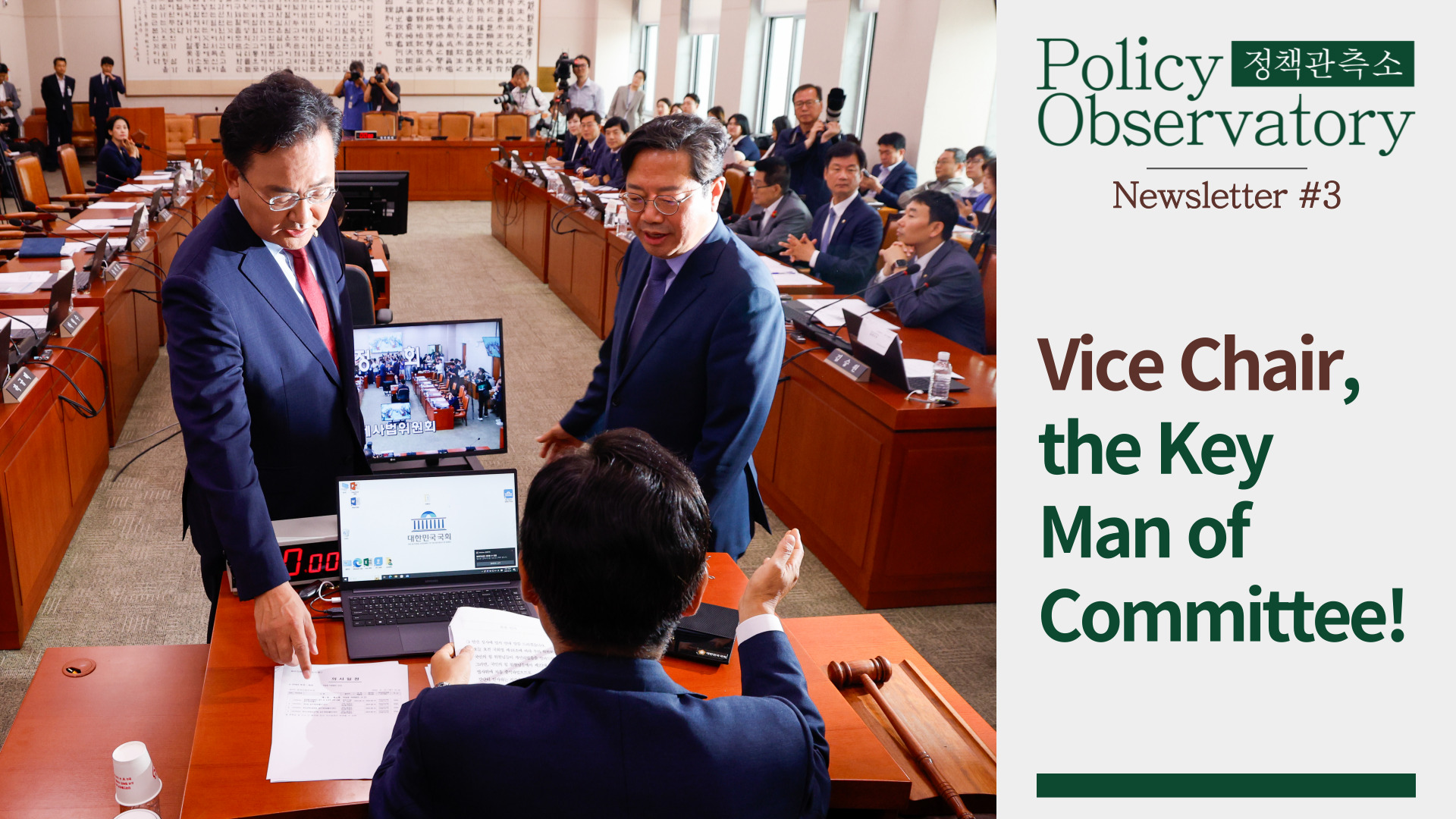
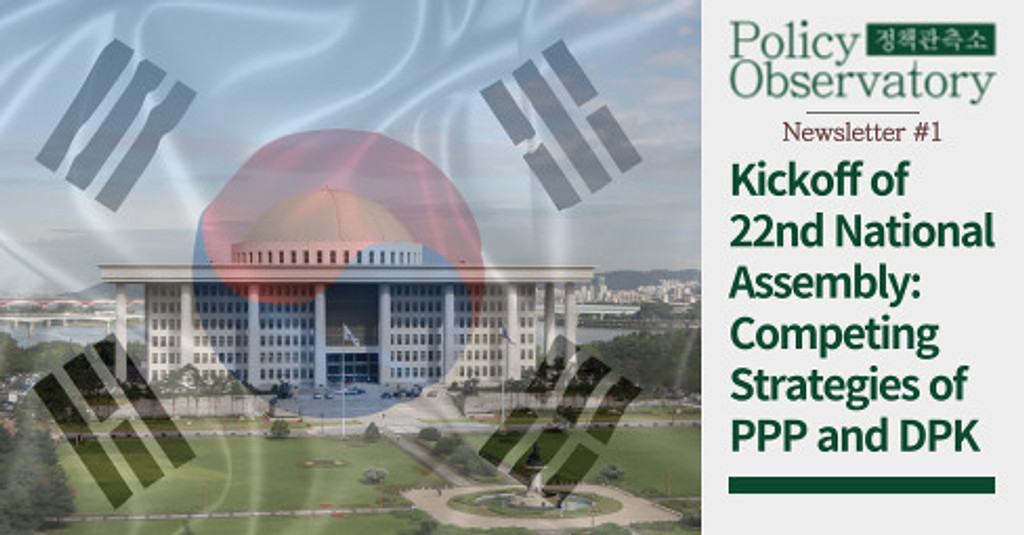
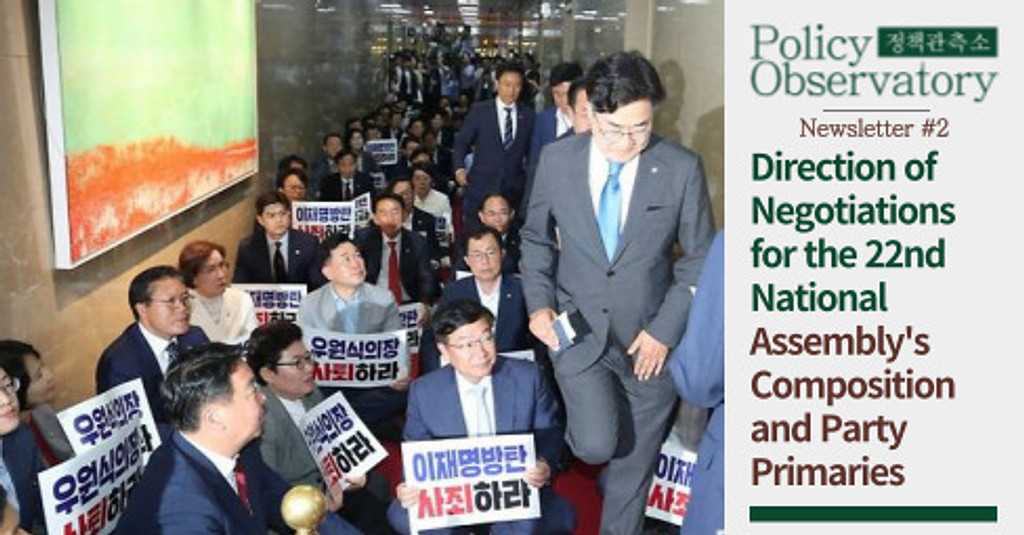
After a series of twists and turns, the formation of the 22nd National Assembly for the first half of the year has been completed. In fact, this marks the beginning. This is due to the ongoing appointment of the 'vice chairs', the key figures in each standing committee. Simultaneously, DPK is exerting pressure on the government and ruling party with its strategy of 'legislative hearing'. In this turbulent parliament, we'll delve into the critical issues that cannot be overlooked.
Contents
1. Completion of Assembly in Just 28 Days
2. Sequence of Vice Chair Appointments by Standing Committee
3. Peculiarities of the Legislation and Judiciary Committee
4. Democratic Party's Push for 'Legislative Questioning'
5. Petition for Impeachment of President Yoon Seok-yeol Crosses One Million
6. Conclusion
1. Completion of Assembly in Just 28 Days
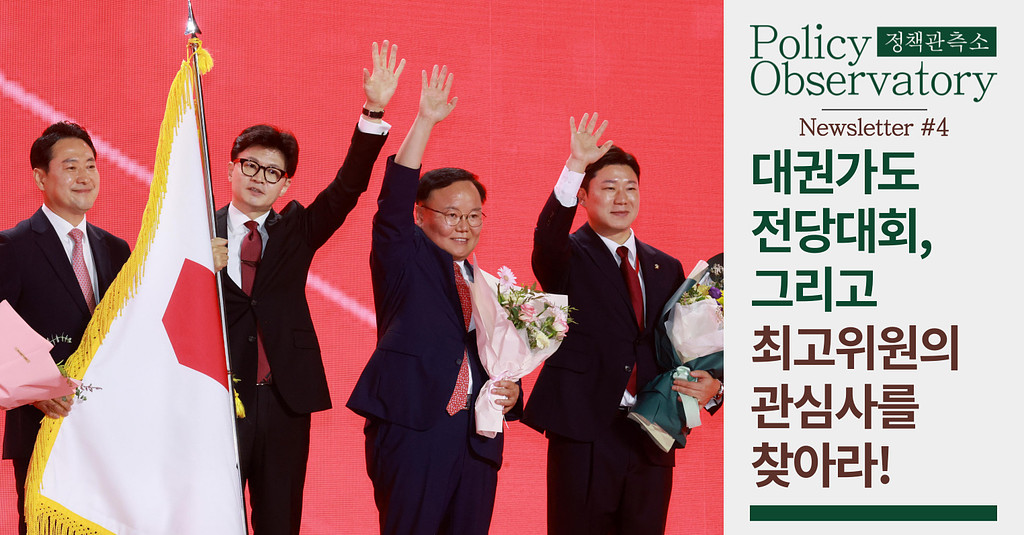
The 22nd National Assembly, opened on May 30th, completed its formation on June 27th, a mere 28 days later. Despite deepening conflicts between the ruling and opposition parties, a dramatic agreement was reached alongside the decisive performance of Choo Gyeong-ho, the floor leader of PPP, who relinquished his position.
2. Sequence of Vice Chair Appointments by Standing Committee
With the election of each committee chairperson, both parties will now appoint vice chairs for each standing committee. Vice chairs are usually entrusted to re-elected members and wield significant authority in the actual operation of the standing committees. Their main authorities include leading consensus on key decisions such as the agenda, witnesses, and the scrutiny of bills and budgets as chairpersons of subcommittees responsible for deliberating legislation and budgets. Therefore, understanding the inclinations, basic positions, and attitudes of the vice chairs is crucial in following the current issues of each standing committee.
As of July 2nd, vice chairs from both parties have been appointed to the Environment and Labor Committee (Kim Hyeong-dong of PPP, Kim Ju-young of DPK), the Science, ICT, Broadcasting and Communications Committee (Choi Hyeong-doo of PPP, Kim Hyun of DPK), the Education Committee (Jo Jeong-hoon of PPP, Moon Jeong-bok of DPK), the Public Administration and Security Committee (Jo Eun-hee of PPP, Yoon Gun-young of DPK), the Health and Welfare Committee (Kim Mi-ae of PPP, Kang Seon-woo of DPK), the Strategy and Finance Committee (Park Soo-young of PPP, Jeong Tae-ho of DPK), and the House Steering Committee (Bae Joon-young of PPP, Park Sung-jun of DPK). It appears that vice chairs designated for other standing committees will be sequentially appointed internally.
3. Peculiarities of the Legislation and Judiciary Committee
Traditionally, both parties divided the positions of subcommittee chairpersons within each standing committee around the vice chairs once the vice chairs were determined. However, the Legislation and Judiciary Committee, currently chaired by DPK member Jeong Cheong-rae, has appointed DPK members as chairpersons for all four subcommittees within the standing committee.
The Legislation and Judiciary Committee holds powerful authority to conduct a technical review called 'systematic and substantive review' on bills that have passed each standing committee, before they are scrutinized again in the plenary session. Thus, while the monopolization of subcommittee chairpersons by DPK members may facilitate the ruling party's 'forceful enactment of bills', it also carries the potential to provoke political strife by breaking traditional practices.
4. Democratic Party's Push for 'Legislative Questioning'
The Democratic Party proceeded to hold standing committee meetings unilaterally amid boycotts from the People Power Party, advancing tasks such as work reports and current issue reports. However, in response to the ruling party's boycott of the standing committees, the Yun Seok-yeol government laid a counter strategy by having key government officials refrain from attending standing committee sessions.
Nevertheless, DPK found a loophole: initiating a 'legislative hearing' which, under parliamentary law, allows for the exercise of authority over attendance and statements of witnesses. Through this, they aim to increase pressure on the government and ruling party on major current issues. Particularly, significant attention was drawn to the 'Special Counsel Law Legislative Questioning' held on June 21st in the Legislation and Judiciary Committee by the public and media.
5. Petition for Impeachment of President Yoon Seok-yeol Crosses One Million
Meanwhile, criticism against President Yoon Seok-yeol's administration has led to over one million signatories supporting an impeachment motion, demanding its immediate introduction in the National Assembly. Once this citizen petition is received, it will be referred to the Petitions Examination Subcommittee of the Legislation and Judiciary Committee. Kim Yong-min, a hardliner within the Democratic Party, heads this subcommittee, raising expectations for the outcome.
6. Conclusion
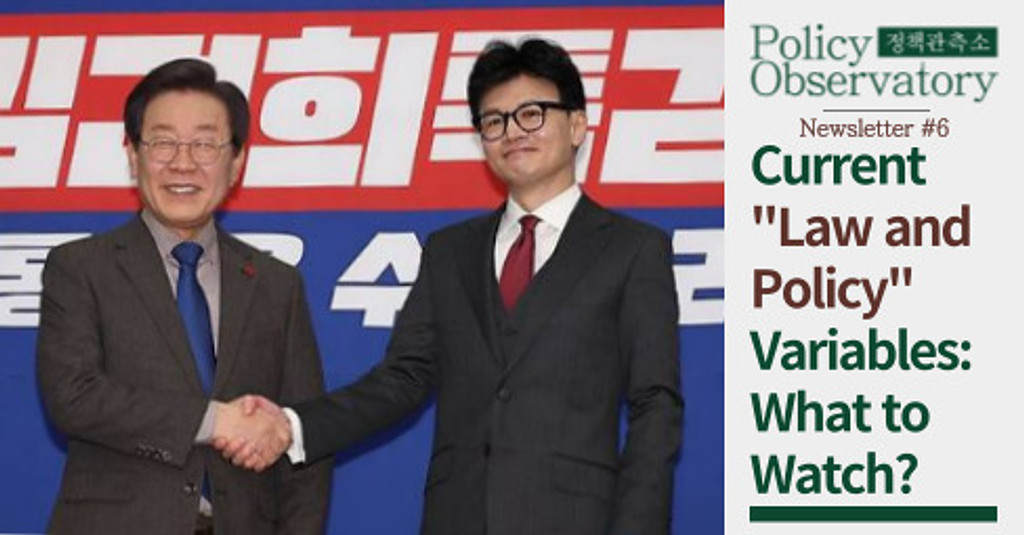
Temporary consensus on the assembly's formation is overshadowed by escalating disputes between the ruling and opposition parties, centered around the risks facing the Yongsan Presidential Office. Furthermore, schedules for standing committee work reports have been set from mid-July onward. It is now crucial to watch how each standing committee's major issues will emerge as focal points, and how the vice chairs of both parties will position themselves on these issues.




의견을 남겨주세요